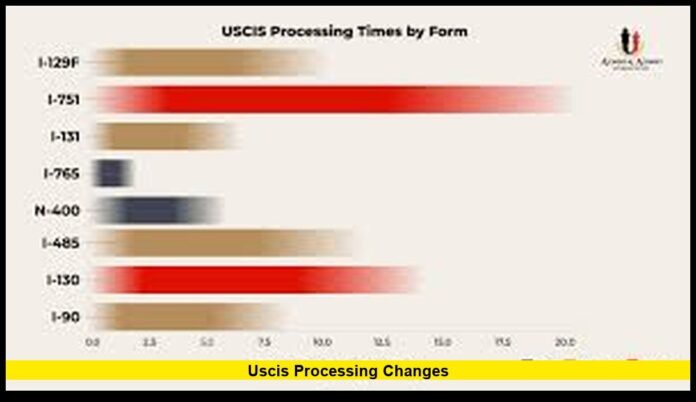

The latest USCIS processing changes are drawing significant attention from immigrants, employers, attorneys, and families across the United States as the federal immigration system continues to implement updated review procedures, filing requirements, and operational adjustments in 2026. From green card applications and citizenship requests to work permits and family-sponsored petitions, many applicants are experiencing noticeable differences in how cases move through the system.
Immigration remains one of the most closely watched policy areas in the country, affecting millions of individuals who depend on timely decisions to work, study, reunite with family members, or establish permanent residency. As application volumes remain high and government agencies continue refining procedures, applicants are increasingly monitoring processing timelines and policy updates that could influence their cases.
The immigration process has always required patience, but recent developments have introduced additional considerations for many applicants. Understanding these changes can help individuals prepare for the current environment and avoid common mistakes that may lead to delays.
If you are waiting for a decision on a pending application or planning to file in the near future, staying informed about these developments may help you better navigate an evolving immigration landscape.
Immigration System Continues to Face Heavy Demand
The U.S. immigration system remains under pressure from large application volumes across multiple benefit categories. Every year, millions of forms are submitted for employment authorization, adjustment of status, citizenship, family reunification, temporary immigration benefits, and humanitarian programs.
While government agencies have taken steps to improve efficiency and reduce older case inventories, incoming filings continue to create substantial workloads. As a result, processing timelines can vary significantly depending on the type of application, eligibility category, service center assignment, and local office conditions.
Applicants often compare their cases with others online, but immigration experts consistently note that no two applications are identical. Even applicants filing the same form may experience different timelines due to case-specific factors.
For many families and workers, understanding that processing times fluctuate throughout the year remains an important part of setting realistic expectations.
Increased Screening Measures Affect Case Reviews
One of the most important developments affecting applicants involves enhanced review procedures designed to verify eligibility and identity.
Government agencies continue to conduct extensive background checks, security screenings, and identity verification processes before issuing many immigration benefits. These reviews have become an increasingly visible component of immigration processing during 2026.
Biometric information remains a critical part of this process. Applicants may be required to provide fingerprints, photographs, and signatures that are used during security reviews.
These screening procedures apply to a wide range of immigration benefits, including:
- Green card applications
- Naturalization requests
- Family-based petitions
- Employment-related immigration benefits
- Humanitarian immigration programs
- Work authorization requests
Additional review requirements can extend timelines in certain cases, particularly when officers must conduct further examination before making a final decision.
Although applicants often focus on published processing estimates, background reviews frequently represent a significant factor in determining how quickly a case progresses.
Green Card Applicants Face Greater Documentation Expectations
Permanent residency remains one of the most sought-after immigration benefits in the United States.
Whether applying through employment, family sponsorship, or other eligible pathways, green card applicants are finding that detailed documentation is increasingly important.
Officers continue to evaluate applications based on eligibility requirements established under immigration law. Supporting evidence must clearly demonstrate that applicants meet all relevant standards.
Incomplete documentation can lead to requests for additional evidence, which may increase overall processing times.
Applicants commonly submit documents relating to:
- Identity
- Family relationships
- Employment history
- Financial information
- Immigration history
- Eligibility qualifications
The accuracy and completeness of these materials often play a major role in how efficiently an application moves through the review process.
Immigration attorneys frequently encourage applicants to carefully review forms before submission to minimize avoidable delays.
Employment-Based Immigration Remains a Key Focus
The American economy continues to rely on highly skilled workers and professionals across numerous industries.
Technology companies, healthcare organizations, universities, engineering firms, manufacturers, and research institutions frequently utilize employment-based immigration pathways to recruit talent.
As demand for employment-based immigration remains strong, processing timelines continue to receive close attention from both employers and workers.
Several factors influence case movement, including:
- Application volume
- Visa availability
- Agency workload
- Requests for evidence
- Security reviews
- Case complexity
Some applicants experience relatively straightforward processing, while others encounter longer review periods depending on individual circumstances.
For businesses attempting to fill specialized positions, immigration timelines can directly impact workforce planning and recruitment strategies.
The importance of employment-based immigration ensures that processing developments remain closely monitored throughout the year.
Citizenship Applications Continue Across the Country
Naturalization remains a major milestone for lawful permanent residents seeking to become U.S. citizens.
Thousands of applicants attend citizenship interviews and oath ceremonies every month at field offices nationwide.
While many naturalization cases continue moving through the system efficiently, processing times can vary considerably based on local conditions.
Factors that may influence citizenship timelines include:
- Field office workload
- Interview scheduling availability
- Background reviews
- Application completeness
- Requests for supporting documentation
Applicants preparing for naturalization are encouraged to maintain organized records and carefully follow instructions throughout the process.
Citizenship continues to provide important benefits, including voting rights, expanded travel flexibility, and eligibility for certain federal opportunities.
As a result, naturalization remains one of the most popular immigration benefits processed each year.
Digital Transformation Continues to Expand
Technology remains a central part of immigration system modernization efforts.
Online filing and account management tools have become increasingly important for applicants seeking efficient communication and case tracking.
Digital systems now allow many applicants to:
- Submit forms electronically
- Receive case notifications
- Track application progress
- Upload supporting evidence
- Access account information
The shift toward digital processing has helped reduce reliance on paper-based systems in several areas.
Although not every immigration benefit is fully integrated into online platforms, modernization efforts continue to expand.
Applicants who utilize available digital tools often gain faster access to updates and important case information.
The move toward electronic processing reflects a broader effort to improve operational efficiency while reducing administrative burdens.
Family-Based Immigration Remains a Priority for Many Households
Family reunification continues to represent one of the most significant components of the U.S. immigration system.
American citizens and lawful permanent residents file petitions each year on behalf of spouses, children, parents, and other qualifying relatives.
Because family-based immigration affects millions of households, processing timelines remain a major concern.
Long waits can create emotional and financial challenges for families attempting to build lives together in the United States.
Many applicants carefully monitor case status updates while waiting for approvals, interviews, or visa availability.
Although processing speeds vary by category, family reunification remains a cornerstone of American immigration policy.
As demand continues, applicants are paying close attention to policy updates and operational developments that may affect their cases.
Understanding Current USCIS Processing Changes
The current USCIS processing changes reflect a combination of operational adjustments, workload management efforts, technology modernization, and enhanced review procedures.
Applicants should understand that published processing estimates are not guarantees.
Timelines may change due to:
- Staffing levels
- Filing surges
- Case complexity
- Security reviews
- Operational priorities
- Administrative requirements
As agencies continue adapting to changing conditions, applicants may see fluctuations in processing times throughout 2026.
Understanding these realities can help individuals plan more effectively while avoiding unrealistic expectations.
Immigration professionals frequently advise applicants to prepare for variability rather than relying on a single projected timeline.
Common Reasons Cases Experience Delays
While every case is unique, several issues frequently contribute to longer processing periods.
Missing information remains one of the most common causes of delays.
Errors on forms, incomplete documentation, and unanswered questions may require additional review or lead to requests for evidence.
Other factors include:
- Background check completion
- Identity verification procedures
- High filing volumes
- Interview scheduling limitations
- Additional eligibility review
- Administrative processing requirements
Applicants can reduce potential complications by carefully reviewing applications before submission and responding promptly to agency communications.
Maintaining accurate contact information is equally important, as missed notices can significantly affect case progress.
What Applicants Should Do in 2026
Immigration applicants can take several practical steps to improve their experience during the application process.
First, ensure every form is completed accurately and thoroughly.
Second, gather supporting evidence before filing whenever possible.
Third, monitor case updates regularly through official account systems.
Fourth, attend biometrics appointments and interviews as scheduled.
Fifth, respond quickly to requests for additional information.
These actions cannot guarantee faster processing, but they can help prevent unnecessary delays caused by applicant-related issues.
Preparation remains one of the most effective tools available to individuals navigating the immigration system.
Looking Ahead
Immigration policy and administration continue evolving as agencies balance security responsibilities, technological improvements, and growing application volumes.
The months ahead are expected to bring continued attention to case processing efficiency, eligibility verification, digital modernization, and operational performance.
For applicants pursuing citizenship, employment authorization, permanent residency, or family reunification, awareness of current developments remains essential.
As the immigration system adapts to changing demands, applicants who stay informed, maintain complete records, and follow filing requirements carefully will be better positioned to navigate the process successfully.
The immigration journey often involves patience and persistence, but understanding today’s environment can help applicants make more informed decisions while planning for the future.
Have you noticed changes in processing times or immigration procedures recently? Share your thoughts below and stay updated on the latest developments affecting applicants across the United States.