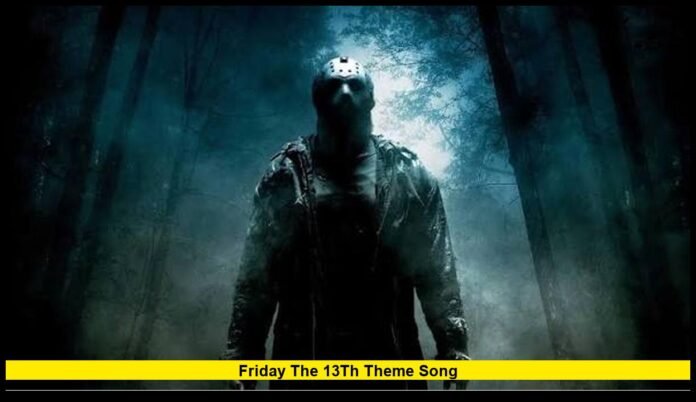

The Friday the 13th theme song remains one of the most recognizable elements of horror cinema, helping turn a low-budget slasher movie into a lasting part of American pop culture. Its unsettling whispers, sharp musical accents, and rising tension create an atmosphere that audiences can recognize almost immediately. Even when Jason Voorhees does not appear on screen, the franchise’s musical identity can bring back memories of dark forests, isolated cabins, and the frightening world surrounding Camp Crystal Lake.
The music associated with Friday the 13th does more than accompany frightening scenes. It helps establish suspense, prepares viewers for danger, and gives the series a sound that separates it from many other horror productions. Over time, the score became closely connected with the franchise’s identity, alongside its hockey mask, wooded setting, and reputation for sudden scares.
Composer Harry Manfredini played a central role in establishing that identity. His work on the original 1980 film introduced a distinctive vocal effect that became one of the series’ most famous musical signatures. Rather than relying only on loud orchestral stings, the score uses repetition, silence, and unsettling sounds to make viewers feel that something dangerous may be nearby.
The music’s lasting appeal also reflects the way horror audiences experience sound. A frightening image may disappear when a scene ends, but a familiar musical cue can remain in the listener’s memory for years. For fans of the franchise, the sound of Friday the 13th is not simply background music. It is part of the experience that makes the films instantly identifiable.
Who Created the Friday the 13th Theme Song?
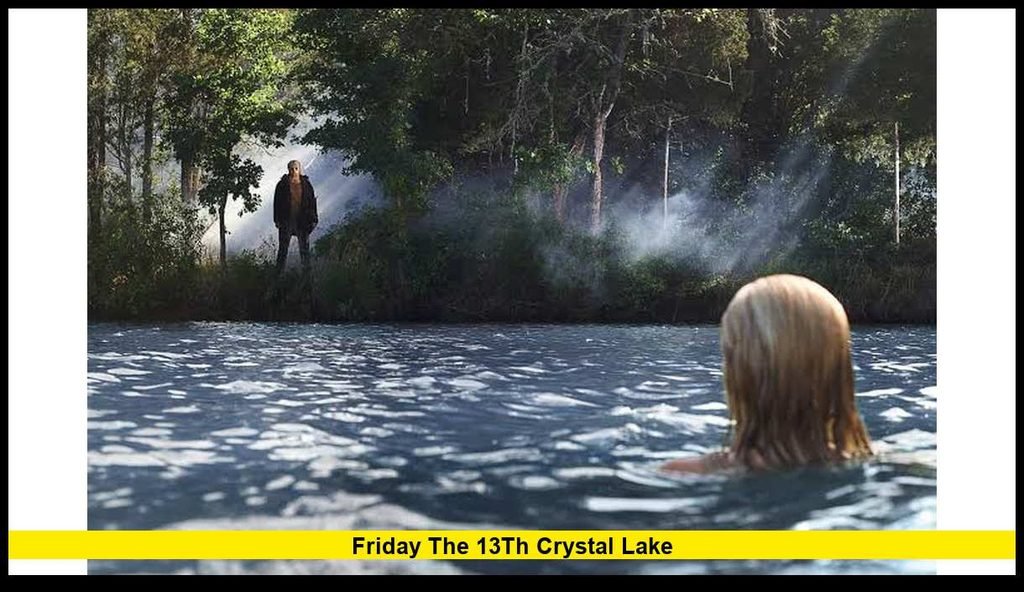
Harry Manfredini composed the music for the original Friday the 13th, released in 1980. His contribution helped establish the musical direction that later entries in the franchise would revisit, adapt, and develop.
The original movie follows a group of young counselors preparing to reopen a summer camp near Crystal Lake. As the characters begin to encounter danger, the score builds a sense of unease around the camp’s seemingly ordinary surroundings. Trees, cabins, nighttime paths, and empty spaces become more threatening when paired with Manfredini’s music.
The composer did not need a grand orchestral melody to establish the film’s identity. Instead, he created an unusual vocal sound that could appear briefly and still leave a powerful impression. The result became closely associated with the series and helped audiences recognize the franchise through sound alone.
Manfredini’s work demonstrates how a horror score can become memorable without following the conventions of a traditional film theme. Many famous movie themes feature a melody that audiences can hum. The central musical identity of Friday the 13th works differently. Its most recognizable element is a short, unsettling vocal effect that functions as a warning.
The effect became one of the defining features of the franchise’s sound, particularly as later films continued to draw on the musical style established by the first installment.
How the Famous “Ki-Ki-Ki, Ma-Ma-Ma” Sound Was Created
The sound most people associate with the Friday the 13th theme song is often described as “ki-ki-ki, ma-ma-ma.” Some viewers hear it differently, but its origin connects directly to the story of the original film.
Manfredini developed the sound from the words “kill” and “mommy,” reflecting the disturbing relationship between Pamela Voorhees and her son, Jason. In the original movie, Pamela is the killer, while Jason’s presence shapes the events that unfold at Camp Crystal Lake. The vocal effect connects the story’s violence to the psychological influence of Jason and his mother.
Manfredini recorded the sounds himself and processed them with an echo effect. The technique gave the syllables a strange, disembodied quality. They seem to come from somewhere close to the listener, yet their exact location remains unclear. That uncertainty makes the sound especially effective in a film where the killer often remains out of sight.
The result was a musical signature that did not require a complete melody or a lengthy musical passage. A few repeated syllables could signal that the danger was approaching. The cue became a warning to the audience, even when the characters on screen had no idea they were being watched.
The sound also shows how creative decisions can emerge from practical limitations. The original Friday the 13th had a modest production budget, so its music needed to make a strong impression without relying on a massive orchestra or elaborate recording sessions. Manfredini turned a simple vocal recording into one of horror cinema’s most recognizable effects.
Its apparent simplicity is part of its strength. The sound is short, repetitive, and unsettling. Once viewers learn to associate it with danger, they can recognize its meaning almost immediately.
Why the Music Signals an Unseen Threat
One of the most important choices in the original Friday the 13th was to use music to represent the killer’s point of view. The audience does not see the person responsible for the murders for much of the film, which creates a challenge for the filmmaker and composer: how can a movie communicate that someone is watching without revealing the watcher?
Manfredini’s answer was to connect the vocal cue with shots that represent the killer’s perspective. When the camera moves through the woods or observes a character from a hidden position, the music can suggest that the viewpoint belongs to the person stalking the camp.
This approach gives the score a narrative purpose. It does not merely tell viewers that a scene is frightening. It helps them interpret what they are seeing.
The technique also builds suspense by giving the audience information that the characters may not possess. A counselor might walk toward a cabin believing the area is safe, while the music suggests that an unseen presence is nearby. That difference between what the characters know and what the audience suspects creates tension.
The effect has similarities to a familiar principle in suspense cinema: an audience often feels more anxious when it senses danger before a character does. The music can make an ordinary movement across a room or through a wooded path feel threatening.
The cue’s connection to the killer’s perspective also helps explain why it became so closely associated with the franchise. It is not simply a general sound for frightening moments. It carries a particular story function rooted in the original film’s structure.
The Role of Silence, Repetition, and Sudden Musical Changes
The Friday the 13th theme song works because of more than its famous vocal sound. The wider score uses contrast to shape the audience’s emotional response. Quiet passages can make viewers listen more carefully, while abrupt musical changes can intensify the impact of a sudden attack or revelation.
Silence is particularly valuable in horror movies. When a soundtrack becomes quiet, audiences may begin to anticipate what will happen next. Small noises that would normally go unnoticed can suddenly feel important. A footstep, a creaking door, or movement in the trees can become a warning that something has changed.
Music can then enter at the moment when tension reaches its peak. The difference between a quiet passage and a forceful musical cue makes the change feel more dramatic.
Repetition is another important part of the franchise’s sound. When a musical idea returns in different scenes, it builds an association between the sound and the danger that follows. Viewers begin to recognize the cue before they consciously analyze it.
That recognition can create suspense on its own. Fans who know the films may react as soon as they hear the familiar sound because they understand what it usually signals. The music becomes a form of storytelling that works through memory and expectation.
The score also avoids making every scene sound equally frightening. If the music remained intense from beginning to end, the audience could become accustomed to it. Changes in volume, texture, and pacing give the soundtrack room to build tension gradually.
These methods are not exclusive to Friday the 13th, but Manfredini’s distinctive sound gives them a recognizable identity within the series.
How the Friday the 13th Score Differs From Other Horror Themes
Horror cinema has produced many memorable musical themes, but not all of them create fear in the same way. Some use a clearly defined melody, while others depend on dissonant notes, repetitive rhythms, unusual instruments, or sounds that are difficult to identify.
The music for Jaws, composed by John Williams, famously uses a repeating musical pattern to suggest the approach of a shark. The threat can remain unseen while the audience recognizes the musical warning. Manfredini pursued a related storytelling goal for Friday the 13th: the music needed to communicate the presence of a hidden killer.
However, the Friday the 13th sound has its own character. Its vocal syllables feel almost human, but their processed delivery makes them unsettling. The effect sits between speech and music, creating a sound that is recognizable without feeling like ordinary dialogue.
Manfredini also drew inspiration from modern classical music, including the unsettling textures associated with composer Krzysztof Penderecki. Such influences helped him move beyond conventional melodies and explore sounds that could create unease through their texture and emotional effect.
The result differs from a traditional orchestral theme that audiences might associate with a heroic character or a sweeping adventure. The Friday the 13th score is designed to make the listener uneasy. Its purpose is not to provide a comfortable musical identity but to make the atmosphere feel unstable.
That distinction helps explain why the cue remains effective even outside the original movie. Its unusual sound is strongly connected to a specific kind of suspense, making it easy for fans to identify.
The Original 1980 Film Established the Franchise’s Musical Identity
The first Friday the 13th arrived in theaters in 1980 and became an important entry in the rise of American slasher films. Directed by Sean S. Cunningham, the movie follows camp counselors who face a series of murders as they prepare to reopen Camp Crystal Lake.
The film’s story, setting, and shocking moments helped establish the franchise, but its music gave the production another way to stand out. Manfredini’s score supported the film’s slow-building suspense and gave its unseen threat a recognizable sound.
The movie’s musical identity also worked alongside its visual style. The wooded setting creates numerous places for a character to disappear from view. Cabins and narrow paths limit what the audience can see. The camera can follow a character while suggesting that someone else may be watching from nearby.
The score strengthens those images by giving the audience a reason to question what appears on screen. A quiet scene may look harmless at first, but the music can change its meaning. Instead of seeing a peaceful stretch of forest, viewers begin to imagine what could be hidden among the trees.
This connection between sound and setting became an important part of the franchise’s atmosphere. Camp Crystal Lake is not merely a location where the story happens. Through the combination of images and music, it becomes a place audiences associate with danger.
The original film also helped establish a musical formula that could be adapted for later installments. The franchise could introduce different characters, new situations, and changes in the story while retaining a sound that linked the movies together.
How the Theme Evolved Across the Friday the 13th Movies
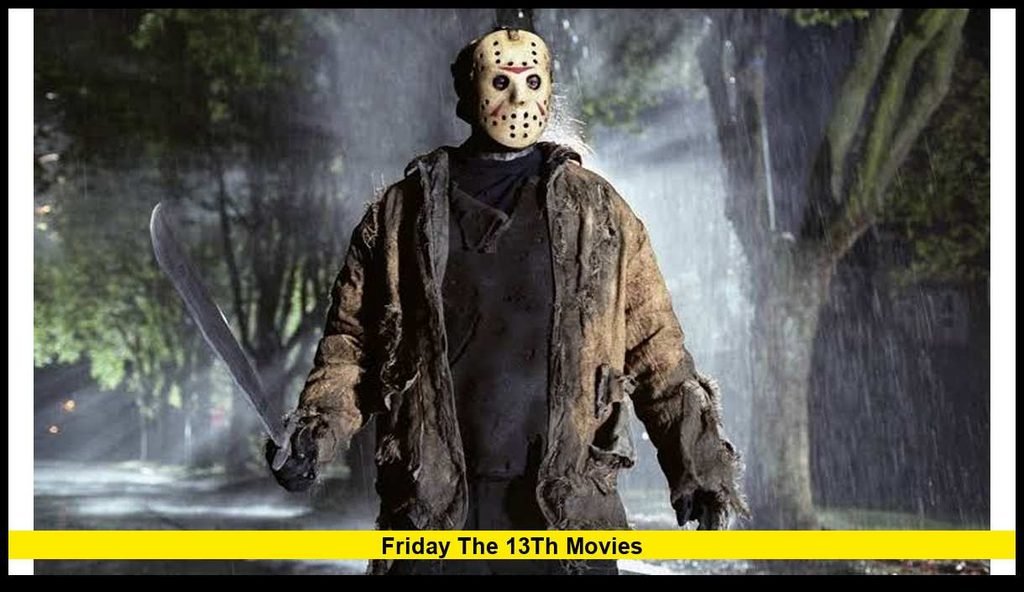
The Friday the 13th franchise continued through multiple theatrical sequels, and its musical identity developed alongside the changing stories. The later films introduced different settings, characters, and versions of the central threat, but the original score remained an important reference point.
Manfredini composed music for several of the early installments, giving him opportunities to revisit the sound he had created in 1980. He could retain familiar elements while changing the arrangements and musical details to fit each film.
This balance helped preserve continuity. A recognizable musical cue could remind audiences that they were returning to the world of Camp Crystal Lake, even when the plot took the characters in a new direction.
At the same time, a sequel needs to create its own atmosphere. Repeating every musical passage exactly would limit the ability to respond to new scenes and emotional shifts. Changes in pacing, instrumentation, and orchestral intensity allow a score to serve the needs of a particular movie.
The franchise also brought in other composers over time. Their contributions reflected the changing production styles and creative priorities of individual installments. The music could sound different from one film to another, but the signature sound established by Manfredini remained a major part of the series’ identity.
This evolution illustrates a common challenge for long-running film franchises. They must give longtime fans something familiar without making every new installment feel identical to the last. The music of Friday the 13th navigated that challenge by combining a recognizable core with variations in its broader score.
For viewers, the result is a musical connection across decades of horror filmmaking. A familiar cue can bring back memories of earlier films, while a new arrangement can support a different scene or interpretation.
Harry Manfredini’s Lasting Influence on Horror Music
Manfredini’s work on Friday the 13th became one of the defining achievements of his career. His contribution demonstrates that a film composer does not always need a complicated melody to create an enduring musical identity.
The famous vocal cue is brief, but it serves several purposes at once. It identifies the franchise, signals the presence of a threat, connects the music to the story’s characters, and builds anticipation. Its effectiveness comes from how closely the sound is tied to what the audience sees and understands.
That relationship between music and storytelling is an important part of film composition. A score can guide the viewer’s attention, shape emotional reactions, and provide information that the dialogue does not explain. In a suspense film, the music can also make the audience question whether a character is truly alone.
Manfredini’s work shows how a carefully chosen sound can accomplish all of those tasks. The vocal effect is not just a decorative detail added to a scary scene. It forms part of the film’s narrative language.
The music also has a recognizable character that distinguishes it from many traditional orchestral themes. Its repeated syllables are unusual enough to stand out, while their association with the killer gives them a clear purpose within the story.
For horror composers, the score remains a useful example of how to create tension through economy. A small musical idea can become powerful when the filmmaker introduces it at the right time and teaches the audience what it means.
The Friday the 13th Theme in Modern Horror Culture
The franchise’s music has lived well beyond the original theatrical release. It remains recognizable to horror fans who grew up watching the films and to newer audiences discovering the series through home entertainment, television, streaming, and horror-related events.
The cue has also become part of the broader language of horror references in American popular culture. Its unusual sound can signal a connection to Friday the 13th even when the reference appears outside a scene from one of the films.
That familiarity gives the music a role beyond the original story. It can evoke memories of the franchise, communicate a playful sense of horror nostalgia, or create anticipation among fans who know what the cue represents.
The sound is particularly suited to recognition because it is short and distinctive. Viewers do not need to hear a complete musical passage before identifying it. A brief appearance can be enough to bring the franchise to mind.
The legacy also reflects the lasting influence of practical creative decisions. Manfredini developed the cue to solve a specific storytelling problem: how to indicate the killer’s perspective when the killer remained unseen. The solution became much larger than that original purpose.
A musical detail created for one film ultimately became part of the franchise’s identity across sequels and related productions. That kind of longevity is unusual, particularly in a genre where many films rely on different styles of music to establish their individual atmospheres.
The Friday the 13th theme continues to connect the franchise’s history with the way audiences recognize horror music today.
The Theme’s Return in the Crystal Lake Television Series
The Friday the 13th musical legacy continues in Crystal Lake, a television series connected to the franchise. The show brings the world surrounding Camp Crystal Lake to a new format while drawing on elements that made the original films recognizable.
The series revisits the franchise’s musical identity, including the signature vocal cue associated with the killer’s point of view. Composer Caleb Kane carries the familiar sound into the television setting, while the production also reimagines Manfredini’s original musical material for a new story.
This approach gives longtime fans a connection to the films while allowing the series to develop its own atmosphere. Television storytelling provides more time to explore characters and events, so music can help establish suspense across a longer narrative.
The return of the familiar cue is significant because it demonstrates how strongly the music remains connected to the franchise. A viewer who recognizes the original sound can immediately understand its association with danger, even when the story introduces a different situation.
The music also helps connect the series to the wider history of Friday the 13th. While the franchise can introduce new creative choices, its most recognizable elements help maintain a sense of continuity.
For the score, the challenge is to respect the original material without simply repeating the same approach in every scene. Reworking a familiar theme allows a new production to acknowledge its roots while shaping a sound that suits its own characters, pacing, and visual style.
The result keeps the Friday the 13th musical signature relevant to audiences discovering the franchise through a modern television production.
Why the Friday the 13th Theme Still Frightens Audiences
The enduring power of the Friday the 13th theme song comes from the relationship between sound and expectation. Once viewers connect a musical cue with danger, hearing it again can trigger a response before anything frightening happens on screen.
The effect depends partly on memory. Fans who know the franchise understand the meaning of the vocal motif, so the music can make them anticipate an attack or a disturbing discovery. The sound becomes a warning that something may be wrong.
Its unusual vocal quality also contributes to the unease. The syllables sound human, but they do not resemble normal speech. Their repetition and echo make them seem detached from an identifiable speaker, creating a feeling that the threat is close without revealing where it is.
The score’s use of contrast adds another layer. Quiet moments encourage the audience to pay attention, while a sudden musical shift can intensify fear. The tension comes from the difference between what viewers expect and what the film reveals.
The music also benefits from its association with a recognizable setting. Camp Crystal Lake has become synonymous with the franchise, and the score reinforces that connection. When the familiar sound returns, audiences can recall the woods, cabins, and isolated paths that helped define the original film.
Not every viewer will respond to the music in the same way. Some may find it frightening, while others may hear it as a nostalgic reminder of classic slasher movies. Both reactions reflect the theme’s place in horror culture: it has become recognizable enough to evoke fear, familiarity, and even playful recognition.
Is the Friday the 13th Theme Song the Same in Every Movie?
No. The franchise has used different musical arrangements and scores across its films, and later productions have included contributions from composers other than Harry Manfredini. The original score established the best-known musical identity, but each installment has its own soundtrack and creative approach.
Manfredini’s signature vocal cue remains the element most strongly associated with the series. Its continued use and adaptation help connect different installments, even when the surrounding music changes.
The 2009 Friday the 13th film, for example, features a score by Steve Jablonsky, while retaining a connection to the franchise’s established musical identity through the Jason vocal effect written by Manfredini. This illustrates the distinction between the overall score for a film and the recognizable cue that audiences associate with the series.
Why Fans Search for the Friday the 13th Theme Song
Search interest in the Friday the 13th theme song reflects several kinds of fan curiosity. Some viewers want to identify the music they remember from the original movie. Others want to understand the meaning of the vocal sound, find the soundtrack, or learn about the composer behind it.
The music also appeals to people interested in film scores and horror history. The cue provides a clear example of how a composer can use a small musical idea to solve a storytelling problem and create a lasting cultural reference.
For longtime fans, revisiting the soundtrack can bring back memories of watching the films for the first time. New viewers may discover the music after encountering the franchise through a sequel, a television adaptation, or a discussion of famous horror themes.
The musical identity is also easy to discuss because its central sound is so distinctive. Unlike a theme built around a long melody, the signature cue can be described and recognized in only a few words.
Understanding the background makes the music even more interesting. The sound was not created simply to give Jason Voorhees a musical signature. It originated as a way to identify the killer’s point of view in a story where the threat remained hidden for much of the film.
That practical creative choice became a defining feature of the franchise and one of its most durable contributions to horror cinema.
The Lasting Legacy of the Friday the 13th Theme Song
The Friday the 13th theme song has endured because it combines a distinctive sound with a clear storytelling purpose. Harry Manfredini’s work on the 1980 film gave the franchise a musical identity that audiences could recognize even when the killer remained out of sight.
The famous “ki-ki-ki, ma-ma-ma” cue grew from the words “kill” and “mommy,” connecting the music to the disturbing relationship between Jason and Pamela Voorhees. Manfredini’s vocal recording and echo effect transformed those syllables into a chilling warning that became closely associated with the series.
The score’s influence extends beyond that single sound. Its use of silence, repetition, tension, and sudden changes demonstrates how music can guide an audience’s expectations and make ordinary settings feel threatening. Across the franchise’s films and its newer television adaptation, the music continues to connect fresh stories with the series’ history.
For horror fans, the theme remains much more than background music. It is a recognizable piece of cinema history that recalls Camp Crystal Lake, the franchise’s suspenseful atmosphere, and the creative choices that helped define modern slasher films.
The enduring success of the Friday the 13th theme song shows how a simple, carefully designed musical cue can become one of horror cinema’s most unforgettable signatures.
Beyond its unforgettable horror soundtrack, the Friday the 13th franchise continues to attract attention from longtime fans and new viewers. Discover the latest developments, production news, and updates about the Friday the 13th series 2026.