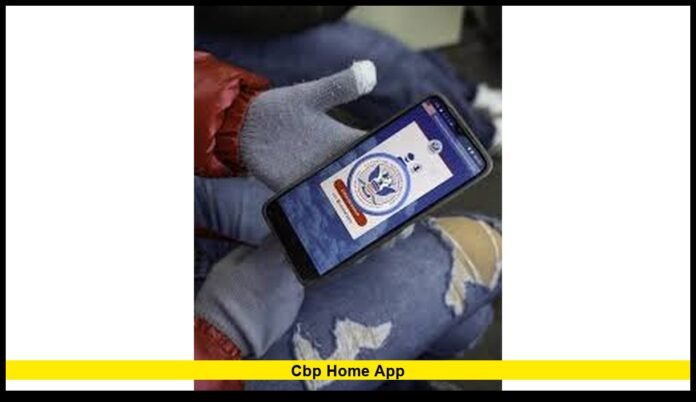

CBP Home app use continues to increase across the United States as U.S. Customs and Border Protection relies on the platform as a central tool for post-entry immigration compliance and monitoring.
This article provides a comprehensive, factual look at the CBP Home app, including its purpose, required users, daily functions, enforcement role, and current operational status. All details reflect confirmed information available as of today and are presented for a U.S. audience.
What the CBP Home App Is Designed to Do
The CBP Home app is an official digital platform developed and operated by U.S. Customs and Border Protection, which operates under the Department of Homeland Security. The application is part of CBP’s broader effort to modernize immigration operations through secure digital systems.
The app is specifically designed to manage post-entry responsibilities for certain noncitizens who have already completed initial processing and have been released into the United States under defined legal conditions. It serves as a structured reporting tool rather than an entry or application system.
CBP Home does not allow users to apply for admission to the United States, request asylum appointments, obtain visas, or receive immigration benefits. It also does not replace immigration court hearings, legal filings, or formal adjudication processes. All legal decisions continue to be handled through existing immigration authorities and courts.
Instead, the app functions as a compliance and communication platform. It allows CBP officers to assign reporting requirements, monitor adherence to release conditions, and communicate directly with individuals under supervision. Through the app, users can submit required information, complete scheduled check-ins, and receive official instructions tied to their specific immigration case.
By shifting these responsibilities to a digital format, CBP Home reduces the need for frequent in-person reporting while maintaining oversight. The system supports accurate recordkeeping, timely communication, and consistent monitoring, making it a core operational tool in CBP’s post-entry case management process.
Why CBP Uses the CBP Home App
CBP introduced the CBP Home app to modernize immigration case management and reduce reliance on frequent in-person reporting.
The system supports CBP’s operational goals by:
- Allowing faster data collection
- Reducing administrative delays
- Improving oversight of released individuals
- Centralizing case-related communication
Officials have confirmed the app plays a role in managing high caseloads while maintaining required supervision.
Who Is Required to Use the CBP Home App
Use of the CBP Home app is not universal and does not apply to everyone who enters or resides in the United States. Only specific individuals are required to use the app, and enrollment occurs strictly when U.S. Customs and Border Protection or another authorized immigration authority issues a direct instruction.
Individuals are typically assigned to the app during their release from CBP custody or at a later stage of case processing. The requirement is tied to the terms of supervision associated with a person’s immigration case and is not optional once assigned.
Groups commonly directed to use the CBP Home app include individuals released under parole authority, which allows temporary entry into the United States under defined conditions. These individuals are often required to report their location and confirm compliance digitally rather than through frequent in-person visits.
Noncitizens placed in alternatives-to-detention programs may also be required to use the app. In these cases, CBP Home serves as a reporting and monitoring tool that replaces or supplements other supervision methods.
Some migrants who are released after initial processing are instructed to self-report information through the app. This may include confirming a residential address, completing scheduled check-ins, or acknowledging updated instructions from immigration authorities.
Individuals assigned digital supervision conditions are also among those required to use the app. These conditions are set by CBP based on case-specific factors and determine how often the app must be used and what actions are required.
CBP provides clear, case-specific instructions at the time of release or enrollment. These instructions outline how to download the app, complete registration, and meet reporting obligations. Failure to follow these directions may result in further review or changes to supervision requirements.
Enrollment and Account Setup
Enrollment in the CBP Home app occurs after an individual receives formal instructions from CBP.
The setup process includes:
- Downloading the app on a compatible smartphone
- Creating secure login credentials
- Completing identity verification steps
- Confirming assigned reporting requirements
Access is limited to the individual’s specific case.
Identity Verification Features
Identity verification is a core function of the CBP Home app.
Confirmed verification elements include:
- Biographic data confirmation
- Photo-based identity checks
- Secure credential authentication
- Device-based access controls
These steps help ensure that reporting requirements are completed by the correct individual.
Address Reporting and Updates
One of the most common requirements enforced through the CBP Home app is address reporting.
Users may be instructed to:
- Submit an initial residential address
- Update any address changes within required timeframes
- Confirm continued residence during check-ins
Address accuracy is treated as a formal compliance requirement under immigration supervision.
Check-Ins and Reporting Requirements
The CBP Home app supports digital check-ins that replace some in-person reporting obligations.
Check-ins may involve:
- Confirming presence through the app
- Submitting a photo for verification
- Responding to CBP-issued prompts
- Acknowledging updated instructions
The frequency and type of check-ins vary by case and are determined by CBP.
Notifications and Communication
CBP Home includes a built-in notification system used to communicate directly with users.
Notifications may include:
- Reminders for required actions
- Instructions related to compliance
- Confirmation messages after submissions
Users are expected to monitor the app regularly once enrolled.
Technical Requirements for Use
To remain compliant, users must maintain access to the CBP Home app.
Basic requirements include:
- A compatible iOS or Android device
- Reliable internet access
- A working phone camera
- Ability to update the app when required
CBP informs users of these requirements at the time of enrollment.
What the CBP Home App Does Not Do
The CBP Home app serves a narrow and clearly defined purpose within the U.S. immigration system. It is designed strictly for post-entry compliance and communication and does not function as a general immigration application platform.
The app does not allow individuals to apply for entry into the United States. It cannot be used to request permission to cross the border or to initiate any form of admission process.
It also does not provide a way to schedule border or port-of-entry appointments. Individuals seeking lawful entry or processing at the border must follow separate procedures established by immigration authorities.
The CBP Home app does not grant asylum, parole, visas, or any other immigration benefit. Decisions related to immigration status, relief, or protection are made through formal legal and administrative processes outside the app.
In addition, the app does not replace immigration court hearings or legal proceedings. Individuals required to appear in immigration court must still attend all scheduled hearings, regardless of their use of the app.
Overall, the CBP Home app functions only as a digital tool for monitoring, reporting, and communication after an individual has already entered the United States. It supports compliance with existing requirements but does not alter or bypass established immigration laws or procedures.
Differences From Earlier CBP Platforms
CBP Home replaced earlier CBP mobile systems used for similar reporting functions.
Key changes include:
- A single platform for compliance reporting
- Updated security and verification tools
- Simplified navigation for users
- Centralized officer access
CBP has confirmed that CBP Home is now the active system for these purposes.
Privacy and Data Protection
CBP has stated that information collected through the CBP Home app is handled under federal privacy and data protection standards.
Data use includes:
- Immigration case management
- Compliance verification
- Authorized enforcement review
Access is limited to authorized personnel involved in immigration operations.
User Responsibilities
Individuals required to use the CBP Home app are responsible for meeting all assigned obligations.
User responsibilities include:
- Keeping personal information current
- Completing check-ins on time
- Maintaining app access
- Following CBP instructions
Failure to meet these responsibilities may result in case review.
Compliance and Enforcement
CBP treats app-based reporting as a formal requirement.
Noncompliance may lead to:
- Increased supervision conditions
- Review by immigration authorities
- Possible changes in custody status
Enforcement decisions are made based on individual case circumstances.
Impact on Immigration Operations
The CBP Home app has changed how CBP manages post-entry supervision.
Confirmed operational impacts include:
- Reduced need for in-person reporting
- Faster information updates
- More consistent compliance tracking
Officials have stated the app supports broader modernization efforts within DHS.
Public Attention and Ongoing Debate
The CBP Home app has received attention as part of wider discussions about immigration enforcement and technology use.
Supporters point to efficiency and oversight improvements. Critics raise concerns about digital access challenges.
CBP has confirmed the app is one of several tools used in managing immigration cases.
Current Status of the CBP Home App
As of today, the CBP Home app is actively deployed across the United States and continues to be used for designated immigration cases under U.S. Customs and Border Protection supervision. The platform remains operational nationwide and is integrated into routine post-entry case management.
Enrollment into the app is ongoing. Individuals who meet specific criteria are instructed to download and use the app at the time of release or during case processing. CBP officers continue to rely on the system to assign reporting requirements and monitor compliance remotely.
The app receives regular system maintenance and updates to ensure functionality, security, and compatibility with current mobile devices. These updates are intended to improve reliability, address technical issues, and maintain data protection standards required for federal systems.
CBP officers across multiple regions use the app as part of their daily operations. It supports address verification, scheduled check-ins, and communication with individuals under supervision. The platform allows officers to review submissions, track compliance history, and issue follow-up instructions when necessary.
CBP has confirmed that the app is now a permanent component of its operational framework. It works alongside in-person reporting, court proceedings, and other enforcement tools rather than replacing them. The continued use of the CBP Home app reflects the agency’s broader shift toward digital case management while maintaining established immigration oversight practices.
What Users Should Expect Going Forward
Individuals instructed to use the CBP Home app should expect continued reliance on digital reporting.
Best practices include:
- Checking the app frequently
- Keeping devices charged and updated
- Responding promptly to notifications
Compliance through the app is treated the same as in-person reporting.
Why the CBP Home App Matters
The CBP Home app marks a significant change in how U.S. Customs and Border Protection manages post-entry immigration supervision. By moving many routine reporting and monitoring tasks to a digital platform, CBP has reduced the need for frequent in-person check-ins while maintaining structured oversight.
The app allows immigration officers to monitor compliance more consistently across a large number of cases. Digital reporting helps standardize how information is collected, reviewed, and stored, creating a more efficient system for both users and officers. This approach supports faster updates to case records and reduces administrative delays.
From a resource management standpoint, the CBP Home app enables CBP to allocate personnel more effectively. Officers can focus on higher-risk cases while still maintaining visibility into individuals assigned to digital supervision. This balance supports enforcement priorities without removing formal accountability requirements.
For individuals required to use the app, CBP Home has become a central part of daily immigration responsibilities. Address updates, scheduled check-ins, and direct communication now occur through a single platform. Compliance through the app is treated with the same importance as in-person reporting, making it a critical tool in maintaining case status and meeting federal obligations.
Looking Ahead
CBP officials have stated that digital tools like CBP Home will remain part of immigration operations as modernization efforts continue.
While policies evolve, the app’s role in post-entry compliance remains firmly established.
If you are required to use the CBP Home app or are following changes in U.S. immigration enforcement, share your thoughts or stay connected for ongoing updates.