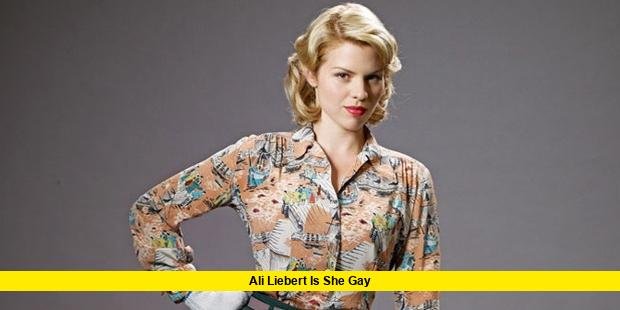

Yes — Ali Liebert is openly queer, which means she identifies with a sexual orientation that falls under the LGBTQ+ umbrella (including gay, lesbian, bisexual, etc.). She has spoken publicly about being queer and about how some of her roles helped her understand and embrace her own identity
The question ali liebert is she gay continues to trend as audiences seek clarity about the actress’s identity, her openness, and the deeper reasons her work resonates so strongly today. Ali Liebert is not only a familiar face on television and in film, but also a creative force whose career reflects a broader cultural shift toward authenticity and inclusion. As of today, her identity and professional choices are well established, publicly acknowledged, and closely connected to the types of stories she brings to the screen.
This article offers a fresh, detailed look at Ali Liebert’s life, her career evolution, her openness about her sexuality, and why public interest in her story keeps growing among U.S. audiences.
Who Ali Liebert Is Beyond the Headlines
Ali Liebert was born in Surrey, British Columbia, and entered the entertainment industry with a deep interest in storytelling, character development, and emotional authenticity rather than celebrity or tabloid attention. From the beginning of her career, she gravitated toward projects that emphasized human connection and interior life, often choosing roles that allowed for subtlety instead of spectacle. Her early television work reflected this approach, as she steadily built credibility through consistent performances rather than overnight visibility.
As her career progressed, Liebert became known for portraying characters with emotional depth and restraint. She avoided exaggerated tropes, instead grounding her performances in realism and empathy. Whether working in drama, romance, or ensemble casts, she demonstrated an ability to convey vulnerability and strength simultaneously, which resonated with audiences across different genres. This versatility allowed her to move fluidly between mainstream television projects and more intimate, character-driven stories.
Unlike many actors who remain confined to a single lane, Liebert expanded her creative reach by stepping into producing and directing. These roles gave her greater influence over the kinds of stories she wanted to support and tell, particularly narratives centered on authenticity, underrepresented voices, and emotional truth. Her behind-the-camera work reinforced her reputation as a thoughtful creative professional, not just a performer.
This layered, intentional career trajectory helped shape public perception of Ali Liebert as an artist first. By the time conversations around her personal identity emerged, they were framed through the lens of respect for her work and creative integrity. As a result, her identity became part of a broader narrative about authenticity and representation, rather than a point of controversy or sensationalism.
Addressing the Question Directly
For those asking ali liebert is she gay, the direct and accurate answer is yes. Ali Liebert identifies as queer and has spoken openly about her sexuality in interviews and public conversations. Rather than framing her identity around labels or a single defining moment, she has described it as something that became clearer over time, shaped by personal reflection and lived experience rather than public pressure.
Liebert’s openness did not arrive through a headline-making announcement. Instead, it emerged gradually as she examined her life, her relationships, and the emotional truths she explored through her work. She has explained that portraying LGBTQ+ characters earlier in her career played a meaningful role in that process. Those performances were not strategic choices designed to make statements; they were roles that resonated with her on a personal level and allowed her to see parts of herself reflected on screen.
Through that process, Liebert came to a deeper understanding of her own identity. She has spoken about how art and self-discovery often intersect, particularly for actors whose work requires emotional honesty. In her case, the boundary between performance and personal insight became a space for clarity, not conflict. When she eventually acknowledged her sexuality publicly, it felt like a natural continuation of that journey rather than a revelation designed for attention.
Her approach has resonated strongly with fans and audiences because it feels grounded and sincere. There is no sense of performance in how she speaks about her identity—only calm confidence and acceptance. By treating her sexuality as one authentic part of a larger life and career, Ali Liebert has helped normalize conversations around identity without making them the sole focus of who she is or what she creates.
The Role of Queer Characters in Her Career
Ali Liebert has portrayed queer characters in multiple projects, often at times when such representation was still limited or treated cautiously in mainstream television. What set her performances apart was not simply the presence of LGBTQ+ identity, but the way those characters were written and embodied. Rather than leaning on shorthand or familiar tropes, her roles emphasized interior life, emotional contradiction, and quiet resilience. This approach helped position queer characters as people first, whose identities informed their lives without defining them entirely.
A major turning point came with her award-recognized role in a Canadian historical drama, where she portrayed a queer woman navigating love, loyalty, and survival within the constraints of her era. The performance was widely praised for its restraint and emotional intelligence. In a genre that had rarely centered LGBTQ+ stories, Liebert’s character was neither marginalized nor sensationalized. Instead, she was integral to the narrative, proving that queer characters could carry serious, layered storytelling in period settings. That role is still frequently cited as an example of how thoughtful representation can shift audience expectations without overt messaging.
As her career continued, Liebert consistently gravitated toward roles rooted in emotional honesty, regardless of genre or platform. Whether in contemporary dramas, romances, or ensemble casts, she showed a clear preference for stories that allowed characters to exist in moral and emotional complexity. This consistency reinforced the sense that her choice of queer roles was never about trend or visibility alone, but about authenticity. Over time, those performances became part of a larger body of work that quietly but effectively contributed to the normalization of LGBTQ+ presence across television and film.
Breaking Ground in Mainstream Romantic Storytelling
Ali Liebert reached a new milestone in her career with a leading role in a holiday romantic comedy centered on a same-sex couple, a genre that has long been defined by narrow expectations and repetition. Holiday romances, particularly those produced for family-oriented networks, have traditionally relied on familiar heterosexual storylines presented as universally relatable. By stepping into a lesbian-led holiday film, Liebert became part of a visible shift in how these stories are imagined and who gets to be at their center.
What made the project especially impactful was its tone. The film did not frame queer love as an issue to be explained or justified. Instead, it embraced the same emotional beats audiences expect from the genre: warmth, humor, family tension, reconciliation, and the quiet intimacy that defines seasonal storytelling. The central relationship was treated as ordinary in the best sense, shaped by shared traditions and personal history rather than by conflict rooted in sexuality. This normalcy allowed viewers to engage with the story on emotional terms without being asked to see it as “different.”
That approach resonated with audiences precisely because it avoided spectacle. By placing LGBTQ+ romance within a genre associated with comfort, nostalgia, and repeat viewing, the film expanded the idea of who those stories are for. It suggested that queer couples belong naturally in narratives about family gatherings, holiday stress, and joyful resolutions, rather than being confined to niche or issue-driven projects.
Liebert’s involvement added credibility and emotional grounding to that shift. Known for her restrained, sincere performances, she brought the same authenticity to this role that defines her broader body of work. Her presence helped demonstrate that inclusive storytelling does not require abandoning tradition, but reimagining it. In doing so, the film became more than a seasonal romance; it served as evidence that mainstream audiences are ready for broader representation when it is delivered with care, honesty, and emotional truth.
Why Her Openness Matters to Audiences
Ali Liebert’s openness resonates with audiences precisely because it is understated and unforced. She does not frame her identity as a headline or a defining brand, nor does she treat it as something that must be constantly explained. Instead, she allows it to exist naturally alongside her work, her creative choices, and her public presence. This quiet confidence creates a sense of trust, making her feel accessible and genuine rather than curated.
For LGBTQ+ audiences, particularly women who have often seen limited or distorted versions of themselves reflected on screen, her career offers reassurance. Liebert’s visibility demonstrates that openness does not require sacrifice—of roles, respect, or professional momentum. She continues to work steadily across mainstream projects while being honest about who she is, reinforcing the idea that authenticity and success are not mutually exclusive. That message carries particular weight in industries where visibility has historically come with risk.
For broader audiences, her presence contributes to normalization rather than division. By neither hiding nor spotlighting her sexuality, she models an understanding of identity as one element of a full, complex life. Viewers are invited to know her first as an actor, storyteller, and creative professional, with her queerness existing naturally within that larger context. This approach helps reduce the sense of “otherness” that often surrounds public discussions of sexuality.
Together, these factors explain why interest in Ali Liebert’s personal life continues to grow in parallel with her professional success. Her openness feels earned, calm, and sincere, aligning with the emotional integrity that defines her work. In an era when visibility can sometimes feel performative, her example stands out for its restraint—and that is precisely why it matters to so many people.
Creative Control and Storytelling Choices
Ali Liebert’s impact extends well beyond her on-screen performances through her deliberate move into producing and directing. By taking on these roles, she has gained greater influence over the kinds of stories that reach audiences and the way those stories are told. Creative control has allowed her to move away from passive participation and toward active authorship, ensuring that the projects she supports align with her artistic values and personal principles.
Behind the scenes, Liebert has shown a clear commitment to character-driven narratives. Her choices as a producer and director consistently favor emotional honesty, nuance, and authenticity over spectacle or formula. She gravitates toward stories that explore human complexity, relationships, and identity in ways that feel lived-in rather than constructed for effect. This focus gives her projects a sense of intimacy and purpose that audiences can feel, even when the subject matter is subtle.
Importantly, her storytelling decisions are not reactive to industry trends. Rather than chasing what is currently marketable, Liebert has demonstrated patience and intentionality, supporting narratives that reflect real experiences and underrepresented perspectives. This long-view approach has strengthened her credibility within the industry, positioning her as a thoughtful creative voice rather than someone capitalizing on moments of cultural attention.
By balancing her work in front of and behind the camera, Liebert occupies a unique position. She understands performance from the inside while also shaping the broader narrative framework that surrounds it. This dual perspective allows her to contribute meaningfully to the evolution of inclusive storytelling, helping to expand what mainstream audiences see and expect. In doing so, she is not simply participating in change but actively helping to guide it, one carefully chosen project at a time.
Public Perception and Media Attention
The growing attention around ali liebert is she gay reflects a shift in how audiences engage with public figures. Fans today are less interested in speculation and more interested in understanding how identity informs creative work.
Liebert’s willingness to speak candidly, without oversharing, has helped her maintain control of her narrative. She addresses questions directly when appropriate and keeps the focus on her work. This has prevented misinformation while reinforcing trust with her audience.
As a result, discussions around her identity often lead to deeper conversations about representation rather than gossip.
Influence on Industry Representation
Ali Liebert’s career aligns with a broader industry movement toward inclusive casting and storytelling. Her success in both niche and mainstream projects demonstrates that representation does not limit market appeal.
Networks and studios have increasingly recognized that audiences respond to authenticity. Liebert’s work serves as evidence that queer-led stories can thrive across genres, from historical drama to holiday romance.
Her continued presence in visible roles reinforces the idea that LGBTQ+ representation is not a trend, but a permanent and necessary part of modern storytelling.
What Comes Next for Ali Liebert
While future projects are typically announced closer to release, Liebert’s current trajectory suggests continued involvement in meaningful, character-driven work. Whether acting, producing, or directing, she remains focused on quality rather than volume.
Her audience continues to grow, fueled by both long-time fans and new viewers discovering her work through inclusive programming. This sustained interest ensures that her influence will extend beyond individual roles.
Why Her Story Continues to Resonate
Ali Liebert’s journey resonates because it reflects real life rather than a curated image. Her openness about her identity, combined with thoughtful career choices, has made her a figure of quiet cultural significance.
The interest surrounding ali liebert is she gay ultimately points to something larger: a public desire for honesty, representation, and storytelling that mirrors the diversity of real experiences.
As entertainment continues to evolve, Ali Liebert stands as an example of how authenticity can shape both a career and a cultural conversation.
What are your thoughts on Ali Liebert’s impact and the roles she continues to take on? Join the conversation and check back for the latest updates on her work.