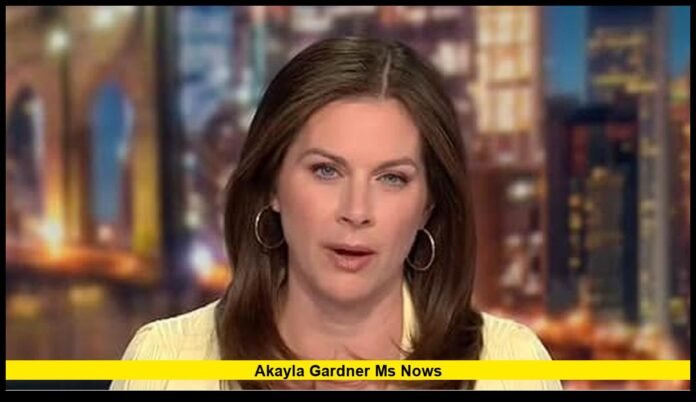

The Akayla Gardner MS NOW story has drawn national attention after the White House correspondent was denied entry to the White House grounds on September 19, 2026, following President Donald Trump’s announcement that MS NOW, CNN and Politico would no longer be permitted access. Gardner reported the incident from outside the White House as the three organizations faced new restrictions on their ability to cover the administration from inside the complex.
The development has placed Gardner at the center of a rapidly developing dispute involving presidential media access, press credentials and the relationship between the White House and news organizations. Her experience also provides a firsthand account of how the newly announced restrictions were implemented.
Who Is Akayla Gardner?
Akayla Gardner is a Washington-based journalist who covers the White House and the presidency for MS NOW. Her work focuses on the administration, national politics, policy and major developments involving the executive branch.
Gardner has built her career around political reporting and coverage of presidential administrations. Before joining MS NOW, she worked for Bloomberg News, where she covered the White House during both the Trump and Biden administrations.
Her previous reporting has included presidential campaigns, economic policy, government decisions and international assignments. She has also reported from several countries while covering presidential travel and major political events.
That background has made Gardner a familiar presence among journalists covering the White House and national politics.
Why Gardner Is Making Headlines
Gardner became a central figure in the latest White House media-access controversy after she attempted to enter the White House complex on Saturday morning.
According to her account, she passed through two gates before reaching the point where her press credential needed to be scanned. At that stage, she was told that her badge had been disabled.
An officer then asked her to surrender the credential. Gardner said she questioned why she was being prevented from entering and was told that the decision came from above the officer’s level.
Gardner subsequently reported the experience live from outside the White House.
Her account provided viewers with a direct description of what happened as the administration began enforcing its announced restrictions against MS NOW, CNN and Politico.
What Happened to Gardner’s Press Credential?
The incident centered on Gardner’s White House access badge.
Press credentials allow authorized journalists to enter designated areas of the White House complex when they are assigned to cover presidential activities. Gardner said her credential was no longer active when she attempted to use it.
After being informed that the badge had been disabled, she was asked to hand it over.
An MS NOW photographer also reportedly had a credential disabled during the same period. At the same time, Gardner said an MS NOW producer who accompanied her was able to enter the complex because that person’s credential continued to work.
The differing experiences among members of the same newsroom highlighted the practical effect of the new restrictions as they were implemented.
Gardner was therefore able to continue reporting on the White House, but she had to do so from outside the perimeter rather than from inside the complex.
Trump’s Announcement Before the Access Restrictions
The events involving Gardner followed Trump’s announcement on September 18 that CNN, MS NOW and Politico would be barred from the White House.
Trump criticized the organizations’ reporting and described their coverage as inaccurate. He also indicated that additional media organizations could face similar treatment.
The announcement represented a significant change in the immediate working environment for reporters employed by the three organizations.
Journalists from the affected outlets had continued working at the White House after the announcement on Friday. The practical consequences became clearer the following morning when reporters attempted to enter the complex.
Gardner’s experience was among the first public accounts showing how the policy would operate in practice.
CNN and Politico Report Similar Treatment
Gardner was not the only journalist affected.
CNN senior White House reporter Betsy Klein also reported that her credential had been deactivated and that she was denied access to the White House.
Politico White House reporter Cheyenne Haslett was likewise turned away and had her White House access pass confiscated.
The three journalists subsequently reported from outside the White House grounds.
The simultaneous restrictions involving three different news organizations transformed what had initially been a presidential announcement into an active media-access dispute.
Each organization publicly stated that it intended to continue covering the administration.
MS NOW Responds
MS NOW said it stood behind its journalists and newsroom following the denial of access.
The network stated that it intended to take steps to defend its First Amendment rights and emphasized the importance of independent journalism in covering the government.
The organization also said it would continue reporting on the president, the administration and issues affecting Americans.
That response means the dispute is not simply about whether individual reporters can enter the White House. It also concerns the broader question of how media organizations receive access to government officials and presidential events.
Why White House Access Matters to Reporters
White House access plays an important role in presidential journalism because correspondents need to observe events, ask questions, attend briefings and report directly from the location where major executive decisions are announced.
Reporters working inside the complex may have opportunities to question administration officials or attend presidential appearances that are not available to journalists reporting from outside the gates.
When a reporter loses access, the journalist can still report using interviews, public statements, documents, official broadcasts and other sources. However, physical access to the White House can affect the way a newsroom gathers information and covers fast-moving developments.
For a White House correspondent such as Gardner, access is particularly relevant because her job involves reporting on the president and administration on a continuing basis.
Gardner’s Journalism Background
Gardner’s career extends beyond her current White House assignment.
Before joining MS NOW, she worked at Bloomberg News and covered national politics and presidential affairs. Her work during the 2024 presidential campaign included reporting from battleground states and examining issues shaping the election.
She also worked on Bloomberg’s Washington coverage and was associated with a weekly newsletter focused on developments inside the White House.
Her professional background includes reporting on presidential travel and international events. She has covered stories from locations including India, the United Kingdom, Switzerland and the United Arab Emirates.
This combination of White House reporting, campaign coverage and international journalism has given Gardner experience across several major areas of political reporting.
Her Early Journalism Career
Gardner’s journalism career began before her work covering presidential politics.
While attending Ohio State University, she became involved in student journalism and worked on investigative reporting projects. She also helped establish a chapter of the National Association of Black Journalists at the university.
Her early work included an investigative documentary involving allegations concerning an Ohio State rowing coach. The project received recognition from a regional chapter of the National Academy of Television Arts and Sciences.
Those experiences helped establish the reporting background that later led to professional assignments in Washington.
Gardner’s Role During the Current Dispute
The significance of Gardner’s reporting during the latest controversy comes partly from the fact that she documented her own experience.
Rather than relying solely on a newsroom statement, viewers were able to hear directly from a White House correspondent who had attempted to enter the complex and was stopped after her credential was disabled.
Her live reporting explained the sequence of events, including her passage through the initial gates and the subsequent decision to prevent her from proceeding farther.
That made her one of the most visible journalists documenting the implementation of the restrictions.
The Broader First Amendment Debate
The White House decision has generated debate among press organizations, legal advocates and journalists about the constitutional implications of restricting access based on a news organization’s coverage.
The White House has defended the president’s position by pointing to what Trump described as inaccurate reporting.
Press freedom advocates have taken a different view, arguing that government officials should not selectively restrict journalists because of unfavorable coverage.
The legal questions surrounding the restrictions could ultimately become important if the affected organizations pursue court action.
The exact legal outcome remains unresolved, and future proceedings would determine how courts assess the government’s authority to regulate access to White House facilities while also considering First Amendment protections.
Earlier Conflicts Between the Trump Administration and Media
The latest dispute follows previous confrontations between the Trump administration and news organizations.
One notable earlier conflict involved the Associated Press, whose reporters were restricted from certain White House events and presidential travel after the administration objected to the organization’s continued use of the traditional name Gulf of Mexico rather than the administration’s preferred terminology.
That dispute also raised questions about whether the government can impose restrictions on journalists because of editorial decisions.
The current restrictions involving MS NOW, CNN and Politico add another chapter to the continuing debate over presidential media relations.
What Happens Next?
The immediate future of the dispute remains uncertain.
The affected organizations have indicated that they intend to continue reporting and defend their journalists’ ability to cover the administration. Legal challenges could become part of the response, although the precise course of action had not been established in the latest reporting.
The White House could also modify its position, maintain the restrictions or expand them to additional media organizations.
For Gardner, the immediate consequence is that she must continue covering the president and administration without the same physical access she previously had to the White House complex.
Her reporting can still be conducted from outside the grounds, through interviews and official statements, and by using other reporting methods.
What Readers Should Know About Akayla Gardner
Gardner is not a newcomer to presidential journalism. Her career includes reporting on two administrations, presidential campaigns, international events and national policy.
Her current position as an MS NOW White House correspondent places her directly in the middle of the latest dispute over presidential media access.
The September 19 incident does not represent the beginning of her journalism career but rather a highly visible moment in an established reporting career.
As the situation develops, attention will likely remain on whether the affected organizations regain access, whether legal action follows and how the White House manages its relationship with journalists from organizations it has criticized.
Latest Developments
The latest available information shows that the White House access restrictions announced by Trump were put into effect on September 19.
Gardner, Klein and Haslett were among the journalists who reported being denied entry, with their credentials disabled or confiscated. The three organizations have publicly indicated that they intend to continue their reporting.
The Akayla Gardner MS NOW development therefore remains part of a larger and still-unresolved dispute involving press credentials, White House access and constitutional questions surrounding government interaction with the news media.
For readers following the story, the most important developments to watch are any changes to the access restrictions, statements from the White House and affected news organizations, and potential court proceedings that could establish how the dispute will proceed.
The situation remains active, and additional developments could change the circumstances surrounding Gardner and other reporters assigned to cover the White House.
Key Points Summary
╔════════════════════════════════════════════════════════════════════╗
║ – Akayla Gardner is a Washington-based White House correspondent for MS NOW. ║
║ – She previously covered the Trump and Biden administrations while working at Bloomberg News. ║
║ – Gardner reported that her White House credential was disabled when she attempted to enter the complex on September 19, 2026. ║
║ – CNN and Politico journalists also reported being denied access after the administration announced restrictions on the three organizations. ║
║ – MS NOW said it would continue reporting on the president and administration while defending its journalists’ rights. ║
║ – The dispute has raised broader questions about White House press access, First Amendment protections and the relationship between the administration and news organizations. ║
╚════════════════════════════════════════════════════════════════════╝