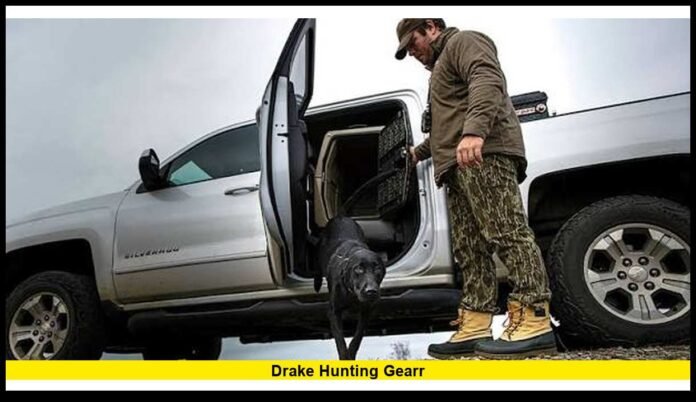

Waterfowl hunters looking for dependable clothing and equipment for cold mornings, wet conditions, muddy fields and changing weather continue to explore Drake hunting gear for its range of hunting apparel, waders, jackets, bibs, layering products and accessories. Designed around the demands of waterfowl hunting, Drake Waterfowl offers equipment intended to help hunters stay warm, dry, comfortable and prepared during long days in blinds, marshes, flooded timber and open fields.
Hunting conditions can change quickly during the season. A morning that begins with freezing temperatures may become warmer after sunrise, while rain, wind, standing water and mud can make an otherwise productive hunting trip uncomfortable. Choosing the right clothing and equipment is therefore an important part of preparation. Hunters need more than camouflage patterns and attractive designs. They also need practical construction, weather protection, mobility, insulation and materials suited to their particular hunting environment.
Drake Waterfowl has developed a product range covering several parts of a waterfowl hunter’s wardrobe. Its offerings include waterproof outerwear, insulated jackets, breathable waders, hunting bibs, pants, fleece layers, hoodies, vests and accessories designed for outdoor use. The brand’s product categories allow hunters to assemble equipment based on temperature, location, hunting style and personal preferences.
Why Waterfowl Hunters Look for Specialized Hunting Gear
Waterfowl hunting presents different challenges from many other outdoor activities. Hunters may spend several hours sitting in a blind, standing in shallow water, walking through wet grass, moving across muddy terrain or waiting in exposed locations where wind can make temperatures feel significantly colder.
Ordinary outdoor clothing may not provide the combination of waterproofing, insulation, camouflage and durability required for these situations. Hunting apparel must also allow hunters to move naturally when walking, crouching, adjusting equipment, setting decoys and handling hunting accessories.
Drake Waterfowl’s product range focuses on these practical requirements. Its apparel is designed around the needs of waterfowl hunters who frequently encounter moisture, cold weather, wind and demanding terrain. Different product lines provide varying levels of warmth, weather protection and flexibility, giving shoppers options for different seasons and hunting locations.
The brand’s clothing can also be used as a system. Instead of relying on a single heavy jacket, hunters can combine base layers, insulating midlayers, outer shells, bibs, pants and accessories. This approach makes it easier to adjust clothing throughout the day when temperatures change.
For hunters who regularly participate in waterfowl seasons, investing in specialized equipment can help improve comfort and reduce the distractions associated with cold, wet clothing.
Drake Waterfowl’s Approach to Hunting Apparel
The company’s apparel lineup includes products designed for different weather conditions and levels of outdoor activity. Some items emphasize lightweight construction and mobility, while others prioritize insulation and protection from cold temperatures.
The range includes early-season clothing for warmer conditions, midseason apparel for changing temperatures and late-season equipment designed to provide additional warmth. Hunters can choose products based on whether they spend most of their time in flooded areas, fields, timber, marshes or other hunting environments.
A major consideration is how individual garments work together. A waterproof jacket may provide protection from rain, while a fleece hoodie adds warmth beneath it. Insulated bibs can help protect the lower body from cold conditions, and waterproof waders can become essential when hunters need to enter water.
This variety allows hunters to create a clothing setup without necessarily purchasing every product in the same category. Selecting equipment based on actual conditions can be more practical than buying clothing simply because it belongs to a particular product collection.
Waterproof Waders for Wet Hunting Conditions
Waders are among the most important pieces of equipment for many waterfowl hunters. They allow hunters to move through shallow water, flooded vegetation and muddy areas while protecting their legs and lower body from moisture.
Drake Waterfowl offers different wader styles designed to address various hunting conditions. Some models emphasize insulation for colder weather, while others use breathable materials for hunters who need flexibility and comfort during more active movement.
Breathable Hunting Waders
Breathable waders are designed to help hunters remain comfortable when walking, setting up equipment or moving between hunting locations. These products use layered materials intended to provide waterproof protection while allowing moisture vapor to escape from inside the garment.
The construction can be useful for hunters who generate heat during movement. Wearing excessively heavy clothing during active hunting can cause sweating, and damp clothing may become uncomfortable once activity slows down.
Breathable waders can provide a balance between waterproof protection and comfort. Hunters can add appropriate base layers underneath them depending on the temperature and expected activity.
Insulated Waders for Cold Weather
Cold-weather hunting frequently requires additional insulation. Insulated waders can help provide warmth when hunters are standing in cold water or spending extended periods outdoors during winter conditions.
Drake’s insulated wader offerings include options designed for hunters who need greater protection against low temperatures. The amount of insulation a hunter requires depends on the climate, activity level, duration of the hunt and the clothing worn underneath.
Hunters should avoid choosing insulation solely based on the lowest temperature they expect to encounter. Activity levels matter as well. A hunter who walks extensively may need a different insulation setup from someone who spends most of the morning sitting in a blind.
Buckshot Eqwader Waders
The Buckshot Eqwader collection is designed to combine hunting functionality with insulation and water protection. Some versions feature neoprene construction, insulated boots and additional protection in areas that receive substantial wear.
The product design is intended to support hunters who regularly encounter cold water and difficult terrain. Features such as reinforced knee areas can be valuable when hunters kneel, crawl or work around equipment.
When comparing waders, shoppers should consider boot insulation, fit, material construction, waterproofing, knee reinforcement and ease of movement. These characteristics can have a noticeable impact on comfort during extended use.
Hardline Uninsulated Breathable Waders
Uninsulated breathable waders can be useful for hunters who prefer to control warmth through their base and midlayers. Rather than relying on a thick insulated wader, hunters can adjust their clothing underneath according to weather conditions.
This flexibility may be particularly useful during early-season hunts, warmer mornings or periods when temperatures change throughout the day.
Hunters comparing breathable waders should look at the material layers, waterproof construction, seam design, durability and overall fit. A properly fitted wader can make walking, bending and climbing easier.
BMF-Series Waders
Higher-end wader models may include additional reinforcement and specialized construction intended for demanding hunting environments. Reinforced materials can help protect areas that frequently contact brush, rough ground, equipment or other abrasive surfaces.
Hunters who regularly travel through thick vegetation or rough terrain may place greater value on durability than those who hunt in relatively easy-access locations.
Premium waders can represent a significant investment, making it important to compare construction, intended use and maintenance requirements before purchasing.
Hunting Jackets Designed for Changing Weather
A hunting jacket is one of the most frequently used pieces of outdoor clothing. It must provide protection from wind and moisture while allowing enough movement for walking, sitting, raising equipment and other hunting activities.
Drake Waterfowl offers several jacket styles that cover different weather conditions and insulation requirements. Some are designed primarily for waterproof protection, while others provide additional warmth or work as layering pieces.
LST Hardline 3-in-1 Jacket
Three-in-one jacket systems are designed to provide multiple clothing configurations. A waterproof outer shell can be used independently during milder conditions, while an insulating layer can be worn separately or combined with the shell when temperatures become colder.
This approach can make a single jacket system useful across different parts of the hunting season. Hunters can adapt their clothing without having to carry several complete jackets.
The versatility of a three-in-one design can be especially useful for people who hunt in locations where weather conditions are unpredictable.
Waterproof Jackets With Hoods
Waterproof jackets with hoods provide protection from rain, wet snow and wind. Hooded designs can help protect the head and neck when hunters are exposed to precipitation or cold weather.
A jacket’s hood should fit comfortably and remain functional when worn with other equipment. Hunters should consider whether the hood interferes with visibility, head movement or the use of other hunting accessories.
Waterproof construction is important, but breathability also matters. When hunters move frequently, moisture can accumulate inside clothing. A jacket that manages both external moisture and internal heat can be more comfortable during extended outdoor use.
MST Waterproof Full-Zip Jackets
Midseason waterproof jackets are designed for conditions that may be colder than early-season weather but not necessarily severe enough to require the heaviest insulated clothing.
Full-zip designs provide convenient access and make it easier to put the garment on or remove it when conditions change. Hunters may also appreciate the ability to regulate ventilation during movement.
The right jacket depends on the hunting environment. A hunter walking long distances may prefer a lighter garment, while someone sitting for extended periods may need additional insulation.
Eqwader Jackets
Eqwader apparel is designed to address situations where hunters need a combination of weather protection, warmth and flexibility.
These jackets can be useful when conditions are damp, windy or moderately cold. Their suitability depends on the specific model, insulation level and weather conditions.
Hunters should review the intended temperature range and clothing compatibility before choosing an Eqwader jacket. A garment that works well during a cool morning may require additional layers when temperatures drop significantly.
Insulated Hunting Bibs for Added Warmth
Bibs are particularly useful for waterfowl hunters because they cover a large portion of the lower body and can provide additional protection around the waist and torso.
Unlike ordinary pants, hunting bibs extend upward and use shoulder straps to keep the garment in place. This design can help reduce gaps between clothing when hunters bend, sit or move through wet terrain.
LST CommandXT Bibs
Insulated bibs are designed for colder hunting conditions. They may include thermal materials intended to help retain body heat while protecting hunters from wind and moisture.
The amount of insulation is an important consideration. Hunters who remain stationary for long periods may need more warmth than those who spend much of the day walking.
Bibs should fit comfortably over base layers without restricting movement. Proper sizing can make a difference when hunters need to crouch, climb, sit or move quickly.
Hardline Insulated Bibs
Insulated hunting bibs provide a practical clothing option for cold-weather conditions. Their design is intended to help hunters maintain warmth while offering coverage for the lower body.
When comparing insulated bibs, shoppers should consider insulation, waterproof protection, pocket placement, adjustment options, reinforced areas and overall fit.
The garment should allow comfortable movement while providing enough room for layers underneath. Excessively tight bibs can restrict mobility, while overly loose clothing may become cumbersome.
Why Bibs Can Be Useful During Waterfowl Season
Bibs can help create a more complete protective clothing system. Their higher coverage may reduce exposure around the waist when hunters sit, kneel or bend.
They can also work with jackets and waders to create overlapping layers that help keep cold air and moisture from reaching clothing underneath.
Hunters should pay attention to how their bibs fit with their jackets, waders and other garments. A clothing system that works together can be more comfortable than selecting individual items without considering compatibility.
Hunting Pants for Mobility and Everyday Outdoor Use
Hunting pants provide an alternative to bibs when hunters need lighter clothing, greater flexibility or a different layering configuration. They can be used during early-season hunts, scouting trips, outdoor work and other activities where full insulated bibs may be unnecessary.
Drake Waterfowl offers pants designed for different hunting conditions, including products emphasizing durability, comfort and weather-related features.
Non-Typical Endurance Pants
The Non-Typical Endurance Pant collection is aimed at hunters who need practical pants for outdoor use. Certain designs include features intended to address durability and scent-management considerations.
Hunting pants can be particularly useful during scouting, walking through fields, traveling between locations and preparing hunting equipment. They may also work as part of a layered system when temperatures become colder.
Hunters should consider the type of terrain they regularly encounter. Pants used in thick brush may need greater abrasion resistance than those worn primarily in open fields.
Jean-Cut Wader Pants
Jean-cut wader pants offer an alternative to traditional full-length waders for some hunting situations. Their design can be useful for hunters who need water-resistant protection while maintaining a more familiar pants-style appearance and fit.
These products are not necessarily a replacement for full waders in deep-water environments. Hunters should carefully evaluate the intended use and waterproof coverage before selecting them.
The choice between traditional waders and specialized pants depends on water depth, terrain, weather, hunting activity and the level of protection required.
Layering Clothing for Different Temperatures
Layering is one of the most effective ways to manage changing outdoor temperatures. Instead of wearing one extremely heavy garment, hunters can use several clothing layers that perform different functions.
A basic hunting clothing system may include:
- A base layer designed to manage moisture.
- A midlayer that provides warmth.
- An outer layer that protects against wind and precipitation.
- Additional insulation for colder conditions.
- Accessories that protect exposed areas.
This system allows hunters to adjust clothing as activity levels change.
Base Layers
Base layers are worn closest to the skin. Their primary role is to help manage moisture and maintain comfort.
When hunters walk long distances or carry equipment, body heat can increase rapidly. If sweat accumulates in clothing, it may become uncomfortable when activity slows down.
Choosing a suitable base layer can help support the rest of the clothing system. Hunters should consider material, thickness, fit and temperature requirements.
A lightweight base layer may work well during early-season hunting, while thicker thermal clothing may be more appropriate during colder conditions.
Midlayers
Midlayers provide insulation between the base layer and outerwear. They may include fleece, hoodies, lightweight insulated jackets or other thermal clothing.
The ideal midlayer depends on temperature and activity. Hunters who walk frequently may need a lighter option, while those who remain in blinds for long periods may require greater insulation.
The ability to remove or add a midlayer can help prevent overheating during movement and reduce discomfort when temperatures change.
Outer Layers
Outer layers provide protection from external weather conditions. Waterproof and windproof garments can help reduce exposure to rain, snow and cold air.
The outer layer should be selected according to the conditions expected during the hunt. A heavy insulated jacket may be appropriate for late-season conditions, while a lighter waterproof shell may offer greater flexibility during warmer weather.
Hunters should also consider how the outer layer fits over their midlayers. Proper sizing helps maintain mobility and can make clothing easier to adjust.
Hoodies and Lightweight Hunting Layers
Hoodies are popular among outdoor enthusiasts because they can provide warmth without the bulk of a heavy jacket. They are also easy to wear during scouting, travel, equipment preparation and other outdoor activities.
Drake Waterfowl offers several hoodie styles designed for different levels of warmth and weather protection.
MST Endurance Hoodie
The MST Endurance Hoodie is designed for hunters who want a comfortable clothing layer for outdoor use. A hoodie can be worn independently during milder conditions or beneath a jacket when temperatures drop.
Hunters may use this type of garment during scouting trips, early-season hunts and other activities where a lightweight layer is useful.
LST Silencer Fleece-Lined Hoodie
Fleece-lined clothing provides additional warmth compared with lightweight hoodies. The lining can help make the garment more comfortable during colder weather.
A fleece-lined hoodie can be useful when hunters need a midlayer but do not want to wear a bulky insulated jacket.
The garment may also work during outdoor activities away from hunting, making it a versatile clothing choice for people who spend substantial time outside.
Endurance Quarter-Zip Hooded Layers
Quarter-zip clothing provides a convenient way to regulate ventilation. Hunters can adjust the zipper to manage warmth and comfort during movement.
The hood can provide additional coverage when weather conditions change, while the quarter-zip design can make it easier to adjust the garment without removing it completely.
These types of layers are often useful during transitional weather, when temperatures may vary considerably between the beginning and end of a hunt.
Performance Half-Zip Hoodies
Performance half-zip hoodies can serve as lightweight layers for hunters who need a balance of comfort and flexibility.
The half-zip design provides ventilation options, while the hoodie structure can offer additional coverage around the head and neck.
Shoppers should compare material, fit, insulation, ventilation and intended use before choosing between different hoodie styles.
Vests for Flexible Insulation
Hunting vests can provide warmth around the torso while leaving the arms relatively unrestricted. This can be useful for hunters who need additional insulation but prefer greater freedom of movement.
Vests are often used as midlayers or standalone garments during milder conditions. They can be combined with jackets, hoodies or other clothing depending on the weather.
Eqwader Vests
Eqwader vests provide an additional clothing option for hunters who need a balance between insulation and flexibility.
The vest format may be useful during active hunting because it adds warmth around the torso without creating as much bulk around the arms.
Hunters can use vests during scouting, walking, outdoor preparation or other activities when a full jacket may feel unnecessarily heavy.
Windproof Layering Vests
Windproof vests are designed to help reduce exposure to cold air. Wind can make outdoor temperatures feel significantly colder, particularly when hunters are sitting in exposed areas.
A windproof vest may be worn over a hoodie or other layer to provide additional protection without requiring a full insulated jacket.
The usefulness of a vest depends on the temperature, wind conditions and the amount of movement involved in the hunt.
Synthetic Down Vests
Synthetic insulated vests provide another option for hunters who need warmth while maintaining mobility.
They can be useful during cold mornings, scouting trips and outdoor activities where a jacket may be too warm or restrictive.
Hunters should compare insulation, packability, material, fit and intended temperature range when choosing an insulated vest.
Accessories That Support Hunting Preparation
Hunting apparel is only one part of a waterfowl hunting setup. Accessories can help hunters organize equipment, protect gear, carry essentials and improve comfort during long outings.
Drake Waterfowl offers accessories designed for different outdoor and hunting needs.
Blind Bags
A blind bag can help hunters organize frequently used equipment. Items such as shells, gloves, calls, personal belongings and other small accessories may be carried in a bag designed for hunting use.
Storage capacity and compartment design are important considerations. Hunters should choose a bag large enough for their essential equipment without making it unnecessarily heavy.
A bag that is easy to access can be particularly useful when hunters need to retrieve items quickly while remaining organized.
Waterproof Duffel Bags
Waterproof or water-resistant duffel bags can help protect clothing and equipment during transportation.
Hunters often carry additional clothing, footwear, accessories and personal belongings. A suitable bag can make it easier to organize equipment and keep clean or dry items separated from wet gear.
The bag’s size, material, carrying handles, shoulder straps and storage configuration should be considered before purchasing.
Decoy Bags
Decoy bags are designed to help hunters transport and organize decoys. Mesh construction can allow water to drain and help reduce the accumulation of moisture after equipment is used.
Hunters should consider capacity, durability, carrying comfort and the size of their decoy collection.
A bag that is too small may make transportation difficult, while an oversized bag may be inconvenient when carrying equipment over longer distances.
Handwarmer Muff
A handwarmer muff can provide a convenient place to keep hands warm during cold-weather hunting.
Hand warmth can be particularly important when hunters spend long periods outdoors without continuous movement. A muff may be used alongside gloves or other hand protection depending on the temperature.
Hunters should consider the muff’s insulation, attachment options, accessibility and compatibility with other equipment.
Gun Sleeves
Gun sleeves can help protect firearms during transportation and storage. Hunting equipment is frequently exposed to moisture, dirt and outdoor conditions, making protective accessories useful.
A gun sleeve should fit the firearm appropriately and provide the type of protection needed for the hunter’s transportation and storage routine.
Hunters should follow all applicable firearm transportation, storage and safety requirements.
Hats, Beanies and Neck Gaiters
Headwear and neck protection can make a noticeable difference during cold-weather hunts.
Hats and beanies can help retain warmth, while neck gaiters may provide additional coverage against cold air and wind.
These accessories are relatively easy to adjust or remove as temperatures change. Hunters may choose different styles depending on camouflage preferences, weather conditions and comfort.
Ankle Garters and Small Accessories
Small accessories can help support the overall hunting setup. Ankle garters, lanyards, caps and other products may serve practical purposes related to clothing adjustment, equipment organization or personal comfort.
Although accessories may appear less important than waders or jackets, small items can become useful during repeated hunting trips.
Choosing the Right Camouflage and Hunting Clothing
Camouflage remains an important consideration for waterfowl hunters. The appropriate pattern depends on the environment in which the hunter operates. Different hunting locations may contain vegetation, timber, grasses, muddy areas, open fields or other backgrounds.
Hunters should consider the environment rather than selecting a camouflage pattern solely because it looks attractive. Clothing that visually blends with the surrounding habitat may be more appropriate for a particular hunting location.
Camouflage also needs to work across the entire clothing system. Jackets, bibs, pants, waders, hats and other garments may be worn together. Matching or complementary patterns can help hunters build a consistent setup.
However, camouflage should not be the only purchasing consideration. Waterproofing, warmth, mobility, fit and durability are equally important when evaluating hunting apparel.
How to Select Hunting Gear for Early Season
Early-season waterfowl hunting may involve relatively mild temperatures, warmer afternoons and significant physical activity. Hunters who walk frequently may generate substantial body heat, making lightweight clothing an important consideration.
A practical early-season setup may include:
- Lightweight moisture-managing base layers.
- Breathable hunting pants.
- A lightweight hoodie or performance shirt.
- A waterproof outer layer for rain.
- Breathable waders when water access requires them.
- Lightweight gloves or other accessories.
Hunters should avoid wearing excessive insulation during active movement. Overheating can lead to perspiration, and damp clothing may become uncomfortable when hunters stop moving.
A layered approach provides flexibility. Lightweight clothing can be worn during warmer periods, while additional insulation can be added when temperatures drop.
Preparing for Midseason Hunting Conditions
Midseason hunting often brings more unpredictable weather. Temperatures may vary, rain can become more frequent and wind may make conditions feel colder.
Hunters may need a combination of waterproof outerwear, moderate insulation and adaptable midlayers.
A midseason clothing system could include:
- A thermal or moisture-managing base layer.
- A fleece hoodie or insulated midlayer.
- A waterproof jacket.
- Hunting pants or bibs.
- Breathable or insulated waders depending on conditions.
- Gloves, hats and neck protection.
The most important factor is flexibility. Hunters should be able to adjust clothing based on the temperature, wind, activity level and length of the hunt.
A waterproof jacket may be useful when rain develops, while a removable midlayer can help regulate warmth when conditions become milder.
Late-Season Hunting Requires Greater Warmth
Late-season waterfowl hunting can involve freezing temperatures, cold water, snow, strong winds and extended periods of inactivity. Clothing that works during early season may not provide sufficient warmth during these conditions.
Hunters often place greater emphasis on insulation, coverage and weather protection when preparing for late-season outings.
A late-season setup may include:
- Thermal base layers.
- Insulated pants or bibs.
- Heavy insulated waders.
- A warm midlayer.
- A waterproof insulated jacket.
- A wind-resistant vest when additional torso warmth is needed.
- Warm gloves, beanies and neck protection.
The combination of clothing should be based on the expected conditions. Hunters who remain stationary for long periods may require more insulation than those who frequently walk.
Cold-weather clothing also needs to fit properly. Tight clothing can restrict movement and may reduce comfort when several layers are worn together.
Durability and Construction Matter When Buying Hunting Apparel
Hunting apparel frequently encounters rough conditions. Clothing may come into contact with branches, vegetation, mud, water, equipment and other abrasive surfaces.
Durability is therefore an important consideration when comparing products.
Hunters should examine the construction of garments, including:
- Reinforced areas.
- Material thickness.
- Seam construction.
- Waterproofing features.
- Zipper quality.
- Pocket placement.
- Adjustable components.
- Overall fit.
Reinforcement can be particularly valuable in areas that experience repeated contact with rough surfaces. Waders and bibs may receive substantial wear around the knees, lower legs and other exposed areas.
A garment designed for demanding terrain may offer greater value to hunters who frequently move through brush or difficult access routes.
Comfort and Fit Should Be a Priority
Hunting clothing needs to be comfortable for extended periods. A garment that feels good during a brief fitting may become uncomfortable after several hours of walking, sitting or standing.
Fit is especially important for waders, bibs, jackets and insulated clothing.
Hunters should consider whether the clothing allows them to:
- Walk naturally.
- Bend and crouch comfortably.
- Sit for extended periods.
- Raise their arms without restriction.
- Move through vegetation.
- Wear appropriate base and midlayers.
- Adjust clothing when temperatures change.
Proper sizing can also help prevent excessive bulk. Clothing that is too large may interfere with movement, while garments that are too tight may restrict mobility and layering.
When purchasing online, shoppers should carefully review the sizing information and consider how the product will be worn. A jacket intended to be worn over multiple layers may require a different fit preference than a lightweight shirt.
Understanding Price and Value
Hunting apparel can represent a significant investment, particularly when shoppers are purchasing waders, insulated jackets, bibs and multiple clothing layers at the same time.
Prices vary by product category, materials, insulation, construction and available features. Entry-level clothing may be suitable for occasional hunting, while hunters who regularly face harsh conditions may prefer products designed for greater durability and weather protection.
Value is not necessarily determined by the lowest price.
A garment’s value may depend on:
- How frequently it is used.
- Whether it performs well in the intended conditions.
- Its durability.
- Comfort.
- Fit.
- Weather protection.
- Maintenance requirements.
- Whether it can be used across multiple seasons.
Hunters should evaluate the complete cost of their clothing system rather than purchasing several items without considering how they work together.
Seasonal Promotions and Hunting Gear Discounts
Seasonal promotions can make hunting apparel more accessible for shoppers preparing for upcoming hunts or replacing worn equipment.
Discount periods may include clearance events, seasonal sales and promotional offers on selected clothing or accessories. Prices, availability, sizes and colors can change depending on inventory.
Shoppers comparing promotional prices should look carefully at the product they are purchasing. A discounted item may be a different model, color, size or product version than another garment they have been considering.
It is also important to compare the original intended use of the product. A lightweight jacket may be discounted but may not provide enough warmth for late-season hunting. Similarly, an uninsulated wader may be more affordable but may require additional thermal clothing.
The best purchase is the garment that meets the hunter’s needs rather than the product with the largest advertised discount.
Building a Hunting Clothing System Instead of Buying Everything at Once
Hunters do not necessarily need to purchase an entire wardrobe in a single shopping trip. A more practical approach may be to identify the most important equipment gaps first.
For someone who regularly hunts in water, waders may be the first priority. A hunter who already owns suitable waders may need a waterproof jacket or insulated bibs.
A clothing system can be built gradually.
Start With the Essential Protection
The first priority should generally be the clothing needed to protect against the conditions encountered most frequently.
For hunters who enter water, suitable waders may be essential. Those who regularly experience rain may need a dependable waterproof jacket. Hunters operating during cold weather may require insulated bibs or a warm midlayer.
Identifying the most common hunting conditions can help prevent unnecessary purchases.
Add Layers for Temperature Management
After the essential outerwear is selected, hunters can add base layers, hoodies, fleece and vests.
Layering can improve flexibility because individual pieces can be used in different combinations. A hoodie that works during mild conditions may also be worn beneath an insulated jacket when temperatures become colder.
This approach can reduce the need for several complete outfits.
Finish With Accessories
Accessories can help improve organization and comfort. Blind bags, decoy bags, handwarmers, hats, gloves and neck gaiters may be added according to individual needs.
Hunters should prioritize accessories that solve practical problems rather than purchasing products they may rarely use.
Caring for Hunting Apparel and Waders
Proper care can help extend the useful life of hunting clothing and equipment. Waders, jackets, bibs and other apparel may be exposed to mud, moisture, vegetation and outdoor debris during hunting trips.
After use, hunters should follow the manufacturer’s cleaning and maintenance instructions.
Basic care may include removing mud and dirt, allowing garments to dry properly, checking for damage and storing clothing in a suitable location.
Waders should be inspected for possible leaks or damage before they are used again. Small problems may become more noticeable when equipment is exposed to water during a hunt.
Waterproof garments should also be maintained according to their material and construction. Improper cleaning or storage may affect performance.
Hunters should avoid storing wet clothing in confined spaces for extended periods. Allowing garments to dry properly can help reduce odors and preserve the condition of materials.
Regular inspection is particularly important for frequently used equipment. Checking seams, zippers, straps, reinforcement areas and other components can help hunters identify wear before it becomes a larger problem.
What Hunters Should Consider Before Purchasing Drake Waterfowl Products
Before buying any hunting apparel, shoppers should evaluate their individual needs.
Hunting location: A hunter who regularly operates in flooded timber may need different equipment from someone who hunts in open agricultural fields.
Weather conditions: Temperature, wind, rain, snow and water conditions should influence the selection of clothing.
Activity level: Walking and active hunting may require lighter clothing, while stationary hunting may require additional insulation.
Layering requirements: Products should fit comfortably over base and midlayers without restricting movement.
Durability: Hunters who regularly travel through rough terrain may need reinforced materials and stronger construction.
Budget: Shoppers should compare the cost of products with their intended use, expected durability and overall functionality.
Storage and transportation: Bags, sleeves and other accessories can help organize hunting equipment and make transportation easier.
Maintenance: Apparel should be suitable for the cleaning and maintenance routine the hunter can realistically follow.
Considering these factors can help shoppers make more informed purchasing decisions and avoid choosing clothing that does not match their hunting conditions.
The Importance of Matching Equipment to Hunting Conditions
One of the most important decisions when shopping for hunting apparel is matching the equipment to the environment. The same clothing system may not be suitable for every hunting location or every day of the season.
Hunters who spend time in flooded areas may prioritize waterproof waders, insulated boots and clothing that can handle moisture. Those who hunt open fields may focus on wind protection, camouflage, mobility and insulation. Hunters who walk long distances may prefer breathable garments that help regulate body temperature.
Weather conditions can also change the requirements of a hunt. Rain, wind and temperature shifts may make it necessary to adjust clothing throughout the day. A clothing system that includes removable layers can provide more flexibility than a single heavy garment.
This is why selecting equipment based on practical requirements is often more useful than purchasing clothing based only on appearance or brand recognition.
Drake Hunting Apparel for Different Outdoor Activities
Although waterfowl hunting is the primary focus of the brand’s apparel lineup, many clothing items can also be useful for other outdoor activities.
Jackets, hoodies, pants, vests and accessories may be worn during scouting, outdoor work, camping, travel or general cold-weather activities.
The versatility of individual garments can be an advantage for shoppers who want clothing that serves more than one purpose. A fleece hoodie or insulated vest may be used during hunting season and throughout the rest of the year when temperatures are cold.
However, shoppers should remember that hunting-specific garments are designed with particular conditions in mind. Camouflage patterns, specialized pockets, insulation and waterproof construction may be more useful for hunting than for everyday casual wear.
The intended use should remain the primary consideration when selecting clothing.
Why Product Selection Continues to Matter for Waterfowl Hunters
Waterfowl hunting requires preparation, patience and the ability to deal with unpredictable outdoor conditions. Hunters may spend hours waiting in cold environments, moving through wet terrain or carrying equipment across difficult access routes.
Clothing can affect how comfortable hunters feel during these experiences. Proper insulation helps manage cold conditions, waterproof garments protect against moisture, breathable materials can improve comfort during movement, and suitable footwear or waders help support access to hunting locations.
The value of hunting apparel is not limited to its appearance. Practical features, construction, fit and weather protection determine whether a garment is suitable for a particular hunting environment.
A carefully selected clothing system can help hunters remain prepared throughout the season. It can also reduce the need to replace equipment simply because the original garment was not suited to the conditions in which it was used.
Final Thoughts on Drake Hunting Apparel and Equipment
Drake Waterfowl offers a broad range of products designed around the needs of waterfowl hunters. Its apparel categories include breathable and insulated waders, waterproof jackets, hunting bibs, pants, hoodies, fleece layers, vests and accessories.
The variety allows hunters to choose clothing according to temperature, activity level, terrain and weather conditions. Lightweight products can be useful during warmer or more active hunts, while insulated garments may be more appropriate when temperatures drop and hunters spend extended periods outdoors.
Waders remain a major consideration for hunters who frequently enter water, while jackets, bibs and layering products can help provide additional protection and warmth. Accessories such as blind bags, decoy bags, handwarmer muffs, hats and neck gaiters can support organization and comfort.
Shoppers should focus on practical requirements when comparing products. Fit, insulation, waterproofing, durability, mobility, material construction and price all play a role in determining whether a garment is suitable.
The most effective hunting clothing system is one that matches the conditions a hunter regularly encounters. By choosing equipment carefully and building a wardrobe around actual needs, waterfowl hunters can prepare more effectively for early-season, midseason and late-season outings.
For hunters researching apparel before their next trip, Drake Waterfowl’s range provides multiple options for assembling a clothing system that supports outdoor comfort, weather protection and mobility throughout the hunting season.