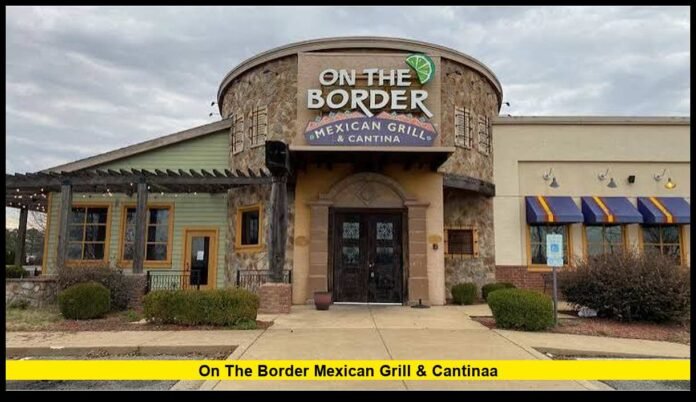

On The Border Mexican Grill & Cantina has undergone a dramatic business upheaval, with all company-owned restaurants closing in June 2026 and its operating company subsequently entering Chapter 7 bankruptcy liquidation. A small number of independently operated franchise restaurants remain, but the brand’s nationwide presence has sharply diminished.
The developments mark a major turning point for a restaurant chain that spent decades serving Tex-Mex favorites across the United States. Customers now face a more limited choice of locations, while the future of the broader restaurant brand remains uncertain.
Corporate Restaurants Shut Down in June 2026
The shutdown began with the closure of company-owned restaurants after service on June 12, 2026. The decision followed a review of the business and ended operations at dozens of locations across the country.
The closures came little more than a year after new ownership had attempted to stabilize the chain. The rapid change surprised many longtime customers, particularly in communities where the restaurants had been established for years.
The business also faced the challenge of maintaining a large restaurant network while dealing with rising expenses and changing consumer spending patterns.
Management said that supporting the operation would require substantial additional investment. Continuing to fund the business would also divert resources from its owner’s other restaurant operations.
The shutdown affected the corporate network rather than every independently operated restaurant carrying the brand’s name. That distinction remains important for diners trying to determine whether a nearby location is still open.
Chapter 7 Bankruptcy Marks a New Phase
On June 19, 2026, OTB Hospitality filed for Chapter 7 bankruptcy liquidation. The filing followed the shutdown of its company-owned restaurants and placed the operating company’s assets into a liquidation process.
Chapter 7 differs from a restructuring process. Rather than allowing the business to reorganize and continue operating under the same arrangement, liquidation involves selling assets and distributing proceeds under bankruptcy rules.
The filing applied to OTB Hospitality, a subsidiary of Pappas Restaurants. It did not mean that Pappas Restaurants itself had entered bankruptcy.
The distinction is significant because Pappas continues to operate other restaurant brands. Its decision to stop funding the On The Border corporate operation reflected the investment required to sustain the business.
How a 2025 Acquisition Failed to Secure a Turnaround
The chain had already experienced serious financial difficulties before Pappas Restaurants acquired it in May 2025.
On The Border filed for Chapter 11 bankruptcy protection in March 2025. That process created an opportunity to sell the business and reorganize its operations.
Pappas Restaurants purchased the chain and sought to improve its performance through operational changes and menu updates. The acquisition initially offered hope that a new owner could stabilize the restaurants and restore customer interest.
Yet the recovery did not last. Continued restaurant closures reduced the chain’s reach, and the corporate operation ultimately shut down.
The sequence illustrates how difficult it can be to revive a large casual-dining business when its costs and revenue fail to support continued investment.
Which Locations Are Still Operating?
A limited number of independently operated franchises remain listed in the brand’s U.S. restaurant directory. These restaurants operate separately from the closed corporate network.
The five U.S. locations listed are:
- Escondido, California: 298 E. Via Rancho Parkway.
- Mira Mesa, California: 10789 Westview Parkway, San Diego.
- Las Vegas, Nevada: 5630 Centennial Center Boulevard.
- Orlando Airport, Florida: 9000 Airport Boulevard.
- Rapid City, South Dakota: 1331 E. North Street.
Franchise restaurants have also operated in South Korea. Their arrangements differ from those of the former U.S. corporate locations.
Customers should check each restaurant’s current hours and available services before visiting. The existence of an online listing does not guarantee that every service remains available.
The Food That Built the Brand’s Reputation
For decades, the restaurant attracted customers with a menu centered on Tex-Mex staples. Fajitas, tacos, enchiladas, quesadillas, nachos, guacamole, and margaritas helped define its identity.
Fajitas were especially recognizable, combining grilled ingredients with tortillas and accompaniments. Other menu choices catered to diners seeking combination plates, shareable appetizers, and filling meals.
The casual format also made the restaurant a popular choice for family dinners and informal group gatherings.
Menu availability, prices, and promotions may now differ between remaining franchise locations. Customers should not assume that every dish or offer associated with the national chain is still available.
What Led to the Restaurant Chain’s Decline?
Several financial and operational pressures contributed to the company’s difficulties.
Higher labor expenses and food costs placed pressure on restaurant margins. Rent, utilities, maintenance, and other expenses also made it harder for individual locations to remain profitable.
Meanwhile, changing consumer behavior affected demand. When dining out becomes more expensive, some households reduce restaurant visits or choose less costly alternatives.
The chain had also closed many restaurants before its final corporate shutdown. Fewer locations meant a smaller operating network, while the cost of maintaining the remaining business continued to require attention and investment.
These challenges formed the backdrop to the company’s bankruptcy proceedings and eventual liquidation.
What Happens Next for the Brand?
The future of the restaurant name remains uncertain. The Chapter 7 process includes the handling of company assets, while developments involving trademarks and other intellectual property may influence what happens next.
However, control of a brand name does not automatically lead to restaurant reopenings. A broader revival would require an operator willing and able to finance locations, staff, supplies, and day-to-day operations.
For now, the independently operated franchises provide a limited continuation of the dining experience. Their presence does not confirm that a nationwide comeback is planned.
The company’s history, meanwhile, reflects a significant shift for a brand founded in Dallas in 1982 and once familiar to customers across many U.S. markets.
The Bottom Line
The corporate shutdown and Chapter 7 filing have reshaped the future of this longtime Tex-Mex chain. Although a handful of franchise locations remain, customers should verify local availability and avoid assuming that closed restaurants will reopen. The next significant development will be whether the brand’s remaining assets lead to a viable operating plan.
What do you think about the future of this Tex-Mex restaurant brand? Share your thoughts in the comments and follow confirmed updates as its story develops.