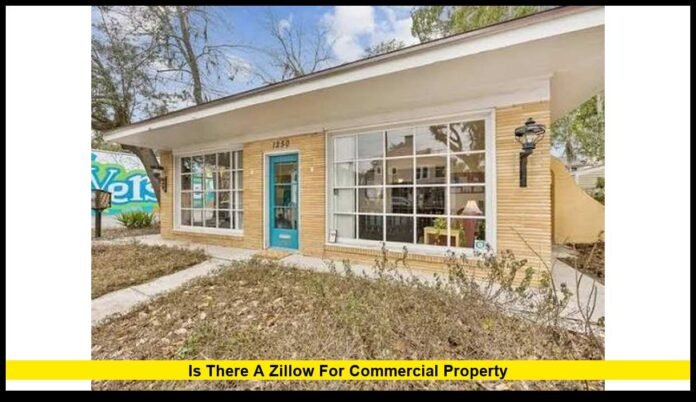

Is there a Zillow for commercial property? Yes, several specialized websites help Americans search for commercial buildings, office spaces, retail stores, warehouses, and investment properties. Platforms such as LoopNet, Crexi, and CommercialCafe provide searchable listings that make it easier to compare available properties and connect with commercial real estate brokers.
These platforms serve a similar purpose to residential property websites, but their features focus on business and investment requirements. Users can explore properties for sale or lease, examine asking prices, review building specifications, and investigate available financial details.
The right platform depends on what you want to accomplish. A business owner searching for a storefront may need different tools than an investor evaluating a multifamily building or a developer looking for commercial land. Understanding the leading websites can help you find relevant listings without wasting time on unsuitable properties.
What Is the Best Zillow Alternative for Commercial Property?
LoopNet is one of the most recognizable commercial real estate marketplaces in the United States. It allows users to search for commercial properties offered for sale or lease across various categories.
Crexi is another important option, particularly for buyers researching investment properties and commercial real estate transactions. CommercialCafe provides additional choices for businesses seeking offices, retail locations, industrial facilities, and coworking spaces.
Several other platforms offer specialized services. CommercialSearch helps users explore commercial listings, while CoStar and Reonomy provide professional property research and intelligence tools.
The leading options include:
- LoopNet: Search for commercial buildings, retail properties, offices, warehouses, and land.
- Crexi: Explore commercial property listings, investment opportunities, and auctions.
- CommercialCafe: Find office space, retail premises, industrial properties, and coworking locations.
- CommercialSearch: Browse additional commercial real estate listings.
- CoStar: Research commercial property markets, buildings, and real estate transactions.
- Reonomy: Investigate property ownership information and identify potential commercial real estate opportunities.
No single platform includes every property available on the market. Comparing several websites can provide a broader view of the options in your preferred location.
Why Commercial Real Estate Needs Its Own Search Platforms
Residential and commercial real estate involve different purchasing decisions. A residential buyer generally considers bedrooms, bathrooms, home condition, neighborhood amenities, and monthly housing expenses.
Commercial buyers and tenants must evaluate additional factors. These may include rental income, operating expenses, tenant agreements, zoning restrictions, occupancy, parking, building access, and potential business revenue.
Consider someone looking for a warehouse. The property’s usefulness may depend on loading facilities, ceiling height, truck access, electrical capacity, and permitted industrial activities.
A retail business has different priorities. Storefront visibility, customer parking, nearby businesses, pedestrian traffic, and local restrictions can influence whether a location meets its needs.
Office tenants may prioritize available floor space, internet infrastructure, meeting rooms, parking, and lease flexibility.
Commercial property websites organize listings around these requirements. Their search filters help users narrow down properties according to location, price, size, and property category.
The information provided still varies by listing. Buyers may need to contact brokers for financial records, detailed floor plans, lease agreements, or other documents.
1. LoopNet: A Leading Commercial Property Marketplace
LoopNet is a practical starting point for people looking to buy or lease commercial real estate. Its marketplace covers a broad range of property categories throughout the United States.
Users can search for available properties by location and type, then review the details provided by the listing broker.
Common categories include:
- Office buildings and office suites
- Retail stores and shopping centers
- Industrial buildings and warehouses
- Multifamily investment properties
- Hotels and hospitality properties
- Commercial development land
- Mixed-use buildings
- Specialty commercial properties
LoopNet can serve both business owners and investors. Someone opening a medical office may search for a suitable commercial suite, while an investor might compare buildings offered for sale.
Individual listings may include photographs, asking prices, square footage, building features, floor plans, and contact information. Some provide more detailed investment information than others.
LoopNet is part of CoStar Group, which also operates commercial real estate research services. However, LoopNet’s primary role is to help users discover properties marketed for sale or lease.
Before pursuing a listing, confirm that the property remains available. Asking prices can change, and advertised terms may not reflect the final negotiated transaction.
For beginners seeking a straightforward way to explore commercial real estate, LoopNet is an excellent place to start.
2. Crexi: A Commercial Property Search Tool for Investors
Crexi provides another way to discover commercial real estate opportunities. The platform supports searches for properties for sale and lease, covering multiple commercial property categories.
It can be particularly useful for investors who want to examine potential acquisitions. Depending on the listing, users may find asking prices, property descriptions, capitalization rates, tenancy information, and investment marketing documents.
Crexi listings can cover:
- Office properties
- Retail buildings
- Industrial facilities
- Warehouses
- Multifamily properties
- Hospitality buildings
- Commercial land
- Mixed-use developments
The platform also offers commercial real estate auction services. These give interested buyers another way to explore properties being marketed through a bidding process.
Auction purchases require careful preparation. Buyers should examine the applicable terms, deposit requirements, deadlines, fees, financing arrangements, and closing conditions before submitting a bid.
Investment information also needs independent review. A capitalization rate displayed in an advertisement does not guarantee the property’s future financial performance.
Investors should evaluate actual income, operating costs, vacancies, lease obligations, and anticipated repairs. They should also understand whether the advertised financial figures represent current performance or projections.
For people searching for a Zillow-style commercial property website, Crexi offers a useful combination of listing discovery and investment-focused information.
3. CommercialCafe: Finding Space for Your Business
CommercialCafe is particularly relevant to people searching for premises to operate a business.
The platform features commercial real estate categories that include office space, retail properties, industrial buildings, and coworking locations. Users can also explore properties marketed for sale.
A company planning to expand into a new city might use the platform to compare office locations. A retailer could search for a storefront, while a small business might investigate coworking options.
Depending on the listing, available information may include:
- Property location and size
- Asking rent or sale price
- Available amenities
- Building descriptions
- Lease details
- Broker contact information
The information varies by property, so users should request additional details when necessary.
CommercialCafe belongs to the broader Yardi commercial real estate listing network. It can complement other marketplaces when users want to compare available spaces across different websites.
Businesses should pay close attention to lease expenses. The advertised rental rate may not include every cost associated with occupying a property.
Depending on the lease, tenants may need to pay additional amounts for maintenance, insurance, taxes, utilities, or common-area expenses.
Before signing, request a complete explanation of rent, additional charges, renewal terms, and maintenance responsibilities.
4. CommercialSearch: Expanding Your Property Options
CommercialSearch provides another avenue for discovering commercial real estate.
Its marketplace can help users explore office buildings, retail spaces, industrial properties, and other commercial opportunities. It is worth checking when a search on another platform produces limited results.
CommercialSearch operates within the broader Yardi commercial listing ecosystem, making it a useful additional resource alongside CommercialCafe.
However, property listings can overlap across websites. Brokers sometimes distribute the same advertisement through multiple platforms to reach a larger audience.
To identify duplicate listings, compare the property’s address, asking price, square footage, photographs, and broker information.
A listing appearing on several websites does not necessarily mean that multiple separate properties are available. Confirm the current status with the listing representative before arranging a visit.
5. CoStar: Professional Commercial Real Estate Information
CoStar is designed more for commercial real estate research and professional analysis than for casual property browsing.
Its services provide information about commercial buildings, transactions, leasing activity, and market conditions. Brokers, investors, appraisers, and other industry professionals use commercial real estate data to evaluate markets and property opportunities.
For someone searching for a single retail unit, a professional research subscription may be unnecessary. Investors evaluating a portfolio of buildings may need more detailed information.
This distinction is important because locating a property and assessing its investment potential are separate tasks.
A listing marketplace helps users discover available properties. A professional research platform can provide additional information for comparing buildings, understanding market activity, and evaluating potential investments.
CoStar generally operates through paid professional services. Prospective users should consider the cost and available features before deciding whether a subscription fits their needs.
6. Reonomy: Researching Commercial Property Owners
Reonomy serves people who need information beyond publicly advertised commercial listings.
Its property intelligence tools help commercial real estate professionals research buildings, ownership information, transaction records, and potential contacts.
This can be useful for investors looking for potential off-market opportunities. An off-market property is generally one that is not being publicly marketed for sale through a conventional listing.
Investors may use property research to identify buildings that fit their criteria and then investigate whether an owner would consider a sale.
However, identifying a property owner does not mean the owner intends to sell. Ownership records may also list a company or legal entity rather than an individual.
Users should verify important information through relevant public records and conduct appropriate legal and financial due diligence.
Reonomy is best viewed as a commercial property research tool rather than a direct replacement for a traditional listing marketplace.
Which Commercial Real Estate Website Should You Choose?
The best website depends on your objective, the property type, and the level of research you need.
| Website | Recommended use | Key advantage |
|---|---|---|
| LoopNet | Buying or leasing commercial property | Broad commercial listing marketplace |
| Crexi | Investment property searches | Listing discovery and auction opportunities |
| CommercialCafe | Finding business premises | Office, retail, industrial, and coworking searches |
| CommercialSearch | Exploring additional listings | Another source for commercial property searches |
| CoStar | Professional market analysis | Commercial real estate data and research |
| Reonomy | Ownership and property research | Property intelligence and prospecting |
For most people starting their search, LoopNet and Crexi are useful first choices. CommercialCafe is another strong option when the goal is to find space for a business.
Professional investors who need more detailed market information may benefit from specialized research tools.
Before purchasing a subscription, check the current service terms and determine whether the information available meets your requirements.
Can You Find Commercial Property Online for Free?
Yes. Several commercial real estate platforms offer public searches that allow users to browse listings without purchasing a professional research subscription.
Users can explore available properties, compare basic details, and contact brokers to request additional information.
However, some advanced tools and services may require payment. These can include specialized market data, professional subscriptions, premium listing services, and certain auction-related features.
Free access also does not guarantee complete information about every property. Some listings may display only basic details, while others require users to contact the broker for financial documents or lease information.
If you are looking for a small office or retail location, public listing websites may provide enough information to begin your search.
Investors evaluating multiple buildings may need additional records, professional advice, or more detailed market analysis.
Start with the available public listings and consider paid services only when they provide information that materially improves your decision.
How to Find the Right Commercial Property
Searching for commercial property becomes easier when you define your requirements before browsing websites.
Step 1: Determine your property requirements.
Decide whether you need an office, retail store, warehouse, industrial building, multifamily property, commercial land, or another type of real estate.
Your intended use will determine which property features matter most.
Step 2: Set your preferred location.
Search by city, ZIP code, neighborhood, or address. Consider access to customers, employees, suppliers, transportation, and nearby businesses.
For a retail business, visibility and customer access may be important. A warehouse operator may prioritize major roads and freight access.
Step 3: Establish your budget.
For a purchase, include the asking price, financing costs, closing expenses, repairs, insurance, taxes, and ongoing maintenance.
For a lease, clarify the rental rate and determine whether it is quoted monthly, annually, or per square foot per year.
Ask about additional operating expenses before comparing properties.
Step 4: Compare listing details.
Examine square footage, building condition, parking, amenities, occupancy, permitted uses, and other property-specific requirements.
For investment properties, review rental income, operating expenses, tenant agreements, vacancy rates, and the assumptions behind advertised returns.
Step 5: Contact the broker.
Confirm availability and request documents that are not included in the listing. Depending on the property, these may include floor plans, lease information, financial statements, or an offering memorandum.
Ask specific questions about the property’s condition, current tenants, lease obligations, and potential restrictions.
Step 6: Complete due diligence.
Before purchasing, investigate the property’s legal status, zoning, physical condition, financial performance, and suitability for your intended use.
Before leasing, review the contract carefully. Pay attention to rent increases, renewal options, maintenance responsibilities, permitted activities, and termination provisions.
A property website can help you identify opportunities, but a listing alone cannot establish whether a property is a sound investment or a suitable business location.
Why Some Commercial Properties Do Not Appear in Search Results
Commercial real estate listings are distributed across different websites, brokerage networks, and regional systems.
Some property owners choose private marketing instead of publicly advertising their buildings. Others work with brokers who approach selected buyers.
Listings also change over time. A property may sell, become leased, receive a price adjustment, or leave the market before every website updates its information.
In some cases, sellers or brokers provide detailed documents only after a prospective buyer expresses serious interest or signs a confidentiality agreement.
To improve your search, use multiple marketplaces and contact commercial brokers who specialize in your preferred location and property category.
Public property records may also help verify ownership and other details, depending on the jurisdiction.
Frequently Asked Questions
Is there a Zillow for commercial property?
Yes. LoopNet, Crexi, and CommercialCafe are among the main alternatives for finding commercial properties for sale or lease in the United States.
Does Zillow offer commercial property listings?
Zillow primarily focuses on residential real estate. People searching for commercial buildings, warehouses, offices, and retail spaces should use dedicated commercial property websites.
What is the best website to buy commercial real estate?
LoopNet and Crexi are useful starting points for finding publicly marketed commercial properties. The best platform depends on the location, property type, and information required.
Where can I search for commercial property to rent?
LoopNet, Crexi, and CommercialCafe provide searches for commercial spaces for lease. Listings can include offices, storefronts, warehouses, and industrial facilities.
Are commercial real estate websites free to use?
Several platforms allow free browsing of public listings. Some advanced data services, professional research tools, and other features may require payment.
How do I find out who owns a commercial property?
County assessor offices, property appraiser websites, and recorder or register of deeds offices may provide ownership records. Availability depends on local public-record systems.
Can I find commercial property that is not listed for sale?
Yes. Property research tools and commercial brokers can help identify potential off-market opportunities. However, an owner must be willing to consider selling, and the buyer must verify the property’s details.
Are LoopNet and Crexi owned by the same company?
No. LoopNet belongs to CoStar Group, while Crexi operates a separate commercial real estate marketplace.
Conclusion
Finding commercial real estate online is easier when you use platforms designed specifically for business properties and investment opportunities. LoopNet and Crexi are useful starting points for buying or leasing commercial buildings, while CommercialCafe helps users explore offices, retail premises, industrial properties, and coworking spaces. CoStar and Reonomy provide additional options for more specialized property research.
The key is to compare multiple listings, confirm current availability, and carefully examine each property’s financial, legal, and practical requirements before making a decision.
Which commercial property website would you use to find your next investment or business location? Share your thoughts in the comments and keep up with the latest commercial real estate developments.