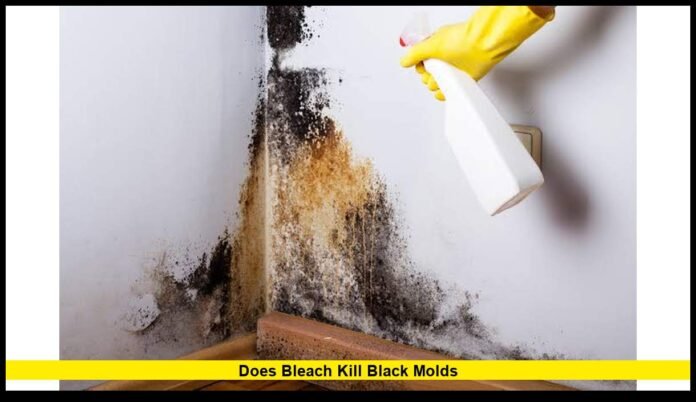

Homeowners dealing with dark patches on bathroom walls, basement surfaces, or window frames often ask, does bleach kill black mold effectively enough to solve the problem? The answer is more complicated than a simple yes or no. Although household bleach can kill certain types of mold on suitable hard surfaces, it may not eliminate growth hidden inside porous building materials. Understanding its limitations can help homeowners avoid ineffective cleaning methods and prevent mold from returning.
Why Bleach Is Not Always the Best Solution
Bleach is widely used for household disinfection, but removing mold involves more than applying a chemical to a discolored area. Mold can grow on surfaces and penetrate materials that retain moisture, including drywall, wood, ceiling tiles, and carpet padding.
When bleach is applied to these materials, it may lighten the visible stain without reaching all the growth beneath the surface. This can create the impression that the problem has disappeared when contamination may remain.
Bleach also does not repair leaks, eliminate condensation, or correct poor ventilation. Without addressing these conditions, mold can develop again, even after the affected area has been cleaned.
For many household situations, removing visible growth with an appropriate cleaning method and thoroughly drying the material are more important than relying on a disinfectant alone.
Where Bleach Can Help Remove Mold
Bleach may be useful for certain mold problems involving nonporous surfaces, such as glass and glazed tile. These materials generally allow surface contamination to be removed more easily than absorbent building products.
However, bleach is not automatically necessary. Detergent and water are often sufficient for cleaning visible mold from appropriate hard surfaces.
The correct method depends on the material, the cleaning product, and the extent of contamination. Homeowners should always follow product instructions and avoid using chemicals on surfaces that could be damaged.
Bleach should never be mixed with vinegar, ammonia, or other cleaning products. Such combinations can release dangerous gases and create serious inhalation hazards.
Why Dark Mold Stains Can Be Misleading
Black or dark green patches are commonly described as black mold, but color alone cannot identify a specific mold species. Several different types of mold can appear dark, and identifying the organism usually requires laboratory analysis.
One species associated with the term is Stachybotrys chartarum. It can grow on cellulose-containing materials when they remain wet for extended periods. Nevertheless, not every dark patch found indoors belongs to this species.
The appearance of a stain also does not reliably establish whether mold is alive or whether a surface has been adequately cleaned. A chemical may lighten discoloration while leaving material behind, and staining can sometimes remain after successful cleaning.
The practical priority is to address visible growth and the moisture conditions supporting it rather than relying on color or appearance to judge the problem.
What Homeowners Should Do About Mold on Drywall
Drywall requires particular attention because its paper facing can support mold growth when exposed to prolonged moisture.
If a pipe leaks behind a wall or water enters through a damaged roof, contamination may extend beyond the visible surface. Spraying bleach onto the wall cannot reliably reach mold growing inside the material.
Drywall that is extensively affected, swollen, crumbling, or persistently damp may need to be removed and replaced. The surrounding area should also be inspected for moisture damage before repairs begin.
Simply painting over a stained wall is not an effective solution. Any necessary cleaning or removal should happen first, and the underlying leak or condensation problem must be corrected.
For substantial contamination or suspected growth inside wall cavities, professional assessment can help determine which materials can be salvaged and which require replacement.
How to Clean Mold From Bathrooms and Tile
Bathrooms are particularly vulnerable because showers, sinks, and tubs generate moisture regularly. Poor ventilation can leave walls, grout, and corners damp enough for mold to develop.
For small areas on suitable hard surfaces, homeowners can generally begin by cleaning with detergent and water. Use a material-appropriate cleaning method, remove the residue, and dry the surface completely.
Bleach may be considered for certain compatible surfaces, but it should be used only according to its label. Applying increasingly concentrated amounts does not guarantee better results and can increase the risk of irritation or damage.
Recurring growth around caulk, grout, or shower fixtures may indicate persistent moisture or deterioration. Damaged sealant may need replacement after the affected area has been properly cleaned and dried.
If mold repeatedly appears behind tiles or around a shower enclosure, hidden water intrusion may require further investigation.
Health Concerns Associated With Indoor Mold
Indoor mold can cause health problems, particularly for people with allergies, asthma, or other respiratory sensitivities. Possible symptoms include sneezing, nasal congestion, irritated eyes, skin irritation, coughing, and wheezing.
Exposure does not affect everyone equally. Individual sensitivity, the extent of exposure, and existing medical conditions can influence the response.
The color of a mold patch cannot determine its toxicity or the severity of the health risk. Homeowners should not assume that all dark mold is exceptionally dangerous, but visible indoor growth should still be addressed.
People with weakened immune systems or significant respiratory conditions should avoid handling contaminated materials when possible. Anyone experiencing persistent symptoms should consult a healthcare professional.
Routine mold testing is generally unnecessary when visible growth is already present. Removing the contamination and resolving the moisture problem are usually the immediate priorities.
When Professional Mold Removal Is Necessary
Small areas of surface mold may be manageable through careful household cleaning. Larger or more complicated problems can require specialized equipment, containment, and removal procedures.
The Environmental Protection Agency uses approximately 10 square feet as a general threshold for considering professional mold remediation. This is a guideline rather than an absolute rule, and the circumstances can make professional assistance necessary even for smaller areas.
Consider expert help when mold covers a substantial area, appears inside walls, follows flooding or sewage damage, or may have entered a heating and cooling system.
Professional assistance is also appropriate when building materials have deteriorated or contamination continues returning despite reasonable cleaning and repairs.
A qualified remediation professional should investigate the source of moisture and determine how to remove affected materials safely. A chemical treatment alone may be inadequate when contamination extends into hidden spaces.
Preventing Mold From Returning
Moisture control is the foundation of effective mold prevention. Indoor humidity should ideally remain at or below 50% when practical, and a dehumidifier may help in damp basements or humid rooms.
Homeowners should repair plumbing leaks promptly, inspect roofs and windows for water intrusion, and use exhaust fans that vent bathroom moisture outdoors.
After leaks or flooding, remove standing water and dry affected materials quickly. Drying within 24 to 48 hours, when feasible, can help reduce the likelihood of mold developing.
Carpets, insulation, drywall, and other absorbent materials that cannot be adequately cleaned and dried may need to be discarded.
Regularly inspecting basements, bathrooms, laundry rooms, and areas beneath sinks can also help identify moisture problems before they become extensive.
The Bottom Line
Bleach can kill some mold on suitable hard surfaces, but it is not a dependable universal treatment for mold throughout a home. Its limitations become especially important when contamination involves porous materials or hidden water damage.
Effective cleanup requires removing visible growth, dealing appropriately with contaminated materials, and correcting the conditions that allow mold to thrive. When growth is extensive or difficult to access, professional remediation may be the safest approach.