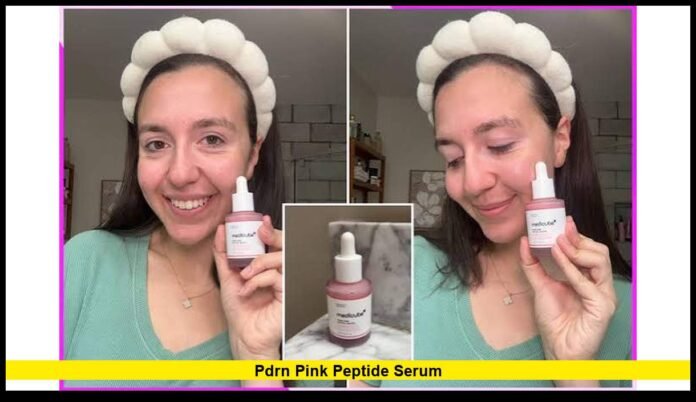

The pdrn pink peptide serum trend is attracting growing interest among American skincare consumers seeking brighter-looking skin, improved hydration, and a smoother complexion. The product category combines PDRN, peptides, and other cosmetic ingredients in lightweight facial formulas, reflecting a broader shift toward Korean beauty products that promise multiple skincare benefits in a single step.
Why PDRN Serums Are Becoming Popular
Korean skincare has developed a strong following in the United States, particularly among consumers interested in innovative ingredients and routines focused on maintaining healthy-looking skin. PDRN has emerged as one of the ingredients generating curiosity because of its association with tissue repair and skin rejuvenation research.
Social media discussions have helped introduce the ingredient to a wider audience. Beauty enthusiasts are exploring products that combine PDRN with familiar ingredients such as niacinamide, hyaluronic acid, and peptide complexes.
Medicube is among the brands associated with the trend. Its PDRN Pink Peptide Serum is marketed for concerns including uneven skin tone, dryness, dullness, and the appearance of reduced skin elasticity.
The growing popularity of these products also reflects a consumer preference for skincare routines that prioritize hydration and a natural-looking glow rather than relying exclusively on intensive treatments.
However, popularity does not automatically establish effectiveness. Consumers still need to understand the ingredients, realistic results, and limitations of topical formulations.
Understanding PDRN and Its Role in Skincare
PDRN stands for polydeoxyribonucleotide, a material consisting of DNA fragments that have been studied for their potential biological effects.
Some PDRN preparations used in medical research have been derived from salmon DNA. Researchers have investigated their potential roles in tissue repair and other biological processes, creating interest in their possible cosmetic applications.
Topical skincare products introduce a different set of considerations. A serum must interact with the skin’s outer barrier, which limits the penetration of many substances. Consequently, findings from injectable treatments cannot automatically be applied to products designed for everyday facial use.
Emerging research on certain topical PDRN preparations has begun examining skin delivery and potential effects on photoaged skin. Although these developments are encouraging, findings from a particular formulation do not prove that every commercially available serum delivers comparable results.
The concentration, molecular characteristics, delivery method, and complete formulation may all influence performance.
For consumers, the most practical approach is to evaluate the finished product rather than relying solely on the scientific interest surrounding one ingredient.
Peptides and Niacinamide Add to the Formula
PDRN is only one component of the skincare formulas driving this trend. Peptides and niacinamide also play important roles in many products marketed for skin smoothness and radiance.
Peptides and skin appearance
Peptides are short chains of amino acids used in cosmetic products targeting the visible signs of aging. Certain peptides have been investigated for their ability to influence skin-related processes, while others are primarily used for their conditioning properties.
Their effects vary according to the peptide, concentration, formulation, and available evidence. The presence of a peptide complex does not guarantee a measurable increase in collagen or the elimination of wrinkles.
Niacinamide and uneven skin tone
Niacinamide, a form of vitamin B3, has a more established place in topical skincare. It can help support the skin barrier, improve the appearance of uneven pigmentation, and reduce the visible effects of dryness.
When combined with moisturizing ingredients, niacinamide may contribute to a brighter and more balanced complexion over time.
Hydrating ingredients
Ingredients such as glycerin and hyaluronic acid attract water and help improve surface hydration. Better hydration can make skin feel softer and temporarily reduce the visibility of fine lines caused by dryness.
Together, these ingredients can make a serum useful for everyday cosmetic care, even though their individual benefits should not be confused with proven regenerative effects.
What Benefits Can Consumers Realistically Expect?
The most reasonable expectations center on hydration, skin comfort, and improvements in the appearance of the complexion.
A suitable serum may help reduce the feeling of tightness associated with dehydration. Moisturized skin can also appear plumper and smoother, particularly when dryness makes fine lines more noticeable.
Some formulations may help improve dullness and uneven-looking skin tone through ingredients such as niacinamide. Peptides and other conditioning agents may complement these effects.
Results vary from person to person. Skin type, existing concerns, product formulation, and consistency of use all influence the outcome.
Consumers should be cautious about claims promising dramatic rejuvenation within a few days. A temporary glow is not the same as a lasting structural change in the skin.
People concerned about pronounced wrinkles, persistent pigmentation, or acne scarring may benefit from discussing established treatment options with a dermatologist.
How to Incorporate the Serum Into a Daily Routine
Using a new facial serum does not require an elaborate skincare regimen. A straightforward routine can help consumers evaluate the product without introducing too many variables.
Morning routine
Begin with a gentle cleanser, followed by the serum according to its label directions. Apply a moisturizer if needed, then finish with broad-spectrum sunscreen offering SPF 30 or higher.
Sunscreen remains particularly important for preventing additional UV-related skin damage and helping manage uneven pigmentation.
Evening routine
Cleanse the face to remove makeup, sunscreen, and daily buildup. Apply the serum as directed and follow with a moisturizer appropriate for your skin type.
People who already use retinoids or exfoliating acids should introduce new products gradually. Adding several active ingredients simultaneously can increase irritation and make it difficult to determine which product is responsible.
A patch test may help identify some reactions, although it cannot eliminate the possibility of irritation or an allergic response.
Salmon-Derived and Vegan PDRN Options
Another consideration for shoppers is the source of the DNA-related ingredient.
Some products contain salmon-derived PDRN, while certain newer formulations use plant-derived ingredients marketed as vegan PDRN. Medicube offers salmon DNA and rose PDRN options within its product range.
The distinction matters to consumers with ethical preferences or concerns about animal-derived ingredients. However, the term vegan does not automatically mean a product is more effective or suitable for sensitive skin.
The complete ingredient list should be reviewed before purchasing either version. Formulations may differ beyond the headline ingredient, including in their moisturizing agents, peptides, preservatives, and fragrance components.
People with fish allergies should exercise particular caution with salmon-derived products and seek professional advice when uncertain about potential exposure.
Potential Side Effects and Important Precautions
Most cosmetic serums are designed for external use, but individual reactions remain possible. Redness, itching, burning, dryness, or breakouts can occur depending on the formula and the user’s sensitivities.
Consumers with reactive skin should check ingredient labels carefully, particularly for fragrance and other substances that have caused problems in the past.
The product should not be applied to broken or severely irritated skin. It should also not be used with microneedling or on freshly treated skin unless a qualified professional confirms that the specific formulation is appropriate.
Persistent irritation warrants discontinuing the product. Severe swelling or breathing difficulties require immediate medical attention.
It is also important to distinguish cosmetics from medical treatments. Injectable PDRN should not be assumed to have the same regulatory status, risks, or benefits as an ordinary facial serum.
Is the Product Worth Considering?
For consumers primarily interested in moisture, softness, and a refreshed appearance, the category may be worth exploring. The value depends on the complete formula, the price, and how well the product fits an individual’s skincare needs.
The original Medicube formula has been listed by the brand in the United States at around $24 to $26, although prices and promotional offers can change.
Before purchasing, shoppers should compare the ingredient list with less expensive moisturizing serums and consider whether the product addresses a specific concern.
A well-formulated product can be useful without delivering every benefit suggested by its marketing. Consumers should prioritize established skincare fundamentals, including gentle cleansing, appropriate moisturization, and daily sun protection.
The Outlook for PDRN in the Beauty Industry
Interest in PDRN illustrates how ingredients first associated with medical research can influence consumer skincare trends. As research into topical delivery develops, scientists may gain a clearer understanding of which formulations provide meaningful benefits and under what conditions.
For now, evidence remains dependent on the particular preparation being studied. Results involving specialized experimental formulations cannot establish the effectiveness of an entire product category.
Consumers can approach the trend with informed expectations: hydration and a smoother appearance are reasonable cosmetic goals, while dramatic regeneration claims deserve closer scrutiny.
The continued interest in peptide complexes, barrier-supportive ingredients, and innovative Korean formulations suggests that multifunctional serums will remain an important part of the skincare conversation.