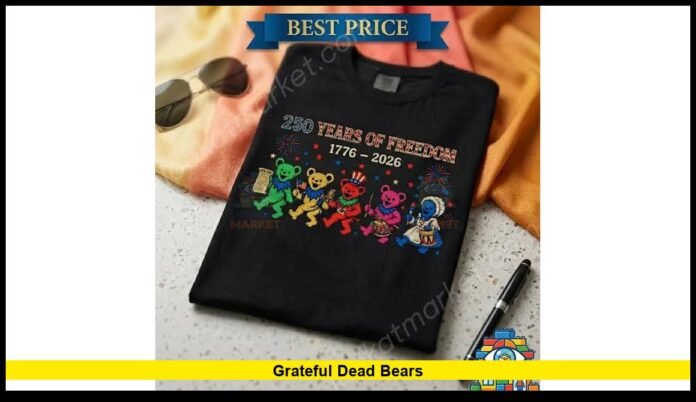

Grateful Dead Bears remain one of the most recognizable images in American music culture, and their popularity continues to grow in 2026. The colorful bear illustrations appear on officially licensed clothing, collectibles, home décor, artwork, and memorabilia, introducing new generations to the legendary legacy of the Grateful Dead. While longtime fans instantly recognize the cheerful characters, many people still wonder where they came from, why they are associated with the band, and what they truly represent.
More than five decades after their debut, the bears have become much more than album artwork. They now symbolize creativity, community, and the lasting influence of one of America’s most celebrated rock bands. Whether spotted on vintage concert shirts, modern fashion collections, or festival accessories, these famous bears continue to stand out as timeless pieces of music history.
How the Grateful Dead Bears First Appeared
The story of the Grateful Dead Bears began in 1973 with the release of History of the Grateful Dead, Volume One (Bear’s Choice). The artwork on the album’s back cover featured a row of colorful cartoon bears that quickly caught the attention of fans.
The illustration was created by artist Bob Thomas as part of the album’s visual design. The project honored Owsley “Bear” Stanley, an influential member of the Grateful Dead family whose nickname inspired the album’s title. Stanley played an important role during the band’s early years, contributing both technical expertise and support that helped shape their live performances.
Although the original artwork showed the bears marching, fans gradually began calling them the “Dancing Bears.” That nickname has remained popular ever since and is now widely recognized across music culture.
Why the Bears Became So Famous
Many bands have memorable logos, but few symbols have achieved the widespread recognition enjoyed by the Grateful Dead Bears.
Their popularity comes from several factors:
- Bright, eye-catching colors
- Friendly cartoon appearance
- Simple yet distinctive design
- Easy recognition from a distance
- Strong connection to the Grateful Dead community
The artwork appeals not only to devoted Deadheads but also to people who appreciate classic American rock culture, colorful graphics, and vintage-inspired fashion.
Over the years, the bears have appeared on countless products, helping the design reach audiences well beyond the band’s original fan base.
Are They Really Dancing?
One of the most common questions involves whether the famous bears are actually dancing.
The answer depends on perspective.
The original illustration depicts bears walking or marching in a line. However, because each bear raises one foot while swinging its arms, the figures create the impression of dancing. Fans quickly embraced that interpretation, giving rise to the now-famous nickname.
Today, both descriptions remain common, although many longtime collectors still enjoy pointing out the artwork’s original marching concept.
Who Was Owsley “Bear” Stanley?
Understanding the Grateful Dead Bears also means understanding the man who inspired them.
Owsley Stanley became one of the most influential figures connected with the Grateful Dead during the band’s early years. Known simply as “Bear,” he made lasting contributions to their live sound and recording quality.
His work included:
- Supporting the band’s early development
- Improving concert audio
- Recording live performances
- Helping develop innovative sound systems
The 1973 album honored his contributions, and the bear illustration soon became inseparable from the Grateful Dead’s visual identity.
What the Bears Represent Today
Unlike many famous logos that have a single official meaning, the Grateful Dead Bears have developed different interpretations over time.
For many fans, they represent:
- Musical freedom
- Friendship
- Artistic expression
- Optimism
- Community
- Adventure
- Live performances
- Shared experiences
Their cheerful appearance makes them approachable, allowing people to connect with the artwork in personal ways.
That flexibility has helped the bears remain relevant across generations.
A Symbol That Crossed Generations
When the bears first appeared during the early 1970s, no one expected them to become lasting cultural icons.
Today, younger audiences continue discovering the design through fashion, streaming music platforms, social media, and licensed merchandise.
Many people first encounter the artwork long before listening to a Grateful Dead song. Once they learn the history behind the bears, they often develop a deeper appreciation for both the artwork and the band’s influence on American music.
Official Merchandise Keeps the Legacy Alive
The Grateful Dead Bears continue appearing on officially licensed merchandise in 2026.
Popular items include:
- Graphic T-shirts
- Hooded sweatshirts
- Hats
- Socks
- Tote bags
- Coffee mugs
- Water bottles
- Blankets
- Posters
- Phone cases
- Stickers
- Holiday ornaments
These products allow longtime fans to celebrate the band’s legacy while introducing the artwork to new audiences.
Licensed merchandise also helps preserve the authenticity of the famous design, ensuring that collectors can identify official products.
Vintage Collectibles Remain Highly Desirable
Collectors continue searching for original Grateful Dead memorabilia featuring the iconic bears.
Some of the most sought-after items include:
- Early concert shirts
- Original album pressings
- Vintage posters
- Tour merchandise
- Promotional displays
- Rare apparel
- Classic tie-dye clothing
The condition of an item often plays a major role in its collectible value. Older pieces that remain in excellent shape are especially attractive to collectors.
Interest in vintage rock memorabilia has remained strong in recent years, keeping Grateful Dead collectibles in demand.
The Bears in Fashion
The Grateful Dead Bears have become an important part of vintage American fashion.
Graphic apparel inspired by the artwork appears in:
- Streetwear collections
- Festival clothing
- Casual everyday outfits
- Retro fashion lines
Their colorful appearance makes them especially popular during music festivals and outdoor events.
Fashion designers have also embraced vintage-inspired graphics, helping introduce the bears to younger consumers who appreciate classic rock aesthetics.
The Connection to Deadhead Culture
For generations, Deadheads have viewed the bears as a symbol of belonging.
Fans frequently wear bear-themed clothing at:
- Concerts
- Music festivals
- Fan gatherings
- Community events
The artwork often serves as an instant conversation starter among people who share an appreciation for the band’s music and history.
Unlike many commercial logos, the bears represent a broader cultural experience centered around live music, creativity, and community.
The Role of the Bears in Home Décor
The popularity of the bears now extends well beyond clothing.
Many fans decorate their homes with Grateful Dead-inspired artwork.
Popular home items include:
- Framed prints
- Canvas art
- Throw pillows
- Blankets
- Wall clocks
- Kitchen accessories
- Decorative signs
These products allow fans to display their appreciation year-round rather than only at concerts.
Why the Design Has Endured
The Grateful Dead Bears have remained popular because the artwork feels timeless.
Several qualities contribute to their lasting success:
Simple Design
The bears are easy to recognize even from a distance.
Bright Colors
The rainbow-inspired palette creates immediate visual appeal.
Positive Personality
Their smiling faces and playful posture communicate happiness and energy.
Strong Musical Heritage
The connection to one of America’s most influential rock bands gives the artwork lasting cultural importance.
Broad Appeal
People do not have to be lifelong Grateful Dead fans to enjoy the design.
These factors continue attracting both experienced collectors and first-time buyers.
Common Misunderstandings
Despite their popularity, several myths still surround the bears.
They Were Created During the 1960s
The famous illustration actually debuted in 1973.
Every Bear Has an Official Name
Fans sometimes assign nicknames, but there is no official naming system.
The Bears Represent Only One Meaning
The artwork has never been limited to a single interpretation. Different fans connect with it in different ways.
The Bears Are Separate From the Band
The design has become one of the Grateful Dead’s most recognizable visual symbols and remains closely connected with the band’s legacy.
How the Bears Compare With Other Grateful Dead Artwork
The Grateful Dead created several famous visual symbols throughout their history.
Among the best known are:
| Symbol | Importance |
|---|---|
| Grateful Dead Bears | Joyful mascot recognized worldwide |
| Steal Your Face logo | Signature band emblem |
| Lightning bolt | Classic Grateful Dead identity |
| Skull artwork | Frequently associated with album covers and merchandise |
| Roses | Popular decorative element in Grateful Dead artwork |
Together, these designs have helped create one of the most recognizable visual identities in rock music.
Continuing Popularity in 2026
The Grateful Dead Bears remain highly visible across American pop culture in 2026.
Collectors continue seeking vintage items, while officially licensed merchandise introduces the artwork to new audiences every year. Music fans regularly wear bear-themed apparel at concerts, festivals, and community events, demonstrating the enduring appeal of the design.
Online marketplaces continue offering both modern collectibles and vintage memorabilia, reflecting sustained interest from buyers across different generations. Meanwhile, artists, designers, and apparel companies frequently incorporate the colorful bears into licensed collections that celebrate the band’s remarkable history.
The bears have successfully transitioned from album artwork into a lasting cultural symbol without losing their original charm.
Why the Grateful Dead Bears Still Matter
The Grateful Dead Bears represent much more than a memorable illustration. They reflect decades of musical history, artistic creativity, and a fan community that continues to celebrate the band’s influence across the United States. From their beginnings on the Bear’s Choice album to their place on modern apparel, collectibles, and artwork, the bears have become one of the most recognizable icons in American entertainment.
As interest in vintage music culture continues to thrive, these colorful characters remain a favorite among collectors, longtime Deadheads, and younger fans discovering the Grateful Dead for the first time. Their timeless design, rich history, and positive spirit ensure they will continue inspiring music lovers for years to come.
What do the Grateful Dead Bears mean to you? Share your thoughts and favorite memories in the comments, and stay tuned for more stories celebrating iconic moments in music history.