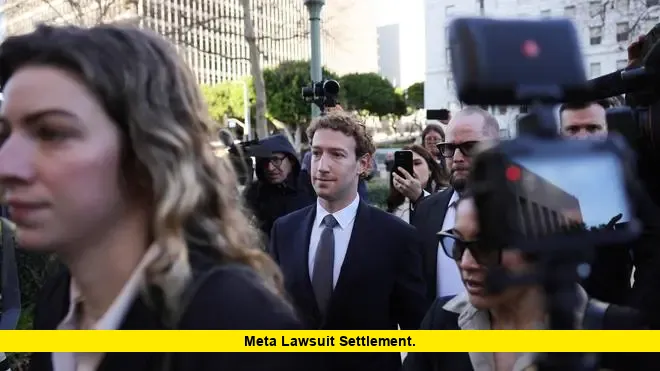

Meta is facing a major new development in its legal battle over the alleged effects of social media on young users. The latest Meta lawsuit settlement could require Meta Platforms to pay up to $16.68 billion to resolve claims brought by 29 U.S. states over alleged harms involving children and teenagers on Facebook and Instagram. The agreement was reached as a federal trial was underway in California and comes after months of escalating legal pressure on the company.
The settlement represents one of the largest financial resolutions involving social media and child-safety allegations. It also includes proposed changes to how Meta’s platforms handle younger users, making the agreement important not only financially but also for the future design and operation of Facebook and Instagram.
What the Meta Lawsuit Settlement Involves
The reported settlement resolves litigation in which state attorneys general accused Meta of designing Facebook and Instagram in ways that encouraged excessive or addictive use among children and teenagers.
The allegations included claims that Meta:
- Designed platform features that could encourage prolonged engagement among young users.
- Failed to adequately protect children from potentially harmful experiences.
- Misled users and the public about the safety of its platforms.
- Collected personal information from children under 13 without the required parental consent.
- Did not do enough to identify and remove underage users from its services.
Meta has denied wrongdoing in the litigation. The settlement is therefore not the same as a court finding that every allegation against the company was proven.
The reported agreement calls for Meta to pay up to $16.68 billion to the participating states. The use of the word “up to” is important because the final financial obligation can depend on the terms and conditions of the settlement.
Why the Settlement Is So Significant
The size of the Meta lawsuit settlement reflects the extraordinary scale of the legal pressure facing major social media companies over youth safety.
For years, state and federal authorities, parents, researchers and other groups have raised concerns about the effects of social media on young people. The legal arguments have increasingly focused not simply on what users encounter on a platform but on how the platforms themselves are designed.
That distinction is central to the broader debate.
The lawsuits involving Meta have alleged that engagement-driven features can encourage young users to remain online longer than they otherwise might. State officials have argued that the company knew about potential risks while continuing to operate products designed to maximize engagement.
Meta, meanwhile, has maintained that it has invested heavily in safety measures and has disputed claims that its services are responsible for the alleged harms in the way described by its opponents.
The settlement now moves that dispute toward a negotiated resolution in the participating litigation rather than leaving the entire matter to a trial verdict.
What Changes Could Affect Teen Users
The reported agreement is not limited to money. Meta is also expected to make changes aimed at strengthening protections for teenagers.
Among the measures reported as part of the settlement are new restrictions involving daily usage limits and nighttime access for teens. The agreement is also expected to strengthen age-verification practices and parental controls.
These changes could become particularly important because earlier safety tools often depended on users or parents actively enabling them.
A shift toward more automatic restrictions would represent a different approach. Instead of relying entirely on teenagers to recognize excessive use and voluntarily step away, certain protections could become part of the platform’s default experience.
The precise rollout, timing and technical details of the changes remain important issues to watch as the settlement moves forward.
How the Case Reached This Point
The legal dispute did not emerge suddenly. State attorneys general began investigating Meta’s treatment of younger users several years ago, with California and other states eventually pursuing litigation alleging violations of consumer-protection and children’s privacy laws.
The coalition’s case argued that Meta’s products were deliberately engineered to maintain engagement among young users and that the company did not adequately address the consequences.
The litigation also involved the federal Children’s Online Privacy Protection Act, commonly known as COPPA. The law generally imposes requirements on companies collecting personal information from children under 13, including requirements involving parental consent.
California officials had previously secured significant rulings allowing the case to proceed. In June, a federal court rejected Meta’s attempt to obtain summary judgment that would have ended the lawsuit before trial.
By August, the dispute had reached a high-profile federal trial in Oakland, California.
Testimony Added to the Pressure on Meta
The settlement follows a trial in which testimony and internal company information became central to the states’ allegations.
Instagram head Adam Mosseri testified shortly before the settlement announcement. His testimony focused partly on Meta’s “Take a Break” feature, which was designed to encourage young users to step away from the platform after spending significant time on it.
The litigation also featured testimony from former Meta safety engineer Arturo Béjar, who raised concerns about the company’s handling of young users and safety issues.
The states used such testimony to argue that Meta had been aware of risks affecting young people. Meta has disputed those interpretations and defended its broader efforts to improve safety.
The timing of the settlement means the public trial record will remain an important part of understanding the allegations even though the case has moved toward resolution.
Meta Had Already Faced Major Child-Safety Penalties
The Meta lawsuit settlement comes after the company suffered another significant legal setback in New Mexico.
Earlier this month, a state court ordered Meta to pay an additional $567 million in a case concerning alleged harms to young people. That amount came on top of a $375 million civil penalty previously awarded by a jury, bringing the company’s financial exposure in that New Mexico case to approximately $942 million.
The New Mexico court also imposed requirements intended to make Facebook and Instagram safer for young users.
That ruling added to the pressure on Meta as the multistate federal trial moved forward.
The developments demonstrate that the $16.68 billion settlement is part of a much larger legal environment surrounding social media companies and youth safety rather than an isolated lawsuit.
The Settlement Does Not Mean Meta Admitted Wrongdoing
One of the most important points for readers following the Meta lawsuit settlement is the distinction between settling allegations and being found liable after a trial.
Meta has denied the allegations brought against it. The reported settlement does not amount to a blanket admission that the company intentionally harmed children or violated every law cited by the states.
Settlements are often reached because both sides want to avoid the risks, costs and uncertainty associated with continuing litigation.
For the states, the agreement can provide financial recovery and enforceable changes without waiting for a potentially lengthy trial and appeals process. For Meta, a settlement can limit the uncertainty associated with potentially much larger damages and additional court-ordered restrictions.
What the Settlement Means for Parents and Families
For parents, the most important part of the agreement may ultimately be the operational changes rather than the dollar figure.
Stronger age verification could make it more difficult for children below the permitted age to create or maintain accounts. Usage restrictions could also give parents additional tools for managing how much time teenagers spend on Meta’s platforms.
Nighttime restrictions may be particularly significant because social media use late at night has been a recurring concern in discussions about teenagers’ sleep and online habits.
However, technological safeguards cannot eliminate every risk associated with social media. Parents will still have an important role in deciding which services their children use and what boundaries apply at home.
The practical impact of the settlement will depend heavily on how Meta implements the new requirements and how effectively the changes are enforced.
Broader Impact on the Social Media Industry
The consequences of the Meta lawsuit settlement could extend beyond Facebook and Instagram.
Meta is not the only major technology company facing legal scrutiny over alleged youth harms. Other platforms, including TikTok, YouTube and Snap, have also faced lawsuits and regulatory action involving children, privacy, safety and alleged addictive design.
The legal environment is increasingly focused on whether companies should be responsible not only for individual pieces of content but also for the architecture and business incentives behind their platforms.
That could encourage technology companies to reconsider features such as personalized recommendations, notifications, age verification, content controls and tools designed to maximize time spent online.
The Meta agreement may therefore become an important reference point in future negotiations and court cases involving youth protection and social media design.
Financial Impact and Investor Reaction
The potential $16.68 billion cost is substantial, although the settlement should be viewed in the context of Meta’s enormous business and financial resources.
Investors initially appeared to react positively to news of the settlement, with Meta shares rising in premarket trading after reports of the agreement emerged. That reaction may reflect the removal of some uncertainty surrounding a trial that could have produced far greater and less predictable liabilities.
Before the settlement, the states had sought potentially enormous damages. Reports indicated that the litigation could have exposed Meta to penalties reaching into the hundreds of billions of dollars under some theories advanced by the states.
A negotiated settlement provides a much more defined framework for investors to assess the company’s legal exposure.
Latest Update on the Meta Lawsuit Settlement
The latest development is that Meta has agreed to a settlement reportedly worth up to $16.68 billion with states pursuing claims over alleged social media harms to children.
The agreement also includes commitments involving teen usage limits, nighttime restrictions and additional safety measures. Meta continues to deny wrongdoing, meaning the settlement should not be described as a judicial determination that the company’s platforms caused all of the alleged harms.
Because the agreement is a breaking development, additional details about implementation, payment arrangements and the precise obligations imposed on Meta may emerge as the settlement process progresses.
There is also an important distinction between this multistate resolution and other lawsuits involving individual users, school districts or separate government entities. The settlement does not automatically mean that every lawsuit against Meta over social media harms has ended.
What Comes Next for Meta
The next stage will focus on carrying out the settlement’s financial and operational requirements.
Meta will face scrutiny over whether its new protections work as promised and whether the company complies with the commitments made as part of the agreement. Regulators and state officials are likely to pay close attention to how age verification, parental controls and restrictions on teen usage are implemented.
The settlement could also influence future legal strategies against other social media companies.
For Meta, the agreement provides a path away from one of its most significant youth-safety legal battles. For policymakers, it represents another major step in the effort to establish greater accountability for technology platforms whose products are heavily used by children and teenagers.
Final Thoughts
The Meta lawsuit settlement marks a major turning point in the legal debate over social media and children. A potential payment of up to $16.68 billion, combined with new commitments involving teen safety and platform controls, underscores how seriously governments are now treating allegations surrounding youth social media use.
At the same time, the settlement should not be mistaken for a court verdict on every allegation against Meta. The company has denied wrongdoing, and important details about implementation and enforcement remain relevant.
What happens next could be just as significant as the settlement itself. If the new protections meaningfully change how young people use Facebook and Instagram, the agreement could become a model for broader social media regulation and child-safety policies across the United States.
Stay updated on the latest Meta lawsuit settlement developments and share your thoughts on what the agreement could mean for children, parents and social media users.