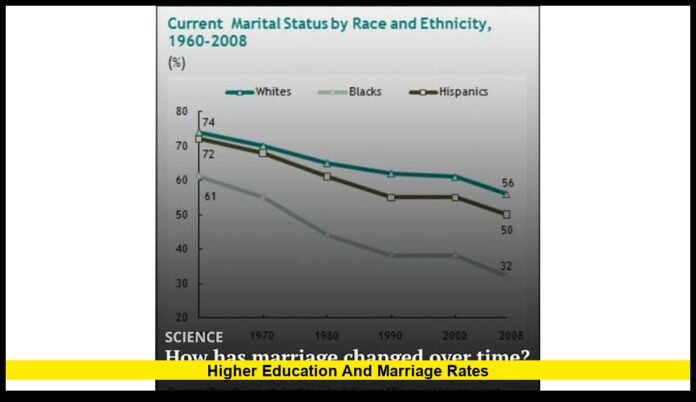

Higher education and marriage rates continue to attract national attention as new research and updated demographic data show that education has become one of the strongest factors influencing marriage patterns in the United States. Americans are marrying later than previous generations, and the differences between college graduates and adults without four-year degrees have become more noticeable. While marriage remains an important milestone for millions of people, education, career opportunities, and financial stability now play a much larger role in when and whom people marry.
The relationship between education and marriage has changed considerably over the past several decades. Earlier generations often married in their early twenties regardless of education level, but today’s economic realities have transformed those patterns. College attendance has increased, women now earn more bachelor’s degrees than men, and labor market changes have created different opportunities for workers with varying education levels. Together, these developments have reshaped the American marriage landscape.
Education Has Become a Major Predictor of Marriage
Researchers have consistently found that educational attainment strongly influences marriage outcomes in the United States. Adults with bachelor’s degrees generally marry at higher rates than those without a four-year degree. They also tend to marry later in life after completing their education and establishing stable careers.
This trend does not mean that college automatically leads to marriage. Instead, higher education often creates conditions that support long-term relationships. Graduates usually have greater access to stable employment, higher earnings, better health benefits, and improved financial security. These advantages can make marriage more financially practical and reduce some of the economic pressures couples face.
In contrast, many Americans without college degrees have experienced slower wage growth and less stable employment during the past several decades. Those financial challenges have contributed to lower marriage rates among some groups.
Marriage in America Looks Different Than It Did a Generation Ago
Marriage remains common across the country, but Americans are choosing different timelines than previous generations.
Several decades ago, many people married shortly after high school or in their early twenties. Today, adults are more likely to spend additional years completing college, attending graduate school, building careers, or achieving financial independence before getting married.
As a result, the average age at first marriage has steadily increased for both men and women.
This shift reflects changing priorities rather than declining interest in marriage. Many couples now view financial readiness and career stability as important steps before starting married life.
Women Are Earning More College Degrees Than Men
One of the biggest changes affecting modern marriage patterns is the growing educational gap between women and men.
Across the United States, women now earn a larger share of bachelor’s degrees, master’s degrees, and many doctoral degrees. Female college enrollment has remained strong, while male enrollment has declined at many colleges and universities.
This educational imbalance has changed the dating and marriage market.
Years ago, experts predicted that more highly educated women would struggle to find similarly educated spouses. However, newer research suggests that the situation is more complex than originally expected.
Many college-educated women continue to marry at relatively high rates, even if their spouses do not hold bachelor’s degrees.
Income Has Become Nearly as Important as Education
While education remains significant, income and career success now influence marriage decisions just as strongly.
Many adults consider financial stability before making long-term commitments.
Factors that frequently affect marriage planning include:
- Reliable employment
- Career growth
- Housing affordability
- Retirement savings
- Health insurance
- Childcare costs
- Long-term financial goals
People with stable incomes often report greater confidence about marriage because they feel prepared for future responsibilities.
This explains why economic conditions and marriage trends often move together.
Why College Graduates Continue to Marry at Higher Rates
Several factors help explain why college graduates generally have stronger marriage rates than adults without four-year degrees.
Better Employment Opportunities
Higher education often provides access to occupations with stronger job security and predictable salaries.
Steady employment reduces financial uncertainty, making it easier for couples to plan for marriage, homeownership, and raising children.
Higher Lifetime Earnings
College graduates generally earn more over their working lives than workers with lower levels of education.
Higher income allows couples to manage major expenses more comfortably, including housing, healthcare, education, and retirement planning.
Greater Financial Confidence
Many adults prefer entering marriage after reaching personal financial goals.
Graduates frequently spend their twenties developing careers before making long-term family decisions.
Although this delays marriage, it may contribute to stronger financial foundations once couples marry.
READ MORE- Percentage of Marriages That End in Divorce — What Recent Data Reveals
Marriage Rates Have Declined Most Among Non-College Adults
The largest changes in American marriage patterns have occurred among adults without bachelor’s degrees.
Researchers have found that marriage rates have fallen more sharply for this group over the past several decades.
Several economic factors contribute to this trend:
- Manufacturing employment has declined in many regions.
- Wage growth has slowed for some workers.
- Housing prices have increased significantly.
- Living expenses continue to rise.
- Financial uncertainty delays major life decisions.
These challenges affect both men and women, although the impact varies across communities and regions.
Education Is No Longer the Only Standard
Earlier generations often placed heavy emphasis on finding a spouse with a similar educational background.
That pattern still exists, but it has become less strict.
Today, many successful marriages include partners with different educational experiences.
A college graduate may marry someone who built a successful career through technical training, military service, entrepreneurship, or skilled trades.
Financial stability, shared values, emotional compatibility, and long-term goals frequently matter more than identical educational credentials.
Student Debt Also Influences Marriage Decisions
Student loans have become part of financial planning for many college graduates.
Although student debt does not prevent marriage by itself, it can influence when couples decide to marry.
Some graduates choose to:
- Reduce loan balances first.
- Save for a home.
- Build emergency funds.
- Improve credit scores.
- Establish stable careers.
These financial goals sometimes delay marriage by several years.
Even so, research continues to show that college graduates maintain relatively strong marriage rates despite carrying student loan debt.
Housing Costs Continue to Affect Young Couples
Housing affordability has become another important factor shaping marriage decisions.
Across many metropolitan areas, home prices and rental costs remain significantly higher than they were for previous generations.
Young adults often postpone marriage until they feel financially prepared for independent living.
Higher mortgage rates and limited housing inventory have added further challenges for first-time buyers.
These pressures affect Americans across education levels, although stable employment often helps college graduates manage rising housing costs more effectively.
Changing Career Paths Have Reshaped Family Planning
Today’s workforce differs greatly from the labor market of previous decades.
Many young professionals spend additional years:
- Completing internships
- Building work experience
- Changing employers
- Starting businesses
- Pursuing graduate education
- Relocating for career opportunities
These career decisions frequently occur during the same years when earlier generations married.
Rather than replacing marriage, career development often delays it.
Regional Differences Across the United States
Marriage patterns vary across different parts of the country.
Some regions continue to report relatively high marriage rates, while others have experienced larger declines.
Several local factors influence these differences:
- Employment opportunities
- Cost of living
- Educational attainment
- Population growth
- Religious traditions
- Urban versus rural communities
Even with regional variation, education remains one of the strongest predictors of marriage nationwide.
The Growing Importance of Financial Security
Modern marriages increasingly begin after couples achieve greater financial stability.
Many Americans now consider several milestones before marrying:
- Completing education
- Securing full-time employment
- Paying down debt
- Saving for a home
- Building retirement savings
- Establishing long-term career plans
These priorities reflect changing economic realities rather than changing attitudes toward marriage itself.
For many couples, financial preparation represents an investment in long-term relationship success.
Technology Has Also Changed How People Meet
Although education and economics remain central, technology has transformed relationship formation.
Dating apps, professional networking, social media, and online communities have expanded opportunities for meeting potential partners beyond local neighborhoods and college campuses.
This broader dating environment has made educational differences less restrictive than in previous generations.
People now have more opportunities to meet partners with diverse educational and professional backgrounds.
Marriage Still Offers Long-Term Benefits
Marriage continues to provide important social and economic benefits for many families.
Studies have long associated stable marriages with:
- Shared financial resources
- Greater household stability
- Long-term wealth building
- Strong family support systems
- Shared caregiving responsibilities
While marriage is a personal decision, these advantages help explain why many Americans continue to value long-term partnerships.
What the Latest Research Means
The newest findings suggest that the connection between education and marriage has become more closely tied to economic opportunity than educational credentials alone.
Rather than focusing only on whether someone earned a bachelor’s degree, today’s marriage market increasingly reflects broader measures of financial stability, career success, and long-term security.
College graduates continue to experience relatively strong marriage rates, but successful workers without four-year degrees also remain attractive partners when they achieve economic stability.
Meanwhile, financial hardship continues to present challenges for many adults considering marriage.
Looking Ahead
Higher education will likely remain one of the most important influences on marriage patterns in the United States for years to come.
As colleges continue graduating large numbers of students, workforce demands evolve, and economic conditions change, marriage trends will continue to reflect those broader developments.
The growing educational achievements of women, shifting labor markets, changing housing costs, and evolving career paths all contribute to a marriage landscape that looks very different from previous generations.
Rather than following a single traditional path, Americans now reach marriage through a variety of educational and professional experiences.
Understanding these trends helps explain why marriage patterns continue to evolve while remaining an important part of American society.
How do you think education and financial stability influence marriage today? Share your perspective in the comments and return for more updates on changing social and economic trends across the United States.