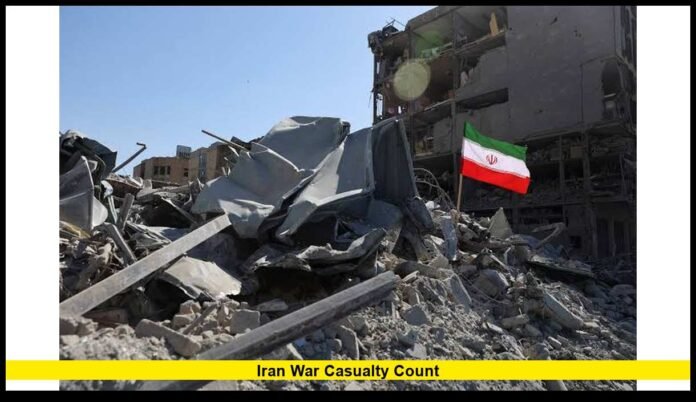

The iran war casualty count remains one of the most closely watched indicators of the ongoing conflict in the Middle East. As of July 27, 2026, the latest confirmed figures show that thousands of people have been killed and tens of thousands have been injured across several countries affected by the war. Iran continues to report the highest number of casualties, while Israel, Lebanon, Iraq, and U.S. military forces have also suffered significant losses. Although officials continue to verify new reports, the current numbers provide the clearest picture yet of the conflict’s human cost.
Latest Iran War Casualty Count
The conflict has produced widespread destruction since military operations escalated earlier in 2026. Updated casualty records continue to be revised as governments identify victims and hospitals report new information.
The latest confirmed figures include:
| Country | Confirmed Deaths | Confirmed Injuries |
|---|---|---|
| Iran | More than 3,400 | More than 26,500 |
| Lebanon | More than 3,300 | More than 11,000 |
| Israel | 26 | More than 7,800 |
| United States | 18 military deaths | More than 600 wounded |
| Iraq | More than 100 | Hundreds |
These totals remain subject to official verification, meaning future updates could slightly increase the overall casualty count.
Iran Continues to Record the Highest Losses
Among all countries directly involved, Iran has suffered the largest number of confirmed casualties. The death toll includes civilians, members of the armed forces, emergency responders, and government personnel.
Many of the country’s largest cities experienced repeated attacks targeting military facilities, air defense systems, missile sites, command centers, and other strategic infrastructure. Several nearby residential neighborhoods also sustained heavy damage, leading to additional civilian casualties.
Emergency services across Iran have worked continuously to recover victims, rescue survivors from damaged buildings, and provide medical care to thousands of injured residents.
Civilian Deaths Make Up a Significant Portion of the Toll
One of the most tragic aspects of the conflict has been the large number of civilian victims.
Confirmed casualties include:
- Children
- Women
- Elderly residents
- Healthcare workers
- Rescue personnel
- Teachers
- Public employees
Many civilians lost their lives when missiles or drones struck populated neighborhoods. Others were injured while attempting to evacuate dangerous areas or after nearby explosions caused buildings to collapse.
Medical workers continue treating survivors with severe burns, fractures, blast injuries, and other life-threatening conditions.
Thousands of Injured Continue Receiving Treatment
The number of wounded people remains several times higher than the number of fatalities.
Hospitals across affected regions continue caring for patients suffering from:
- Blast-related trauma
- Head injuries
- Broken bones
- Burns
- Internal injuries
- Eye injuries caused by debris
- Hearing damage from explosions
Many patients require multiple surgeries and months of rehabilitation before returning to normal life. Rehabilitation centers have also reported increasing demand for physical therapy and psychological support.
How Casualty Figures Are Verified
Casualty reporting during armed conflict is rarely completed immediately.
Several steps usually take place before a death or injury becomes part of official statistics:
- Hospital documentation
- Identification of victims
- Notification of family members
- Government verification
- Military confirmation when service members are involved
Because of this process, casualty totals often increase gradually even after major military operations have ended.
READ MORE- U.S. and Israel Expand Military Strikes on Iran, Raising Fears of Wider Regional Conflict
Israel’s Confirmed Casualties
Israel has also suffered casualties following missile and drone attacks launched during the conflict.
Current confirmed figures show:
- 26 deaths
- More than 7,800 injuries
Many injuries occurred after missiles struck residential communities, transportation infrastructure, and industrial facilities. Emergency warning systems allowed many residents to seek shelter, which helped reduce the overall death toll despite repeated attacks.
Medical facilities throughout Israel continue providing treatment for both physical injuries and psychological trauma caused by months of conflict.
United States Military Casualties
The United States has also recorded military casualties while participating in operations connected to the conflict.
The latest confirmed military figures include:
- 18 service members killed
- More than 600 wounded
Many injured personnel suffered blast injuries during attacks on military installations and operational bases. Others required treatment for traumatic brain injuries, fractures, and other combat-related wounds.
Recent updates to military reporting systems briefly changed publicly available casualty totals after several cases were moved into a different operational category. The revised records now provide a more complete picture of overall U.S. military losses linked to the conflict.
Lebanon Faces a Severe Humanitarian Crisis
Lebanon continues to experience one of the highest casualty totals outside Iran.
Current figures include:
- More than 3,300 confirmed deaths
- More than 11,000 injuries
Entire communities have experienced repeated attacks, forcing large numbers of residents to flee their homes. Hospitals have operated under difficult conditions while treating thousands of wounded civilians.
The humanitarian situation remains challenging as displaced families continue seeking shelter and essential services.
Iraq Also Records Casualties
Although Iraq has not experienced destruction on the same scale as Iran or Lebanon, the country has reported confirmed casualties connected to the regional conflict.
Latest reports indicate:
- More than 100 deaths
- Hundreds of injuries
Several military facilities and security positions have been affected by cross-border attacks and regional military operations.
Authorities continue monitoring security conditions while providing assistance to injured civilians.
Why Casualty Numbers Continue to Increase
Many people expect casualty figures to remain unchanged once fighting slows. In reality, official totals frequently rise over time.
Several reasons explain this pattern:
- Missing people are later identified.
- Rescue teams discover additional victims.
- Seriously injured patients may later die.
- Remote communities report casualties after communication is restored.
- Governments complete verification procedures.
As a result, casualty statistics remain dynamic throughout a conflict.
Hospitals Continue Operating Under Heavy Pressure
Healthcare systems across the region continue facing enormous challenges.
Medical facilities have reported:
- Overcrowded emergency rooms
- Increased demand for blood donations
- Limited intensive care capacity
- Long surgical waiting lists
- High demand for rehabilitation services
Doctors, nurses, and emergency responders have worked extended hours since the conflict intensified.
Many hospitals also expanded temporary treatment areas to accommodate the large number of injured patients arriving after major attacks.
Mental Health Has Become a Growing Concern
The conflict has affected far more than physical health.
Mental health specialists continue helping people dealing with:
- Anxiety
- Depression
- Grief
- Post-traumatic stress
- Sleep disorders
- Emotional trauma
Children have been especially affected after witnessing explosions, displacement, and the loss of family members.
Counseling services remain an important part of long-term recovery efforts.
Millions Have Been Displaced
Casualties represent only one measure of the conflict’s impact.
Large numbers of residents have been forced to leave their homes because of continued security risks.
Displaced families often require:
- Temporary housing
- Food assistance
- Clean drinking water
- Medical treatment
- Education for children
- Financial support
Many people remain unable to return home because buildings and infrastructure have suffered extensive damage.
Damage to Infrastructure Adds to the Crisis
The conflict has also caused widespread destruction of essential infrastructure.
Affected facilities include:
- Roads
- Bridges
- Airports
- Electrical systems
- Water treatment plants
- Telecommunications networks
- Industrial facilities
Damage to transportation routes has slowed emergency response efforts and complicated the delivery of humanitarian aid.
Restoring these services will likely require years of reconstruction.
Economic Consequences Continue to Spread
Beyond the humanitarian cost, the war has created substantial economic challenges throughout the region.
Some of the most significant effects include:
- Higher transportation costs
- Increased insurance expenses
- Disrupted international shipping
- Reduced industrial production
- Greater government spending on defense
- Delays in commercial investment
These economic pressures have affected both regional markets and international trade.
Why Accurate Casualty Reporting Matters
Reliable casualty figures serve several important purposes.
They help governments:
- Plan medical resources
- Support affected families
- Organize humanitarian assistance
- Allocate reconstruction funding
- Maintain official historical records
Accurate reporting also allows relief organizations to direct aid toward the communities experiencing the greatest needs.
The Human Stories Behind the Numbers
Every casualty statistic represents an individual whose life has been permanently changed.
Families continue mourning loved ones while many survivors begin long recoveries from serious injuries.
Healthcare workers, rescue teams, and volunteers have remained on the front lines throughout the conflict, often risking their own safety while helping others.
Communities across the region continue rebuilding neighborhoods damaged by months of military operations.
Will the Iran War Casualty Count Continue to Change?
The iran war casualty count is expected to remain under regular review as officials complete additional investigations and verify reports from affected areas.
Future updates may reflect:
- Newly confirmed fatalities
- Revised injury totals
- Identification of missing individuals
- Updated military casualty records
Although major combat operations have slowed in some areas, authorities continue evaluating the long-term human impact of the conflict.
Current Situation
As of July 27, 2026, the conflict has resulted in thousands of confirmed deaths and many more injuries across the Middle East. Iran continues to report the largest number of casualties, followed by significant losses in Lebanon. Israel, Iraq, and U.S. military personnel have also experienced confirmed fatalities and injuries. While casualty reporting remains an ongoing process, the available figures demonstrate the enormous humanitarian consequences of the war and the lasting challenges facing affected communities.
What do you think about the latest developments? Share your thoughts in the comments and return for future updates as new confirmed information becomes available.