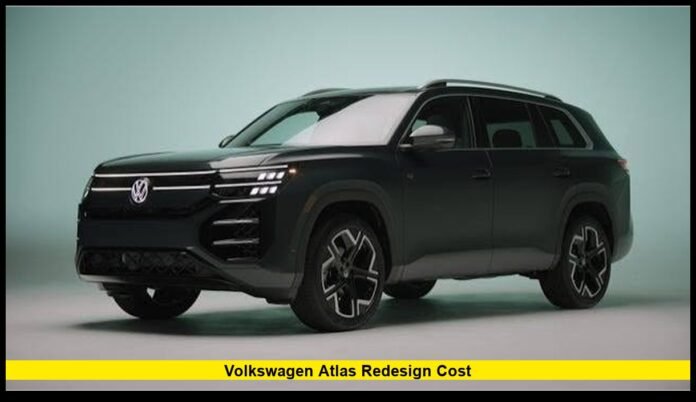

Buying a three-row SUV is a major investment, and the latest changes to Volkswagen’s flagship family vehicle have prompted many shoppers to take a closer look at pricing. With the arrival of the all-new Atlas generation, buyers are seeing a noticeable increase in the manufacturer’s suggested retail price. However, that increase comes alongside significant upgrades in design, technology, comfort, and overall refinement.
For anyone comparing the outgoing model with the newly introduced version, understanding what has changed—and whether those improvements justify the higher price—is an important part of the buying decision. The newest Atlas delivers a fresh exterior appearance, a redesigned cabin, upgraded digital technology, and a stronger emphasis on premium features while continuing to offer the spacious interior that has made it one of Volkswagen’s most successful SUVs in the United States.
How Much Does the New Atlas Cost?
The newest Atlas enters the U.S. market with a higher starting MSRP than the previous generation.
Current starting prices include:
| Trim | Starting MSRP |
|---|---|
| SE (Front-Wheel Drive) | $43,135 |
| SE with 4Motion AWD | $45,135 |
| SEL Premium R-Line | $58,135 |
These figures represent the manufacturer’s suggested retail price before taxes, registration fees, dealer documentation charges, or optional accessories.
Although the starting price has increased compared to the previous Atlas, Volkswagen has also added considerably more standard equipment throughout the lineup.
Why Has the Price Increased?
Price increases often concern shoppers, but in this case the additional cost reflects a much broader transformation than a typical yearly update.
Instead of making minor cosmetic revisions, Volkswagen redesigned nearly every major area buyers interact with every day.
Among the biggest improvements are:
- Completely updated exterior styling
- More upscale cabin materials
- Larger digital displays
- Expanded standard technology
- Additional convenience features
- Improved driver assistance systems
- More premium interior finishes
- Revised suspension tuning
- Refined turbocharged engine
Many features that previously required expensive option packages are now included on lower trims, increasing the overall value proposition.
A Completely New Exterior Appearance
The Atlas now presents a cleaner and more modern design without sacrificing its recognizable shape.
The front end receives slimmer LED lighting, a wider grille, and a more sculpted bumper that gives the SUV a stronger road presence.
Across the sides, Volkswagen refined the body lines to create a more sophisticated profile while preserving the generous cabin dimensions that families appreciate.
At the rear, the SUV features:
- Full-width LED taillights
- Updated liftgate styling
- Modern rear bumper
- New wheel designs
- Revised lighting signature
The overall result is a vehicle that appears more premium while remaining unmistakably an Atlas.
Interior Quality Takes a Major Step Forward
One of the most noticeable improvements appears inside the cabin.
Rather than updating only a few surfaces, Volkswagen redesigned the dashboard, center console, controls, and seating environment.
Higher-quality soft-touch materials now cover more interior surfaces, giving the cabin a more upscale feel.
Several improvements stand out immediately:
- Redesigned dashboard layout
- Premium decorative trim
- Improved center console storage
- Cleaner switchgear
- Better ambient lighting
- More comfortable seating
These changes create a quieter and more refined environment for both drivers and passengers.
Larger Screens Modernize the Cabin
Digital technology has become one of the most important buying factors in today’s SUV market.
Volkswagen responded by making the Atlas significantly more technology-focused.
Drivers now benefit from:
- Large infotainment touchscreen
- Fully digital instrument display
- Wireless smartphone integration
- Voice command functionality
- Wireless device charging
- Multiple USB-C charging ports
The system is easier to navigate than earlier versions and offers faster response times during everyday use.
The redesigned interface also reduces the number of physical buttons while maintaining convenient access to commonly used controls.
Comfort Improvements Throughout the Cabin
Comfort plays an important role in long family trips.
Volkswagen invested heavily in improving the seating experience.
Available features include:
- Heated front seats
- Ventilated front seats
- Massage function
- Heated steering wheel
- Multi-zone automatic climate control
- Heated second-row seats on select trims
The seats themselves feature updated cushioning designed to reduce fatigue during extended highway driving.
Passengers in all three rows continue to enjoy generous legroom compared with many competitors.
Cargo Space Remains a Strong Selling Point
Despite the extensive redesign, Volkswagen preserved one of the Atlas’ greatest strengths.
The SUV continues offering excellent cargo flexibility for growing families.
Owners can configure the interior for:
- Seven passengers
- Six passengers with captain’s chairs
- Large cargo loads
- Sports equipment
- Luggage for extended trips
- Home improvement supplies
The wide rear opening and flat load floor also make loading bulky items easier.
Performance Stays Focused on Everyday Driving
The Atlas continues using Volkswagen’s turbocharged four-cylinder engine.
The updated powertrain produces 282 horsepower and works with an eight-speed automatic transmission.
Buyers can choose:
- Front-wheel drive
- 4Motion all-wheel drive
The engine provides confident acceleration for daily commuting while maintaining smooth highway performance.
Drivers looking for towing capability can still tow up to 5,000 pounds when properly equipped.
That makes the Atlas suitable for many small campers, boats, and utility trailers.
Ride Quality Shows Noticeable Improvement
Volkswagen engineers also refined the suspension.
The latest Atlas delivers:
- Better highway stability
- Reduced road noise
- Improved ride comfort
- More composed cornering
- Better steering response
While it remains a family SUV rather than a performance vehicle, these refinements help create a more relaxed driving experience.
Technology Features Included Across the Lineup
Modern buyers expect advanced technology even on entry-level models.
Volkswagen responded by expanding standard equipment significantly.
Depending on trim level, buyers receive features such as:
- Digital instrument cluster
- Large touchscreen
- Wireless Apple CarPlay
- Wireless Android Auto
- Wireless charging pads
- Remote connectivity
- Push-button start
- Keyless access
- Multiple charging ports
Higher trims introduce additional luxury features that compete with vehicles costing considerably more.
Safety Equipment Receives Continued Attention
Safety remains one of the Atlas’ strongest areas.
Every model includes a comprehensive collection of driver assistance technologies.
Standard and available systems include:
- Automatic emergency braking
- Blind spot monitoring
- Rear traffic alert
- Adaptive cruise control
- Lane keeping assistance
- Lane centering support
- Parking sensors
- Driver attention monitoring
These technologies work together to provide additional confidence during city driving and highway travel.
Trim Levels Offer Different Value
Each Atlas trim targets a different type of buyer.
SE
The entry-level model focuses on value while still including many desirable features.
It offers:
- Digital displays
- Advanced safety technology
- LED lighting
- Modern infotainment
- Spacious interior
SE with 4Motion
Adding all-wheel drive improves confidence during rain, snow, and light off-road conditions.
This version appeals to buyers living in colder regions or those who frequently encounter changing weather.
SEL Premium R-Line
The top trim introduces the most luxurious experience.
Additional highlights include:
- Premium leather seating
- Enhanced sound system
- Premium exterior styling
- Larger wheels
- Head-up display
- Additional comfort features
Daily Ownership Costs
Purchase price represents only one part of vehicle ownership.
Potential buyers should also consider:
- Insurance premiums
- Routine maintenance
- Fuel expenses
- Tire replacement
- Registration fees
Fortunately, the redesigned Atlas continues using regular gasoline, helping keep fuel costs reasonable compared with many premium SUVs.
Routine maintenance intervals also remain familiar for Volkswagen owners.
How It Compares with Other Three-Row SUVs
The Atlas competes in one of the most competitive segments in America.
Its primary competitors include:
- Honda Pilot
- Toyota Grand Highlander
- Kia Telluride
- Hyundai Palisade
- Mazda CX-90
- Chevrolet Traverse
- Ford Explorer
Each offers different strengths, but Volkswagen continues distinguishing itself through interior space, European-inspired driving manners, and a refined cabin layout.
The latest redesign also narrows the technology gap that previously existed between the Atlas and several rivals.
Who Should Consider the New Atlas?
The newest Atlas fits a wide range of buyers.
It is especially well suited for:
- Growing families
- Parents needing three rows
- Weekend travelers
- Road-trip enthusiasts
- Buyers upgrading from compact SUVs
- Customers wanting premium features without moving into the luxury segment
Its balance of comfort, practicality, and technology makes it attractive for households that regularly carry passengers and cargo.
Should Buyers Choose the Previous Generation Instead?
Some dealerships may still have remaining inventory of the previous Atlas.
For shoppers focused strictly on saving money, those vehicles could represent excellent value if incentives are available.
However, buyers planning to keep their SUV for many years may find the redesigned version more appealing because of:
- New styling
- Updated interior
- Improved technology
- More premium materials
- Better overall refinement
Long-term ownership satisfaction often depends on daily comfort and convenience, areas where the newest Atlas delivers meaningful improvements.
Value Beyond the Sticker Price
While the MSRP has increased, evaluating value requires looking beyond the initial purchase amount.
The newest Atlas includes substantially more equipment than earlier versions, reducing the need to purchase costly option packages.
Buyers receive improved digital technology, upgraded interior materials, enhanced comfort features, and expanded safety systems as part of the overall package.
For many families, these additions provide tangible benefits every day rather than serving as simple cosmetic upgrades.
Final Buying Considerations
Anyone shopping for a midsize three-row SUV should carefully compare trim levels, available equipment, financing offers, and long-term ownership costs before making a decision.
The latest Atlas enters the market with a stronger overall package than its predecessor. The redesigned cabin feels more upscale, the technology is more competitive, and the exterior styling reflects Volkswagen’s newest design direction. Although buyers will spend more upfront than they would have on the previous generation, they also receive a significantly more refined SUV with expanded standard features and improved everyday usability.
For shoppers seeking a spacious family vehicle with modern technology, generous passenger room, and a premium feel without entering the luxury SUV market, the newest Atlas remains one of the strongest choices available today.
What are your thoughts on the latest Atlas pricing and upgrades? Share your opinion in the comments and stay informed about the newest automotive developments.