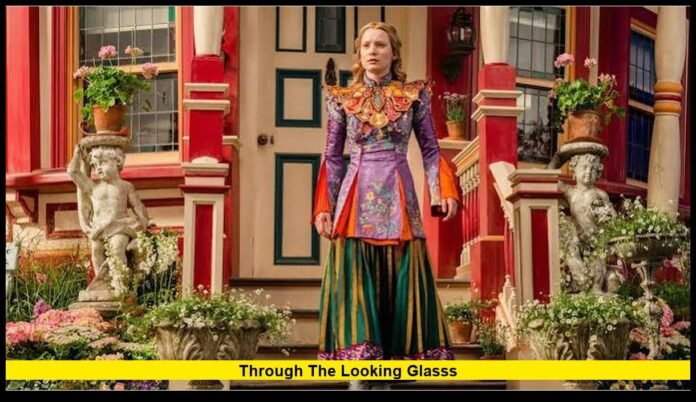

Lewis Carroll’s Through the Looking Glass remains one of the most beloved works of classic literature. More than 150 years after its publication, the novel continues to inspire readers through its imaginative storytelling, memorable characters, philosophical themes, and countless adaptations across film, television, theater, and popular culture.
Whether you’re discovering the book for the first time or revisiting it in 2026, here’s everything you need to know about Through the Looking Glass.
Key Points Summary
╔════════════════════════════════════════════════════════════════════╗
║ – Through the Looking Glass is the 1871 sequel to Alice's Adventures in Wonderland. ║
║ – The novel follows Alice as she enters a magical world through a mirror. ║
║ – Famous characters include Tweedledum, Tweedledee, the Red Queen, and Humpty Dumpty. ║
║ – The story is built around a giant chess game rather than playing cards. ║
║ – Through the Looking Glass continues to inspire books, films, games, and popular culture in 2026. ║
╚════════════════════════════════════════════════════════════════════╝
What Is Through the Looking Glass?
Through the Looking Glass, and What Alice Found There is a fantasy novel written by Lewis Carroll and first published in 1871. It serves as the sequel to the hugely successful Alice’s Adventures in Wonderland (1865).
Instead of falling down a rabbit hole, Alice steps through a mirror in her living room into a strange world where everything appears reversed. This mirror world operates under unusual logic, wordplay, riddles, and dreamlike rules that continue to fascinate readers of all ages.
The Story Explained
The adventure begins on a snowy afternoon when Alice notices that the drawing room mirror appears to lead into another world.
Once she passes through the looking glass, she discovers:
- Talking flowers
- Living chess pieces
- Curious animals
- Impossible landscapes
- Puzzling conversations
- Constantly changing rules
Unlike the first Alice novel, the sequel is structured as an elaborate game of chess. Alice begins as a pawn and gradually moves across the chessboard until she finally becomes a queen.
Major Characters
Alice
The young heroine explores the mysterious mirror world while trying to understand its strange rules.
The Red Queen
One of the story’s most famous characters, the Red Queen constantly challenges Alice and introduces the famous idea of running simply to stay in the same place.
The White Queen
Kind-hearted yet absent-minded, the White Queen experiences time differently from everyone else.
Humpty Dumpty
Perhaps the novel’s most recognizable character, Humpty Dumpty discusses language, meanings, and logic in one of literature’s most famous conversations.
Tweedledum and Tweedledee
The argumentative twins have become enduring cultural icons thanks to their humorous personalities.
The White Knight
An inventive and gentle character often viewed as one of Lewis Carroll’s most heartfelt creations.
Major Themes
Reality vs. Dreams
The novel constantly questions whether Alice is dreaming—or whether someone else is dreaming her.
Language
Words frequently take on unexpected meanings, creating clever puzzles and humorous misunderstandings.
Logic
Many conversations appear logical at first but quickly become delightfully absurd.
Growing Up
Alice gains confidence and maturity as she progresses across the chessboard.
The Chess Symbolism
One of the most unique features of Through the Looking Glass is its chess-inspired structure.
Every important movement follows the logic of a chess match:
- Alice begins as a pawn.
- She crosses different squares.
- She meets various chess pieces.
- She reaches the final row.
- She becomes a queen.
This creative framework gives the novel a sense of purpose while allowing Carroll’s imagination to flourish.
Famous Quotes
Several lines from the novel remain widely quoted today, including:
- “It’s a poor sort of memory that only works backwards.”
- “Now, here, you see, it takes all the running you can do, to keep in the same place.”
- “When I use a word, it means just what I choose it to mean.”
These quotations continue to appear in discussions about literature, science, politics, business, and philosophy.
Film and Television Adaptations
Over the decades, Through the Looking Glass has inspired numerous adaptations, including:
- Animated films
- Television specials
- Stage productions
- Radio dramas
- Modern fantasy reinterpretations
One of the best-known modern adaptations is Disney’s Alice Through the Looking Glass (2016), which expanded upon Carroll’s original ideas while introducing a new cinematic storyline.
Influence on Popular Culture
The phrase “through the looking glass” has become part of everyday language.
It is often used to describe situations that feel:
- Strange
- Surreal
- Backwards
- Illogical
- Dreamlike
The expression appears frequently in journalism, politics, psychology, science fiction, technology, and entertainment.
Why the Book Remains Popular in 2026
More than a century after its publication, Through the Looking Glass continues to attract new readers because of its:
- Creative imagination
- Clever humor
- Memorable characters
- Timeless themes
- Rich symbolism
- Thought-provoking philosophy
Its blend of fantasy and intellectual play makes it appealing to both children and adults, ensuring its place as one of the world’s greatest literary classics.
Educational Importance
Teachers and literature scholars continue to study the novel for its exploration of:
- Victorian literature
- Symbolism
- Logic
- Mathematics
- Linguistics
- Philosophy
- Childhood imagination
Many universities include the book in courses on English literature and fantasy writing.
Frequently Asked Questions
Is Through the Looking Glass a sequel?
Yes. It is the official sequel to Alice’s Adventures in Wonderland.
Who wrote Through the Looking Glass?
The novel was written by Lewis Carroll, the pen name of Charles Lutwidge Dodgson.
What is the main idea?
The novel explores imagination, identity, language, logic, dreams, and personal growth through a magical mirror world.
Why is it called Through the Looking Glass?
Alice enters the fantasy world by stepping through a mirror, also known as a looking glass.
Is the book still worth reading in 2026?
Absolutely. Its imaginative storytelling, enduring characters, and timeless themes continue to captivate readers around the world.
Final Thoughts
Through the Looking Glass remains one of literature’s greatest fantasy novels, combining whimsical adventures with deep philosophical ideas. Its unforgettable characters, clever wordplay, and symbolic journey through a mirror world have allowed it to remain relevant for generations. Even in 2026, the book continues to inspire readers, filmmakers, educators, and artists, proving that truly imaginative storytelling never goes out of style.
What are your favorite moments from Through the Looking Glass? Share your thoughts in the comments and stay tuned for more classic literature insights and updates!