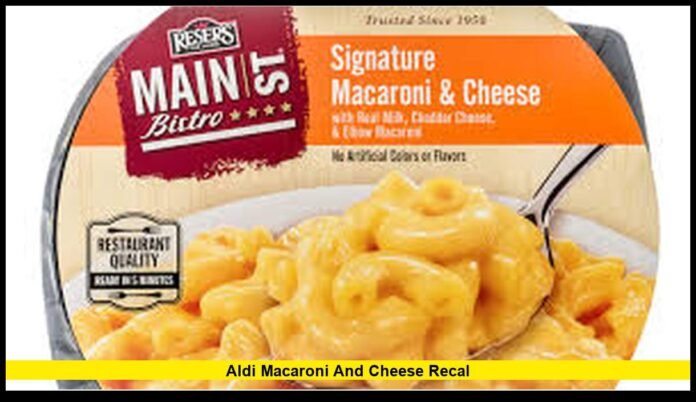

Consumers across the United States continue to pay close attention to the aldi macaroni and cheese recall after a large quantity of a popular refrigerated side dish sold at Aldi stores was removed from the market due to labeling concerns involving a food allergen. The action affects hundreds of thousands of units distributed nationwide and has prompted many shoppers to check their refrigerators and freezers for the affected product.
The recalled item is Park Street Deli Macaroni & Cheese, a ready-to-heat refrigerated product frequently purchased by families looking for a convenient side dish. The recall was initiated after it was discovered that the packaging did not properly disclose the presence of soy lecithin, an ingredient derived from soybeans that can be a concern for individuals with soy allergies.
As food recalls continue to receive heightened public attention, this case serves as another reminder of the importance of accurate ingredient labeling and consumer awareness.
A Widely Sold Product Comes Under Scrutiny
Macaroni and cheese remains one of America’s favorite comfort foods. From homemade recipes to prepared grocery-store versions, millions of consumers purchase the dish every year.
The Park Street Deli line has become a familiar name among Aldi shoppers seeking quick meal solutions. Its refrigerated macaroni and cheese product is designed to be heated and served with minimal preparation, making it a popular option for busy households.
Because of its broad distribution footprint and popularity among shoppers, the recall quickly attracted national attention. Many consumers who regularly purchase prepared foods from Aldi stores began reviewing recall notices to determine whether products in their homes were affected.
The recall involves approximately 58,405 cases, representing more than 525,000 individual units distributed throughout the United States.
Why the Product Was Recalled
Food manufacturers must provide accurate ingredient information on product packaging. Federal food-labeling regulations require the disclosure of major allergens so consumers can make informed purchasing decisions.
In this case, soy lecithin was present in the product but was not properly declared on the label.
For many consumers, soy lecithin poses no health concerns. However, people with soy allergies depend on ingredient statements to identify foods they should avoid. An omission involving an allergen can create a risk because shoppers may believe a product does not contain ingredients that are actually present.
When labeling discrepancies involving allergens are discovered, recalls are often initiated quickly to prevent potential health incidents.
The issue in this recall does not involve reports of contamination, spoilage, or foreign materials. Instead, it centers on the accuracy of ingredient disclosure.
Understanding Soy Allergies
Soy is among the major food allergens recognized under federal food-safety regulations.
Although many people consume soy products regularly without experiencing adverse effects, individuals with soy allergies may develop symptoms after exposure. Reactions can vary from mild discomfort to more serious allergic responses depending on the individual.
This is why ingredient transparency remains a critical part of food manufacturing and retail operations.
Consumers with food allergies frequently review ingredient panels before purchasing products. Even a small labeling error can undermine that process and potentially expose sensitive individuals to ingredients they are attempting to avoid.
For allergy sufferers, accurate packaging information is not simply a convenience—it is an important safety tool.
What Is Soy Lecithin?
Many shoppers unfamiliar with food manufacturing processes may wonder why soy lecithin appears in prepared foods.
Soy lecithin is commonly used throughout the food industry because it helps improve texture, consistency, and shelf stability. Manufacturers often include it in products ranging from baked goods and chocolates to sauces, frozen foods, and prepared meals.
The ingredient acts as an emulsifier, helping ingredients blend together more effectively.
Because it is so widely used, manufacturers must ensure its presence is properly reflected on packaging when required by labeling regulations.
The discovery that soy lecithin was not accurately disclosed led to the recall action involving the Aldi product.
Federal Classification Brings Renewed Attention
A Class II recall generally indicates that use of the product could lead to temporary or medically reversible health consequences. While the probability of severe long-term health effects is considered lower than in the most serious recall category, regulators still view these situations as important because they may affect vulnerable consumers.
The classification process helps communicate the potential level of concern associated with recalled products and assists consumers in understanding the nature of the issue.
As a result of the classification update, awareness of the recall increased significantly among shoppers and consumer advocates.
How Product Recalls Work
Many consumers hear about recalls regularly but may not fully understand how the process operates.
When a manufacturer discovers a potential problem, an internal investigation is typically conducted to determine the scope of the issue. If the concern involves consumer safety or regulatory compliance, the company may initiate a voluntary recall.
Retailers then work to remove affected products from store shelves and distribution channels.
Government agencies monitor the recall process, review information submitted by manufacturers, and help ensure consumers receive important safety notifications.
In many cases, products are removed before widespread injuries or illnesses occur, demonstrating the effectiveness of modern food-safety systems.
What Consumers Should Do If They Purchased the Product
Consumers who purchased Park Street Deli Macaroni & Cheese should carefully review product information and determine whether their item falls within the recalled lot.
Individuals with soy allergies should avoid consuming the product if they believe it may be affected.
Consumers generally have several options available:
- Return the product to the store where it was purchased.
- Dispose of the product if preferred.
- Contact customer support for additional guidance.
- Request a refund according to retailer policies.
Anyone experiencing symptoms after consuming a recalled product should consult a healthcare professional.
Even when a recall is precautionary in nature, prompt action helps reduce potential risks.
The Importance of Reading Recall Notices
Food recalls occur regularly across the United States and involve products ranging from snacks and beverages to fresh produce and frozen meals.
Many consumers assume recalls only involve contamination or dangerous substances. In reality, labeling errors represent a significant portion of recall activity each year.
Allergen-related recalls remain among the most common food recalls because ingredient disclosures are essential for public health.
Reading recall notices allows consumers to identify affected products quickly and take appropriate action.
Experts often recommend periodically reviewing food-safety announcements, especially for households managing allergies or dietary restrictions.
Aldi’s Role in Consumer Product Safety
Large retailers maintain systems designed to respond quickly when recalls occur.
When a manufacturer notifies a retailer about a product issue, stores typically remove affected inventory and communicate recall information to customers whenever possible.
Retailers also coordinate with suppliers and regulatory authorities throughout the process.
Aldi has built a reputation around offering private-label products and value-focused grocery options. Because many shoppers purchase store-brand foods on a regular basis, recall announcements involving those products often receive substantial attention.
The company’s response to recalls follows established procedures designed to prioritize customer safety and compliance with regulatory requirements.
Why Prepared Foods Continue to Grow in Popularity
Prepared refrigerated meals have become an increasingly important segment of the grocery industry.
Busy schedules, changing consumer habits, and demand for convenience have contributed to growing interest in ready-to-heat products.
Items such as macaroni and cheese, mashed potatoes, pasta dishes, and prepared entrees provide consumers with quick meal solutions that require little preparation.
As sales of prepared foods increase, maintaining accurate labeling becomes even more important. Consumers rely heavily on package information when selecting products for themselves and their families.
The current aldi macaroni and cheese recall highlights how even a single labeling oversight can affect a large number of products once nationwide distribution is involved.
Food Allergy Awareness Continues to Expand
Public awareness surrounding food allergies has increased significantly during the past two decades.
Schools, restaurants, grocery stores, and food manufacturers now devote greater attention to allergen management than ever before.
Many businesses have introduced enhanced training programs, updated packaging procedures, and additional quality-control measures designed to reduce the likelihood of allergen-related errors.
Consumers have also become more proactive about reading labels and monitoring food-safety alerts.
This growing awareness has helped improve communication throughout the food industry while encouraging stronger standards for ingredient transparency.
Consumer Confidence and Product Transparency
Trust plays an important role in grocery purchasing decisions.
Consumers expect food manufacturers to provide accurate information about ingredients, nutrition, and product contents. When recalls occur, companies often face increased scrutiny regarding quality-control practices and labeling procedures.
At the same time, recalls demonstrate that monitoring systems are working to identify issues and remove affected products from circulation.
The ability to detect problems, notify consumers, and implement corrective measures remains an important component of the nation’s food-safety framework.
For shoppers, staying informed remains one of the best ways to navigate recall announcements and make safe purchasing decisions.
Looking Ahead
As the recall continues to draw attention, consumers are encouraged to review any Park Street Deli Macaroni & Cheese products they may still have at home and follow applicable recall guidance.
Food labeling accuracy remains a key part of consumer protection, particularly for households managing allergies and dietary sensitivities. While recalls can create concern among shoppers, they also underscore the importance of oversight systems designed to identify issues and address them before larger problems emerge.
The ongoing focus surrounding this recall serves as a reminder that ingredient transparency, consumer awareness, and responsible food manufacturing remain essential parts of maintaining confidence in the nation’s food supply.
Stay engaged with the latest consumer product updates and share your thoughts about how food recalls influence your shopping decisions.