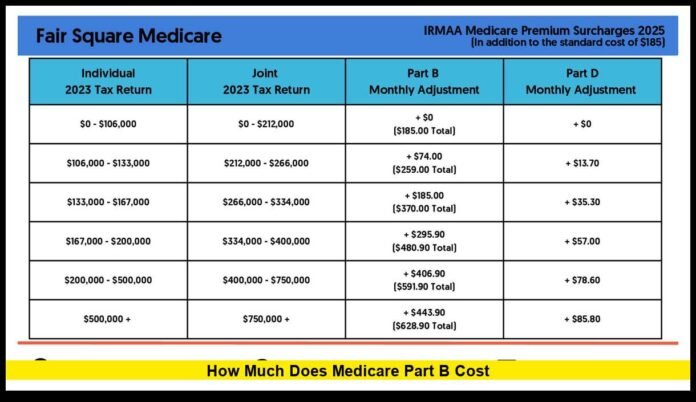

For millions of Americans approaching retirement, one of the most common questions is how much does Medicare Part B cost. Medicare Part B is a vital component of the federal health insurance program, helping cover everyday medical services such as doctor visits, outpatient treatments, preventive screenings, and medical equipment.
Because healthcare costs can have a significant impact on retirement finances, understanding Medicare Part B premiums, deductibles, and out-of-pocket expenses is essential for long-term planning.
What Is Medicare Part B and Why Is It Important?
Medicare Part B is the medical insurance portion of Medicare. Unlike hospital coverage, which primarily focuses on inpatient care, Part B helps pay for healthcare services received outside of a hospital setting.
Coverage generally includes:
- Primary care physician visits
- Specialist consultations
- Outpatient surgeries
- Diagnostic testing
- Mental health care
- Preventive screenings
- Durable medical equipment
- Certain home health services
Without Medicare Part B, beneficiaries could face substantial costs for routine healthcare services.
Key Points Summary
╔════════════════════════════════════════════════════════════════════╗
║ – Medicare Part B covers outpatient medical services and preventive care. ║
║ – Beneficiaries typically pay a monthly premium for coverage. ║
║ – Annual deductibles apply before certain benefits begin. ║
║ – Many services require coinsurance payments after the deductible. ║
║ – Income levels can affect monthly premium amounts. ║
║ – Part B helps cover doctor visits, screenings, and medical equipment. ║
║ – Costs may be adjusted periodically based on Medicare regulations. ║
║ – Understanding expenses helps retirees prepare financially. ║
╚════════════════════════════════════════════════════════════════════╝
How Much Does Medicare Part B Cost Each Month?
Most Medicare beneficiaries pay a monthly premium to maintain Part B coverage. The amount can vary depending on several factors, including income and enrollment history.
In addition to the monthly premium, enrollees should be aware of:
- Annual deductibles
- Coinsurance requirements
- Potential late-enrollment penalties
- Additional costs for certain services
These expenses work together to determine the total amount a beneficiary may spend on healthcare throughout the year.
Understanding Medicare Part B Premiums
The monthly premium is the most visible cost associated with Medicare Part B.
Premium payments help fund the program’s coverage for outpatient medical services. While many beneficiaries pay a standard amount, individuals with higher incomes may pay increased premiums.
Failing to enroll during the appropriate enrollment period can also lead to higher monthly costs due to late-enrollment penalties.
What Is the Medicare Part B Deductible?
Before Medicare begins paying for many covered services, beneficiaries are generally responsible for meeting an annual deductible.
The deductible represents the amount you pay out of pocket before Medicare starts sharing the cost of covered healthcare services.
Once the deductible is satisfied, Medicare typically pays a significant portion of approved medical expenses.
Coinsurance and Additional Costs
Even after meeting the deductible, beneficiaries may still have healthcare expenses.
Coinsurance usually requires the beneficiary to pay a percentage of the approved cost of certain medical services.
Common examples include:
- Specialist appointments
- Outpatient procedures
- Medical tests
- Therapy services
Understanding these costs can help prevent surprises when receiving medical care.
Services Covered by Medicare Part B
One reason Medicare Part B is so valuable is the wide range of services it covers.
Doctor Visits
Routine and specialized medical appointments are generally covered.
Preventive Healthcare
Preventive services play an important role in maintaining long-term health.
Examples include:
- Wellness examinations
- Cancer screenings
- Vaccinations
- Diabetes screenings
- Heart disease screenings
Outpatient Treatment
Many medical procedures performed without hospital admission are covered under Part B.
Medical Equipment
Part B may assist with the cost of medically necessary equipment, including:
- Wheelchairs
- Walkers
- Oxygen supplies
- Mobility aids
- Blood glucose monitors
Factors That Influence Medicare Part B Costs
Not every beneficiary pays exactly the same amount for Medicare Part B.
Several factors can affect costs:
Income
Higher-income beneficiaries may be required to pay larger monthly premiums.
Enrollment Timing
Delaying enrollment without qualifying coverage can result in permanent penalties.
Healthcare Usage
The more services a beneficiary uses, the higher annual out-of-pocket expenses may become.
Supplemental Coverage
Additional insurance policies may reduce some costs but often involve separate premiums.
How Medicare Part B Fits Into Retirement Planning
Healthcare spending is one of the largest expenses many retirees face.
By understanding Medicare Part B costs, retirees can:
- Build accurate retirement budgets
- Estimate annual medical expenses
- Compare insurance options
- Plan for future healthcare needs
Proper planning can help reduce financial stress and improve long-term security.
Can You Lower Medicare Part B Expenses?
There are several strategies that may help reduce healthcare costs.
Review Coverage Annually
Comparing available Medicare options each year can help identify plans that better fit individual needs.
Use Preventive Services
Preventive care may help detect health issues early and reduce future medical expenses.
Consider Supplemental Insurance
Some beneficiaries purchase additional coverage to help manage deductibles, copayments, and coinsurance.
Take Advantage of Assistance Programs
Qualified individuals may be eligible for programs that help with Medicare-related expenses.
FAQs
Q: What does Medicare Part B pay for?
A: Medicare Part B helps cover doctor visits, outpatient care, preventive services, medical equipment, and many healthcare services received outside a hospital.
Q: Does everyone pay the same Medicare Part B premium?
A: No. Monthly premiums can vary depending on income and other eligibility factors.
Q: Is there an annual deductible for Medicare Part B?
A: Yes. Beneficiaries generally must meet a deductible before Medicare begins paying for many covered services.
Q: What happens if I delay enrollment in Medicare Part B?
A: Delaying enrollment without qualifying health coverage may result in a late-enrollment penalty.
Q: Can Medicare Part B costs increase over time?
A: Yes. Premiums and deductibles may change periodically.
Q: Is Medicare Part B worth it?
A: Many retirees consider Part B essential because it provides coverage for routine healthcare services and preventive care.
Final Thoughts
Knowing how much does Medicare Part B cost can help you make smarter healthcare and retirement decisions. By understanding premiums, deductibles, coinsurance, and coverage options, you can better prepare for future medical expenses and choose the Medicare coverage that best meets your needs.
Want more Medicare tips and retirement planning updates? Leave a comment below and check back regularly for the latest information.