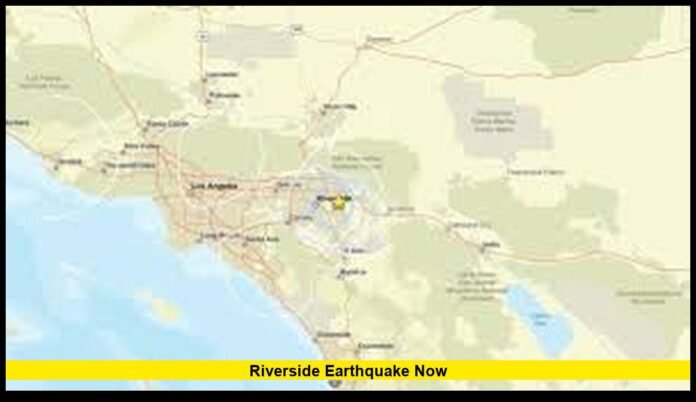

The topic riverside earthquake now continues to attract attention across Southern California as earthquake monitoring systems record ongoing seismic activity in Riverside County. While several recent tremors have been detected in communities throughout the region, officials have reported no major damage, injuries, or disruptions linked to the latest earthquakes. The activity reflects the normal seismic patterns commonly observed in one of California’s most active earthquake zones.
Recent Earthquakes Recorded Near Riverside County
Earthquake monitoring stations have logged multiple small earthquakes across Riverside County during the first part of June 2026. Most events have measured below magnitude 3.0, making them relatively minor by California standards.
Several of the recent tremors occurred near communities including Cabazon, Banning, Beaumont, Anza, and areas surrounding the Coachella Valley. Many residents did not notice the shaking, while others reported brief vibrations lasting only a few seconds.
One of the more notable recent earthquakes occurred near Cabazon, where a magnitude 2.2 tremor was recorded. The earthquake originated several miles beneath the surface and produced only light shaking in nearby communities.
Authorities have not reported any structural damage, road closures, utility outages, or emergency declarations related to the latest seismic events.
Why Earthquakes Frequently Occur Near Riverside
Riverside County sits within one of the most geologically active regions in the United States. The county is surrounded by several major fault systems capable of generating earthquakes of varying sizes.
These fault systems include:
| Fault | General Location |
|---|---|
| San Andreas Fault | Eastern Riverside County |
| San Jacinto Fault | Central Riverside County |
| Elsinore Fault | Western Riverside County |
| Cucamonga Fault System | Inland Empire Region |
The interaction between the Pacific Plate and the North American Plate creates constant pressure beneath Southern California. As stress accumulates and releases along fault lines, earthquakes occur.
This process has shaped California’s landscape for millions of years and continues today.
Understanding Riverside County’s Earthquake History
Earthquakes are a normal part of life throughout Riverside County. The region experiences thousands of small seismic events every year.
Most earthquakes remain too weak to be felt. Others create brief shaking that residents notice but rarely causes damage.
Historically, Riverside County has experienced both moderate and significant earthquakes. The presence of the San Andreas Fault makes the area particularly important for earthquake monitoring and research.
Scientists closely watch the region because several major fault systems intersect nearby, creating a complex network of seismic activity.
January 2026 Earthquake Near Indio
One of the most significant earthquakes recorded in Riverside County during 2026 occurred near Indio.
The magnitude 4.9 earthquake generated noticeable shaking across parts of Riverside County and neighboring areas of Southern California. Residents reported feeling the movement in cities throughout the Coachella Valley and Inland Empire.
Emergency officials quickly assessed infrastructure, transportation routes, and public facilities. No widespread damage was reported following the event.
Several aftershocks followed the initial earthquake, which is common after moderate seismic activity.
Earthquake Activity Near Banning and Beaumont
Communities near Banning and Beaumont frequently experience small earthquakes due to their proximity to major fault structures.
The San Andreas Fault passes close to these cities, making them some of the most closely monitored areas in Riverside County.
During recent months, several low-magnitude earthquakes have been recorded in the area. Most measured below levels associated with significant damage.
Residents in these communities are familiar with occasional tremors and often receive earthquake notifications through mobile alert systems.
Anza and Idyllwild Remain Active Seismic Areas
The mountain communities of Anza and Idyllwild regularly experience earthquake activity.
These areas sit near the San Jacinto Fault Zone, one of Southern California’s most active fault systems.
Small earthquake swarms occasionally occur in this region. A swarm consists of numerous earthquakes clustered within a short period.
Most swarms involve minor earthquakes and do not lead to larger seismic events.
Scientists continue monitoring the region because of its geological importance and history of seismic activity.
Current Status of Riverside County
As of June 9, 2026, Riverside County remains under normal earthquake monitoring conditions.
Emergency management agencies have not issued earthquake-related warnings connected to recent seismic activity.
Current conditions include:
- No reports of major earthquake damage
- No widespread power outages
- No transportation disruptions
- No earthquake-related school closures
- No declared local emergencies
- Normal operations across public services
Residents continue daily activities while monitoring routine earthquake updates.
Read More – Earthquake California: Inland Empire Tremors Highlight Ongoing Seismic Activity
How Earthquakes Are Detected
Modern earthquake detection relies on sophisticated instruments located throughout California.
These instruments measure ground movement and transmit data to monitoring centers within seconds.
Scientists analyze several factors after an earthquake occurs:
Magnitude
Magnitude measures the amount of energy released during an earthquake.
Depth
Depth determines how far below the Earth’s surface the earthquake originated.
Location
The epicenter identifies where the earthquake occurred.
Intensity
Intensity describes how strongly people felt the shaking.
This information helps emergency officials assess potential impacts and communicate with the public.
Magnitude Scale Explained
Many people hear earthquake magnitudes but may not understand what the numbers mean.
Here is a general overview:
| Magnitude | Typical Effects |
| Below 2.5 | Usually not felt |
| 2.5–3.9 | Light shaking possible |
| 4.0–4.9 | Noticeable shaking |
| 5.0–5.9 | Potential minor damage |
| 6.0–6.9 | Strong earthquake |
| 7.0+ | Major earthquake |
Most earthquakes recently recorded in Riverside County have remained in the lower ranges of the scale.
What Residents Have Reported
Recent earthquakes around Riverside County have produced limited public reports.
Common experiences include:
- Brief vibrations
- Light rattling of windows
- Minor movement of hanging objects
- Short periods of shaking
- Sudden rumbling sounds
Many residents reported learning about earthquakes through notifications rather than feeling them directly.
This pattern is common for low-magnitude seismic events.
The Importance of Earthquake Preparedness
Although recent earthquakes have been relatively small, preparedness remains important throughout Southern California.
Earthquake experts consistently encourage residents to maintain emergency plans.
Basic preparedness steps include:
Keep Emergency Supplies Available
Essential supplies may include:
- Drinking water
- Nonperishable food
- Flashlights
- Batteries
- First-aid materials
- Prescription medications
Secure Furniture
Large furniture can become hazardous during strong shaking.
Anchoring bookshelves, televisions, and cabinets helps reduce risk.
Know Safe Areas Indoors
Residents should identify locations away from windows and heavy objects.
Knowing where to take cover can improve safety during an earthquake.
Discuss Family Plans
Families benefit from having emergency contact information and meeting locations prepared in advance.
Southern California’s Active Seismic Environment
Riverside County forms part of a broader Southern California seismic network stretching from Los Angeles County to the Arizona border.
The region experiences ongoing tectonic movement throughout the year.
Scientists monitor hundreds of active faults across Southern California. Many faults remain capable of producing future earthquakes.
Continuous monitoring allows researchers to better understand earthquake patterns and improve public awareness.
Can Scientists Predict Earthquakes?
Scientists can identify areas where earthquakes are likely to occur over long periods. However, they cannot predict the exact time, location, or magnitude of a future earthquake.
Research continues to improve understanding of fault behavior and seismic processes.
Monitoring networks provide rapid information after earthquakes occur, helping emergency officials respond quickly when necessary.
At present, no scientific method can reliably forecast a specific earthquake before it happens.
What Makes Riverside County Unique
Several factors contribute to Riverside County’s importance in earthquake research.
The county contains:
- Portions of major fault systems
- Diverse geological formations
- Significant historical seismic activity
- Large population centers
- Critical transportation corridors
Because of these characteristics, researchers pay close attention to earthquake activity throughout the region.
Data collected from Riverside County contributes to broader earthquake studies across California and the western United States.
Looking Ahead
Earthquake monitoring stations continue operating around the clock across Riverside County and Southern California.
Small earthquakes will likely remain a regular occurrence due to the region’s geology. Recent activity near Cabazon, Banning, Beaumont, Anza, Idyllwild, and surrounding communities reflects the ongoing seismic processes that shape California.
Current reports indicate that the latest earthquakes remain minor events with no significant impacts on public safety, infrastructure, or daily life. Residents are encouraged to stay informed, maintain preparedness plans, and follow official earthquake information when seismic activity occurs.
Have you recently felt shaking in Riverside County? Share your experience and continue checking for the latest earthquake updates affecting Southern California.