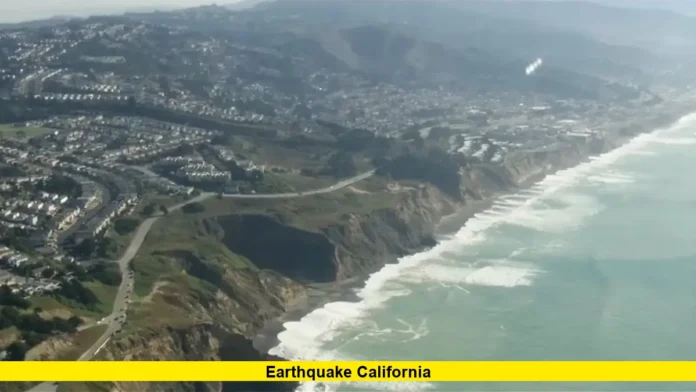

A series of small but noticeable tremors in Southern California has once again drawn attention to the region’s ever-present seismic reality. The latest activity includes a 2.7 magnitude quake near Loma Linda on April 29, part of a broader pattern that continues to unfold across the Inland Empire. While no damage or injuries have been reported, the event reinforces how frequently the ground shifts beneath California communities.
In recent days, earthquake california activity has remained consistent rather than dramatic, characterized by low-magnitude quakes that ripple through fault lines without escalating into major incidents. For residents, these subtle reminders are part of daily life—but they also serve as important signals for scientists studying stress accumulation underground.
Cluster of Recent Tremors Near Loma Linda
The Loma Linda area has experienced a noticeable uptick in seismic movement. The 2.7 magnitude tremor recorded on April 29 was preceded and followed by several smaller quakes, many of which were too weak to be widely felt.
Seismologists classify this pattern as a localized cluster rather than a single isolated event. Nearby communities such as Redlands and parts of Riverside County also reported minor shaking, indicating that the activity is spread across interconnected fault segments rather than confined to one exact point.
Although these quakes fall into the “minor” category, their frequency is what draws attention. A handful of small tremors within a short period can point to subtle shifts in underground stress levels, which scientists monitor closely.
Understanding Seismic Swarms
The recent activity fits the profile of what experts call a seismic swarm. Unlike a traditional earthquake sequence—where one main quake is followed by aftershocks—a swarm involves multiple quakes of similar size occurring in a concentrated area.
These swarms can last for days or even weeks. In most cases, they do not lead to a larger event, but they offer valuable insight into how fault systems behave.
Southern California is particularly prone to such swarms due to its dense network of faults. The Inland Empire region, where Loma Linda is located, sits near several active fault lines that regularly release small amounts of energy.
Why Southern California Shakes So Often
California’s seismic activity is driven by the interaction of two massive tectonic plates: the Pacific Plate and the North American Plate. Their slow but constant movement creates stress along fault lines, which is periodically released in the form of earthquakes.
The San Andreas Fault is the most well-known of these systems, but it is far from the only one. Numerous smaller faults branch out across the state, particularly in Southern California, where population centers overlap with active geological zones.
This means that even when a major fault remains quiet, smaller nearby faults can still produce frequent tremors. The recent Loma Linda activity is a clear example of this ongoing process.
How Strong Was the April 29 Tremor?
A magnitude 2.7 earthquake is considered minor. Many quakes of this size are not felt at all, especially if they occur deeper underground. However, in areas close to the epicenter, some residents may notice a brief jolt or vibration.
At this level, structural damage is extremely unlikely. Buildings are designed to withstand far stronger shaking, and infrastructure is not typically affected by such small events.
Still, even minor quakes can feel significant to those who experience them firsthand, particularly in quiet residential areas where sudden movement stands out.
Patterns Emerging Across the Inland Empire
The Loma Linda tremor is not an isolated incident. Over the past week, multiple small earthquakes have been recorded across the Inland Empire, ranging from barely detectable microquakes to slightly stronger tremors above magnitude 3.
This pattern suggests a gradual release of energy rather than a buildup toward a single major event. Scientists often view this type of activity as a normal part of the region’s seismic cycle.
However, patterns can shift, and continuous monitoring is essential. Even minor changes in frequency or intensity can provide clues about evolving conditions beneath the surface.
Do Small Earthquakes Signal Bigger Ones?
One of the most common questions following any earthquake—no matter how small—is whether it could be a warning sign of something larger.
The answer is complex. In most cases, small earthquakes do not lead to major ones. They often relieve pressure along fault lines rather than increase it. However, there are rare instances where clusters of minor quakes precede a larger event.
Because of this uncertainty, scientists track every tremor carefully. Advanced monitoring systems analyze patterns in real time, looking for anomalies that might indicate increased risk.
For now, the recent activity near Loma Linda does not show clear signs of escalation, but it remains under observation.
Preparedness Remains Essential
Even though recent earthquakes have been minor, preparedness remains a key priority across California. The state’s history includes powerful earthquakes that have caused widespread damage, making readiness a constant focus for residents and officials alike.
Basic preparedness steps include:
- Securing heavy furniture to walls
- Keeping emergency supplies accessible
- Identifying safe spots inside homes
- Practicing earthquake response drills
These measures may seem routine, but they can make a significant difference during a stronger event.
Technology and Monitoring Improvements
Modern earthquake monitoring has advanced significantly in recent years. Networks of sensors across California detect even the smallest ground movements, providing detailed data about each event.
Early warning systems are also being refined, offering the potential to alert people seconds before shaking begins. While the warning time may be brief, it can still allow individuals to take protective action.
These technological improvements mean that even minor quakes like the one near Loma Linda contribute valuable information to ongoing research.
Community Response and Awareness
For many Southern California residents, small earthquakes are a familiar experience. Still, each event serves as a reminder of the region’s unique geological environment.
Local communities often respond with a mix of curiosity and caution. Social media discussions, neighborhood conversations, and local alerts all play a role in spreading awareness.
The recent earthquake california activity has once again sparked conversations about readiness, safety, and the unpredictable nature of living near active fault lines.
Looking Ahead
Seismic activity in California is not a matter of “if,” but “when.” Small earthquakes will continue to occur as part of the state’s natural geological processes.
The recent tremors near Loma Linda highlight the importance of ongoing monitoring and public awareness. While there is no indication of an imminent major earthquake, the steady rhythm of minor quakes underscores the dynamic nature of the region.
For scientists, each tremor adds another piece to the puzzle of understanding how faults behave. For residents, it serves as a reminder to stay prepared, informed, and aware.
Conclusion
The 2.7 magnitude earthquake near Loma Linda on April 29 is one of several recent tremors shaping the current seismic landscape in Southern California. Though minor in strength, these events provide valuable insight into the movement of fault systems beneath the surface.
As monitoring continues and data accumulates, experts will keep analyzing patterns to better understand what lies ahead. In the meantime, Californians remain accustomed to living with the subtle but constant motion of the earth beneath their feet.