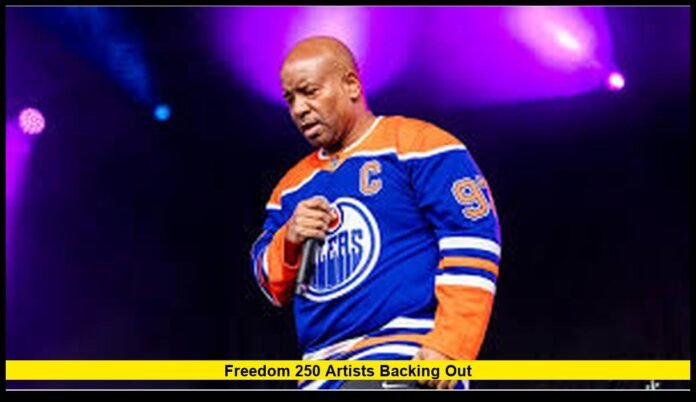

Freedom 250 artists backing out has become one of the most talked-about entertainment stories tied to America’s upcoming 250th anniversary celebrations. Several performers who were announced as part of the Great American State Fair lineup have publicly stated they will not participate, creating unexpected controversy around a major national event scheduled for Washington, D.C. in 2026.
The developments emerged shortly after organizers unveiled a roster of well-known musicians expected to perform during the multi-day celebration. Instead of focusing solely on the festival itself, public attention quickly shifted toward artists distancing themselves from the event and questions surrounding how some performers became associated with the lineup.
As preparations continue for one of the country’s largest anniversary celebrations, the debate surrounding performer participation remains a major topic across the entertainment industry.
What Is the Freedom 250 Great American State Fair?
The Great American State Fair is one of the largest public celebrations planned for the United States’ 250th anniversary in 2026. Organized as part of the broader Freedom 250 festivities, the event is scheduled to run from June 25 through July 10, 2026, on the National Mall in Washington, D.C., stretching from the U.S. Capitol to the Washington Monument. Organizers describe it as a World’s Fair-style exposition designed to bring together every state, territory, and federal agency in a single nationwide showcase.
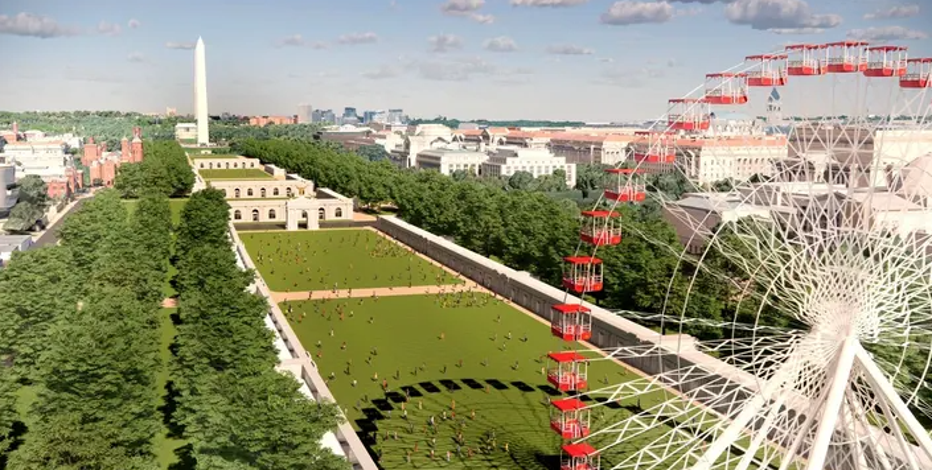
The fair is intended to give visitors an opportunity to experience the traditions, achievements, and cultures that make up the United States. Rather than focusing on a single theme, the event aims to serve as a broad celebration of American life. Each participating state and territory is expected to feature exhibits highlighting its history, tourism attractions, industries, food, music, arts, and local traditions. Organizers have promoted the event as a coast-to-coast cultural experience where attendees can explore displays representing communities from across the nation without ever leaving Washington.
One of the most ambitious aspects of the fair is its scale. Plans call for pavilions, demonstrations, interactive exhibits, family-friendly attractions, educational programming, and themed presentations spread throughout the National Mall. Visitors will be able to move from exhibits focused on agriculture and innovation to displays celebrating regional heritage, military service, arts, science, and American entrepreneurship. Organizers have described the project as one of the signature attractions of the nation’s semiquincentennial celebration.
Food and culture are also expected to be major attractions. Promotional materials have highlighted the idea of showcasing regional cuisines from across the country, allowing visitors to sample foods and traditions associated with different states and territories. Cultural performances, demonstrations, and educational exhibits are intended to provide a deeper look at the diversity that exists within the United States while emphasizing a shared national story.
The fair is being promoted as more than just an exhibition. It is envisioned as a gathering place where Americans can celebrate the 250th anniversary of the signing of the Declaration of Independence and reflect on the country’s past, present, and future. The event is expected to draw visitors from across the United States as well as international tourists traveling to Washington for the historic anniversary year. America’s 250th anniversary is anticipated to be one of the largest nationwide commemorations in modern U.S. history, and the Great American State Fair has been positioned as one of its centerpiece events.
Live entertainment is another major component of the fair. Organizers announced plans for concerts, special guests, speakers, and nightly performances throughout the 16-day event. These entertainment offerings were intended to help attract large crowds and create a festival atmosphere on the National Mall. However, the music program has recently become the focus of significant public attention after several announced performers withdrew from the event, leading to questions about the lineup and the fair’s political associations. The resulting controversy has generated widespread media coverage and become one of the most discussed aspects of the celebration in the weeks leading up to the event.
As a result, what began as a major patriotic and cultural showcase has increasingly found itself in the national spotlight—not only because of its ambitious plans for America’s 250th birthday, but also because of the ongoing debate surrounding the entertainment lineup and the broader Freedom 250 celebration.
How the Controversy Began
The controversy surrounding the Freedom 250 Great American State Fair began shortly after organizers unveiled a list of entertainers expected to perform during the nationwide celebration.
When the initial lineup was announced, many music fans welcomed the news. The roster featured a mix of well-known performers from different musical genres and eras, creating the impression that the event would offer broad appeal to audiences of all ages. For supporters of the America 250 festivities, the concert series appeared to be a major attraction that would complement the fair’s cultural exhibits, state showcases, and patriotic programming.
However, the positive reaction did not last long.
Soon after promotional materials were released, several artists publicly disputed their inclusion in the announced lineup. Through statements issued on social media and through representatives, some performers indicated that they had not agreed to participate in the event or that discussions regarding potential appearances had not been finalized.
Those public responses quickly shifted attention away from the celebration itself and toward questions about how the lineup had been assembled and announced.
As more details emerged, observers began asking whether all listed performers had formally committed to the event before their names appeared in promotional campaigns. Critics questioned the communication process between organizers, booking agencies, managers, and artists. Supporters of the event, meanwhile, argued that large festivals often involve ongoing negotiations and that lineup adjustments are not uncommon during the planning stages.
The situation gained even greater visibility because of the event’s connection to the highly anticipated America 250 commemorations. The Great American State Fair is one of the most prominent public events planned for the nation’s 250th anniversary, meaning any controversy tied to the celebration was likely to attract significant media attention.
News outlets, entertainment reporters, and social media users quickly amplified the story. What initially appeared to be a routine concert announcement evolved into a broader discussion about event promotion, artist consent, and the challenges of organizing a large-scale national celebration.
As additional performers clarified their positions and organizers responded to growing scrutiny, the lineup controversy became one of the most widely discussed aspects of the Freedom 250 festivities, drawing attention far beyond the music industry and placing the Great American State Fair under an unexpected spotlight.
Young MC Publicly Withdraws
One of the most significant developments in the Freedom 250 lineup controversy involved rapper and Grammy Award winner Young MC.
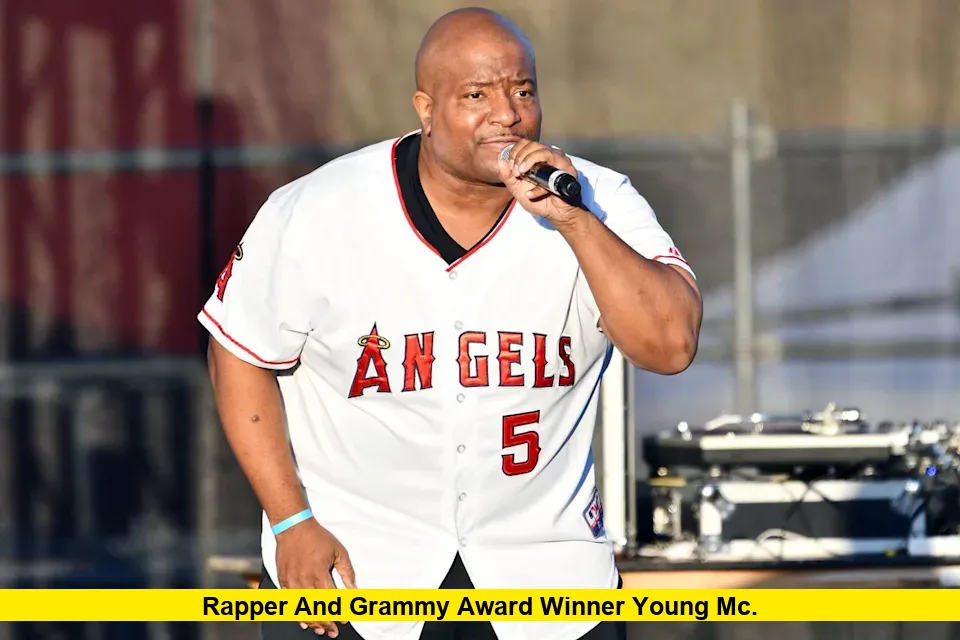
Known for his 1989 hit song Bust a Move, Young MC was among the most recognizable names listed in the event’s promotional materials. Because of his longstanding popularity and broad appeal across generations of music fans, his inclusion was viewed by many observers as one of the headline attractions of the planned concert series.
That changed when Young MC publicly stated that he would not be participating in the Freedom 250 celebration.
According to his public comments, the rapper had already instructed his representatives that he did not intend to perform at the event. His remarks quickly spread across social media platforms and entertainment news outlets, turning what might have been a routine scheduling adjustment into a widely discussed national story.
The timing of the announcement contributed significantly to the attention it received. Because the withdrawal came shortly after organizers unveiled the lineup, many fans were surprised to learn that a performer prominently featured in promotional materials would not be appearing. The discrepancy raised questions about how performer commitments were being communicated and whether all artists had formally confirmed their participation before being announced.
Young MC’s withdrawal soon became one of the defining moments of the broader controversy. Media coverage shifted from highlighting the fair’s entertainment offerings to examining the relationship between organizers, talent representatives, and performers. Commentators began discussing the challenges of coordinating large-scale events, particularly those involving numerous artists, booking agencies, and management teams.
The episode also sparked wider conversations within the entertainment industry. Some observers emphasized the importance of obtaining clear confirmation before publicly announcing performers, while others noted that festival lineups often evolve as negotiations continue. Regardless of those differing perspectives, Young MC’s public statement placed the issue squarely in the spotlight.
As news of his decision spread, public attention increasingly focused on performer reactions and lineup questions rather than the attractions, exhibits, and patriotic programming that organizers had intended to showcase. What began as a celebration of America’s 250th anniversary was now generating headlines for an entirely different reason, with Young MC’s withdrawal serving as one of the most visible examples of the growing controversy.
Morris Day Distances Himself From the Event
The Freedom 250 lineup controversy grew even larger when musician and entertainer Morris Day publicly distanced himself from the event.
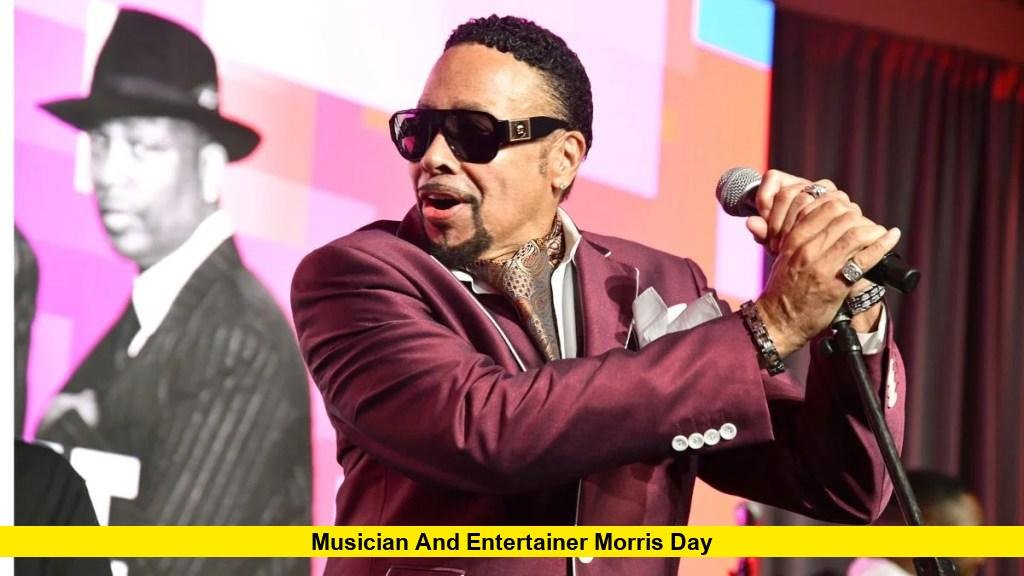
Day’s name had appeared in promotional materials alongside his longtime band, The Time, leading many fans to believe that one of the most influential acts associated with the Minneapolis sound would be part of the Great American State Fair festivities. Given Day’s enduring popularity and his connection to the golden era of funk, R&B, and the music legacy surrounding Prince, his inclusion was viewed as one of the lineup’s standout attractions.
That expectation changed when Morris Day publicly indicated that he would not be participating in the festival.
His response quickly gained attention across social media and entertainment news platforms, where fans and industry observers shared and discussed his comments. Because Day remains a highly recognizable figure whose influence extends well beyond his chart success in the 1980s, his statement carried significant weight and immediately became part of the growing controversy surrounding the event.
For many fans, the development came as a surprise. Promotional announcements had already created anticipation that Morris Day and The Time would perform during the America 250 celebrations. When Day publicly rejected involvement, questions once again emerged regarding the process through which performers had been announced and whether all featured artists had formally committed to appearing.
The timing of his response was particularly important because it followed other high-profile withdrawals and denials connected to the lineup. As a result, his comments were not viewed as an isolated incident but rather as part of a broader pattern that was drawing increasing public scrutiny.
Media coverage soon shifted toward examining the growing list of performers who had challenged or declined participation after being named in promotional materials. Entertainment reporters, music industry commentators, and festival observers began focusing on lineup verification, artist communication, and event planning procedures.
Day’s decision added further momentum to a story that was already receiving national attention. With multiple recognizable performers publicly distancing themselves from the festival, the discussion surrounding Freedom 250 increasingly centered on artist reactions rather than the fair’s exhibits, cultural programming, educational attractions, and patriotic celebrations.
As scrutiny intensified, Morris Day’s response became another pivotal chapter in the evolving controversy, reinforcing concerns about the announced entertainment roster and keeping the spotlight firmly on questions surrounding performer participation.
Questions Surround Milli Vanilli’s Inclusion
The controversy surrounding the Freedom 250 entertainment lineup expanded further when questions arose regarding the inclusion of Milli Vanilli.
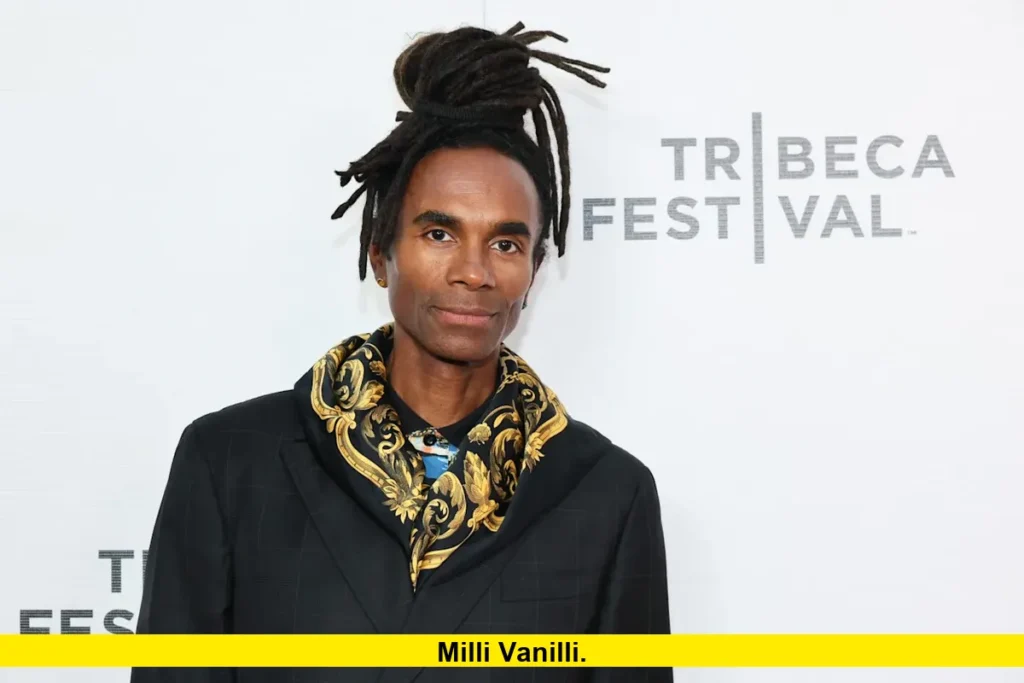
After organizers released promotional materials listing performers expected to appear at the Great American State Fair, individuals associated with the current Milli Vanilli brand reportedly expressed uncertainty about why the act had been included in the announced lineup. Their comments added another layer of confusion to an issue that was already attracting significant public and media attention.
Although the circumstances differed from some of the other high-profile responses connected to the event, the result was similar: additional questions emerged about artist participation and the process used to confirm performers before their names were publicly announced.
For many observers, the Milli Vanilli situation reinforced concerns that had already surfaced following reactions from other artists. What initially appeared to be isolated disputes was increasingly being viewed as part of a broader pattern involving communication between event organizers, talent representatives, and performers.
The development also highlighted how rapidly the conversation surrounding Freedom 250 had evolved. Rather than focusing primarily on the fair’s educational exhibits, state showcases, cultural displays, family activities, and patriotic programming, much of the public discussion centered on whether announced performers had actually agreed to participate.
Media outlets covering the event began tracking artist responses almost as closely as the event itself. Each new statement generated fresh headlines and renewed scrutiny of the entertainment roster, keeping the lineup controversy in the public eye.
For organizers, the situation presented both opportunities and challenges. On one hand, the growing attention increased public awareness of the Great American State Fair and its role in the nation’s 250th anniversary celebrations. On the other hand, repeated questions about performer participation risked overshadowing the broader goals of the event and the extensive planning behind the nationwide celebration.
As a result, the entertainment lineup became one of the most closely examined aspects of Freedom 250. The questions surrounding Milli Vanilli’s inclusion added to the ongoing debate and further demonstrated how artist-related issues had become a central storyline in the lead-up to one of the country’s most anticipated semi quincentennial events.
Why the Story Matters
The attention surrounding the Freedom 250 lineup controversy extends far beyond the question of which artists will ultimately perform at the Great American State Fair.
At the center of the story is the celebration of America’s 250th anniversary, a historic milestone that carries significance well beyond the entertainment world. The semiquincentennial marks 250 years since the signing of the Declaration of Independence and is expected to be one of the largest nationwide commemorations in modern U.S. history. Federal agencies, state governments, local communities, cultural institutions, businesses, and nonprofit organizations have spent years preparing events designed to recognize the occasion.
Because of the scale and importance of the anniversary, activities connected to the celebration are receiving extraordinary public attention. Major events are expected to attract millions of visitors, generate extensive media coverage, and draw participation from people across the United States and around the world. As a result, even developments that might normally be considered routine—such as performer withdrawals or lineup revisions—can quickly become national news.
The Freedom 250 controversy demonstrates how entertainment programming often becomes a focal point during major public celebrations. Music festivals and concert series are frequently among the most visible elements of large events, making performer announcements especially important. When questions arise about artist participation, those issues can attract as much attention as the event itself.
Another reason the story has resonated is that it highlights the complexity of organizing a large-scale national gathering. Events of this size typically involve coordination among dozens of performers, talent agencies, managers, sponsors, vendors, government entities, security officials, production companies, and event planners. With so many moving parts, communication challenges and scheduling changes can occur, particularly when planning extends over many months.
The controversy has also underscored the impact of social media in today’s entertainment landscape. Statements from performers can spread worldwide within minutes, allowing artists to respond directly to announcements and creating immediate public discussion. In previous decades, similar disputes might have remained behind the scenes. Today, they can quickly become headline stories followed by millions of people online.
For organizers, the situation serves as a reminder that public expectations are especially high when an event is tied to a major national milestone. Every announcement, lineup change, and performer response receives greater scrutiny because the celebration itself carries such symbolic importance.
Ultimately, the story is not just about a concert lineup. It reflects the broader challenges and public attention that accompany historic national celebrations. As preparations continue for the country’s 250th anniversary, the Freedom 250 performer controversy has become an example of how cultural events, entertainment, and public expectations can intersect during one of the most significant commemorations in American history.
Organizers Continue Preparing for the Festival
Despite the controversy surrounding the entertainment lineup, Freedom 250 organizers have continued to emphasize that preparations for the Great American State Fair remain on schedule and that the event’s broader mission has not changed.
Officials have consistently promoted the fair as a nationwide celebration designed to showcase the history, culture, achievements, and diversity of the United States during the country’s 250th anniversary year. While performer withdrawals and lineup questions have generated significant media attention, organizers have maintained that the fair encompasses far more than its concert programming.
The Great American State Fair is expected to offer a wide variety of attractions aimed at visitors of all ages, with programming spread throughout the National Mall and surrounding event spaces. Organizers have described the festival as an immersive experience combining entertainment, education, culture, and civic engagement.
Among the activities currently planned are:
- Live music performances featuring artists and entertainers scheduled throughout the celebration.
- State pavilions showcasing the unique history, traditions, tourism destinations, industries, and cultural heritage of all 50 states and U.S. territories.
- Historical exhibits highlighting key moments in American history and the nation’s development over the past 250 years.
- Family-friendly attractions designed to engage children and adults through hands-on activities and interactive experiences.
- Educational programming focused on civics, innovation, science, leadership, and the American story.
- Cultural demonstrations featuring music, arts, crafts, performances, and traditions from diverse communities across the country.
- Food experiences offering visitors opportunities to sample regional cuisines and culinary traditions from different parts of the United States.
- Interactive displays that encourage participation through technology, exhibits, and experiential learning opportunities.
- Evening entertainment including special presentations, performances, and celebrations intended to create a festival atmosphere throughout the event.
Organizers have continued to market the fair as one of the signature attractions of the America 250 commemorations, emphasizing themes of unity, civic pride, innovation, and national heritage. Promotional materials highlight the event as an opportunity for Americans from every region of the country to come together and celebrate a shared milestone in the nation’s history.
While the performer controversy has undoubtedly attracted headlines, planning efforts for exhibits, state participation, logistics, visitor services, security, and programming have continued. Event officials have repeatedly indicated that preparations remain underway and that the fair will deliver a broad range of experiences beyond its entertainment lineup.
As the opening date approaches, organizers remain focused on presenting what they describe as a once-in-a-generation celebration of American history, culture, and achievement. Whether visitors attend for the music, educational exhibits, cultural showcases, or patriotic festivities, the Great American State Fair is still expected to be one of the most prominent public events of the nation’s 250th anniversary year.
Performers Still Associated With the Event
Although some artists have stepped away, several performers remain connected to the announced lineup.
Among the artists who have been listed in promotional materials are:
| Performer | Reported Status |
|---|---|
| Vanilla Ice | Listed |
| Flo Rida | Listed |
| Martina McBride | Listed |
| Bret Michaels | Listed |
| The Commodores | Listed |
| C+C Music Factory | Listed |
| Young MC | Withdrawn |
| Morris Day and The Time | Not participating |
| Milli Vanilli | Status questioned |
As with many large festivals, lineup details may continue evolving before opening day.
Event organizers frequently adjust schedules, performers, and programming as preparations progress.
The Role of Social Media
Social media played a central role in turning the Freedom 250 lineup dispute from an industry matter into a nationally discussed news story.
In today’s entertainment landscape, artists no longer need to rely solely on publicists, formal press releases, or media interviews to communicate with fans. Through their own social media accounts, performers can instantly respond to announcements, clarify their positions, and address reports circulating online. That direct line of communication was a major factor in how the Freedom 250 controversy unfolded.
As questions emerged about the event’s announced performers, several artists used personal platforms and public statements to explain whether they intended to participate. Because those messages came directly from the artists themselves, they attracted immediate attention from fans, journalists, and entertainment outlets.
Within hours, screenshots, videos, comments, and statements were being shared across multiple social media platforms. Discussions quickly expanded beyond the artists’ followers and reached a much broader audience. Entertainment reporters began citing those posts in news coverage, while users across the country debated the developments online.
The speed at which information traveled was particularly significant. In previous decades, similar disputes might have taken days or weeks to gain widespread attention. News organizations often relied on official statements, scheduled interviews, or press conferences before publishing stories. Today, a single social media post can generate headlines within minutes and become the basis for nationwide discussion before traditional media outlets have even published their first reports.
The Freedom 250 situation demonstrates how social media has transformed the flow of entertainment news. Information no longer moves through a limited number of gatekeepers. Instead, artists, managers, event organizers, journalists, and fans all participate in a real-time conversation that can rapidly shape public understanding of an issue.
Another important aspect of social media is its influence on public perception. Once an artist publicly comments on a controversy, that statement often becomes a defining part of the story. Reactions, reposts, and commentary can amplify the message far beyond its original audience, influencing how people view the event and the organizations involved.
For Freedom 250 organizers, the online reaction created both visibility and challenges. While the controversy increased awareness of the upcoming Great American State Fair, it also shifted attention away from many of the event’s planned attractions and toward questions about performer participation.
Ultimately, the controversy serves as a modern example of how social media can shape major public events. What might once have remained a behind-the-scenes dispute became a widely discussed national story because performers were able to communicate directly with millions of people in real time. The episode highlights the growing power of digital platforms to influence news coverage, public opinion, and the overall narrative surrounding high-profile celebrations.
Public Reaction Remains Divided
Public reaction to the Freedom 250 performer controversy has remained sharply divided, reflecting the broader debates that often emerge around high-profile cultural events and national celebrations.
On one side, many people have expressed support for the artists who publicly clarified their positions or chose not to participate. These supporters argue that performers have the right to decide which events they wish to be associated with and should be free to address questions about their involvement directly with fans. For them, the controversy is largely about transparency, communication, and ensuring that artists are accurately represented in promotional materials.
Others view the situation differently. Some believe that large national celebrations should remain focused on entertainment, culture, and shared civic experiences rather than becoming the subject of public disputes. From this perspective, the attention surrounding performer withdrawals has overshadowed the broader goals of the Great American State Fair and the commemoration of America’s 250th anniversary.
The differing viewpoints have fueled extensive discussion across social media platforms, comment sections, entertainment websites, and online forums. Supporters and critics alike have debated everything from artist autonomy and event promotion practices to the role of entertainers in public celebrations. As often happens in the digital age, those conversations have continued long after the initial announcements were made.
Supporters of the event frequently emphasize the historic significance of the semiquincentennial celebration. They point to the fair’s planned exhibits, cultural showcases, educational programming, and family-friendly attractions as reasons why the event remains important regardless of changes to the entertainment lineup. For these individuals, the central focus should be the opportunity to celebrate a major milestone in American history and bring people together through shared experiences.
Meanwhile, critics continue to focus on the concerns raised by performers who questioned their inclusion or publicly declined participation. They argue that the controversy raises legitimate questions about communication, artist consent, and the process used to announce entertainers for a nationally prominent event.
Because the story involves recognizable performers, a major public celebration, and widespread media coverage, it has generated strong opinions across a wide range of audiences. The combination of celebrity involvement and the significance of the America 250 commemorations has ensured that each new development receives considerable attention.
As a result, the debate shows little sign of disappearing quickly. The differing reactions have helped keep the Freedom 250 controversy in the public conversation, transforming what might have been a routine lineup adjustment into one of the most closely followed entertainment stories connected to the nation’s 250th anniversary celebrations.
Impact on Event Promotion
The performer controversy has had a significant impact on how the Great American State Fair is being discussed and promoted in the months leading up to its opening.
From a publicity standpoint, the dispute has dramatically increased public awareness of the event. Before the lineup controversy emerged, many Americans may have been only vaguely familiar with the Great American State Fair or its connection to the nation’s 250th anniversary celebrations. Once high-profile artists began publicly responding to their inclusion in promotional materials, however, the event quickly became the subject of national headlines and widespread online discussion.
As a result, the festival received a level of media exposure that might otherwise have taken months of traditional marketing efforts to achieve. News reports, social media conversations, entertainment websites, and television coverage introduced the event to audiences that may not have previously been following America 250 planning efforts.
In that sense, the controversy increased the fair’s visibility. Even people who had little interest in the event itself became aware of its existence through coverage of the lineup dispute. The Great American State Fair’s name appeared in countless news stories and online discussions, expanding public recognition far beyond the audience originally targeted by organizers.
However, increased visibility does not necessarily translate into the kind of attention event planners typically seek.
Large public celebrations generally aim to build excitement around attractions, performances, exhibits, educational programming, and visitor experiences. Organizers prefer coverage that highlights what attendees can expect to see and do. When controversy becomes the primary focus, it can overshadow those promotional goals and alter the public narrative surrounding the event.
That is one of the key challenges organizers now face. While the performer dispute has generated enormous interest, event officials must continue directing attention toward the fair’s broader mission—celebrating American history, culture, innovation, and the nation’s 250th anniversary. Doing so requires reminding potential visitors that the event includes much more than its entertainment lineup.
The situation also illustrates a common reality in modern event promotion: public attention is valuable, but organizers do not always control the reasons why that attention develops. A story that begins with artist participation can quickly become the defining narrative, regardless of how many other attractions are planned.
Whether the controversy ultimately affects attendance remains uncertain. Some observers believe the additional publicity could encourage more people to learn about the event and consider attending. Others suggest that prolonged focus on lineup disputes may distract from the festival’s intended message and programming.
At this stage, there is no clear evidence regarding how the controversy will influence visitor turnout. What is clear, however, is that the Great American State Fair has attracted substantially more national attention than many comparable events receive at this point in their planning cycle.
As preparations continue, organizers will likely focus on showcasing the fair’s exhibits, state pavilions, cultural demonstrations, educational programs, food experiences, and family attractions in an effort to ensure that the conversation surrounding Freedom 250 extends beyond performer withdrawals and reflects the broader goals of the historic celebration.
America 250 Celebrations Extend Beyond One Event
While the Freedom 250 lineup controversy has attracted considerable attention, it represents only a small part of the much broader effort to commemorate America’s 250th anniversary in 2026.
The semiquincentennial is expected to be one of the largest national commemorations in modern U.S. history, with events planned across all 50 states and U.S. territories. Government agencies, local communities, museums, historical societies, educational institutions, veterans’ organizations, cultural groups, and nonprofit organizations have spent years preparing programs intended to recognize the historic milestone.
Across the country, cities and states are developing celebrations that reflect their own histories and contributions to the American story. Many communities are planning public festivals, historical reenactments, exhibitions, educational initiatives, concerts, parades, and civic events designed to engage residents and visitors alike. These activities aim to encourage reflection on the nation’s past while also exploring its future.
Museums and historical institutions are expected to play a particularly important role. Special exhibits, artifact displays, lectures, and public programs will help tell the story of the United States through multiple perspectives and experiences. Educational organizations are also preparing classroom resources, student programs, and community outreach initiatives intended to deepen public understanding of the country’s history and democratic institutions.
In addition to historical programming, many America 250 events will focus on themes such as civic engagement, innovation, military service, arts, culture, and community service. Organizers across the country have emphasized that the anniversary is not only an opportunity to look back at 250 years of history but also a chance to discuss the nation’s future and the responsibilities of citizenship.
The Great American State Fair remains one of the most visible and ambitious projects associated with the anniversary. Its location on the National Mall and its goal of bringing together representatives from every state and territory have made it a centerpiece attraction within the broader celebration. However, it is only one element of a nationwide effort that extends far beyond Washington, D.C.
Many other events are expected to attract substantial public participation throughout 2026. From local commemorations and community gatherings to major national exhibitions and cultural festivals, Americans will have numerous opportunities to take part in anniversary activities regardless of where they live.
As the anniversary year approaches, organizers across the country continue refining plans, announcing new programs, and encouraging public involvement. Although headlines have recently focused on the Freedom 250 entertainment lineup, the larger America 250 initiative encompasses thousands of events and activities designed to commemorate one of the most significant milestones in the nation’s history.
For that reason, the story of America’s 250th anniversary extends well beyond any single festival or controversy. The Great American State Fair may be among the most prominent celebrations, but it is part of a nationwide observance that aims to engage communities, honor history, and bring Americans together throughout the historic year of 2026.
What Happens Next?
As preparations for the Great American State Fair continue, attention remains focused on future announcements from organizers and performers. Additional updates regarding the concert lineup, event programming, and festival plans are expected in the coming weeks as the America 250 celebrations move closer.
For now, much of the public conversation continues to center on artists who publicly declined participation after being included in promotional materials. Those responses have turned the lineup dispute into one of the most widely discussed aspects of the Freedom 250 celebration and have generated significant national media coverage.
Despite the controversy, organizers continue to promote the fair as a major showcase of American history, culture, education, innovation, and entertainment. The challenge ahead will be shifting public attention away from performer withdrawals and back toward the broader goals of the nation’s 250th anniversary celebration.
As the anniversary year approaches, organizers and participating artists will likely focus on ensuring that the historic significance of America’s semi quincentennial remains the central story of the event.
What are your thoughts on the latest Freedom 250 lineup developments? Share your perspective in the comments and stay tuned for more updates as the celebration approaches.