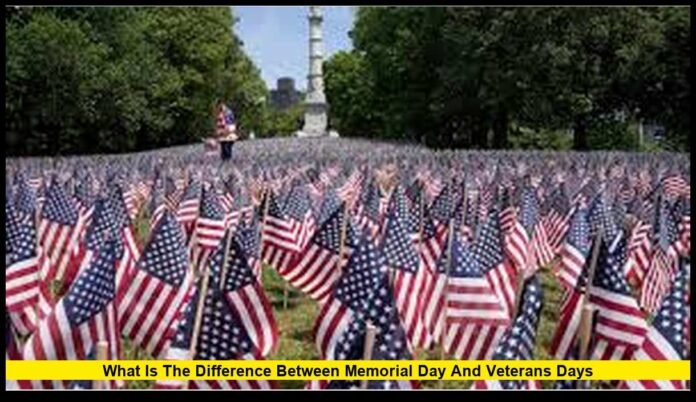

Every year, millions of Americans pause to honor members of the U.S. military during national observances that recognize sacrifice and service. Yet many people still ask the same important question: what is the difference between memorial day and veterans day? Although both holidays focus on the armed forces, they represent two very different forms of recognition within American history and culture.
In 2026, Memorial Day will be observed on Monday, May 25, while Veterans Day will take place on Wednesday, November 11. Communities across the United States are already preparing ceremonies, educational events, military tributes, and public gatherings to mark both occasions. Veterans organizations and military families continue encouraging Americans to understand the distinction between the holidays because each carries a unique emotional and historical meaning.
For many families with military ties, these observances are more than federal holidays on the calendar. They are personal reminders of sacrifice, service, courage, and remembrance that span generations of American history.
Why Americans Often Confuse Memorial Day and Veterans Day
The confusion surrounding Memorial Day and Veterans Day has existed for decades. Both holidays involve patriotic ceremonies, military uniforms, American flags, and tributes to those connected to the armed forces. Schools teach lessons about military history during both observances, and communities frequently hold parades for each holiday.
However, the core purpose behind each day is very different.
Memorial Day honors military personnel who died while serving the United States. Veterans Day recognizes all Americans who served in the military, whether they served during wartime or peacetime and whether they are living or deceased.
That distinction remains deeply important to veterans groups, Gold Star families, and military organizations nationwide.
The Meaning of Memorial Day
Memorial Day is dedicated to remembering U.S. service members who lost their lives during military service. It is widely considered one of the nation’s most solemn observances.
The holiday is observed on the last Monday of May each year. In 2026, Memorial Day falls on May 25.
Across the country, Americans honor fallen troops by visiting cemeteries, attending remembrance ceremonies, displaying American flags, and participating in community tributes. National cemeteries often become focal points for public observances, especially locations connected to military history.
Many Americans also participate in the National Moment of Remembrance at 3 p.m. local time on Memorial Day. The moment encourages people to pause briefly and reflect on those who died serving the country.
Unlike some patriotic holidays that focus heavily on celebration, Memorial Day carries a more reflective tone. For many military families, it is a deeply emotional day connected to personal loss and national sacrifice.
How Memorial Day Began
The origins of Memorial Day trace back to the aftermath of the Civil War, which caused more American military deaths than any other conflict in U.S. history.
Communities across the nation began honoring fallen soldiers by decorating their graves with flowers, flags, and wreaths. The observance became known as Decoration Day.
In 1868, General John A. Logan called for a nationwide remembrance day honoring Union soldiers who died during the Civil War. Over time, the tradition spread across the country and evolved into a broader tribute to all American military personnel who died in service.
After World War I, the holiday expanded further to recognize fallen troops from every branch of the military and every conflict involving the United States.
Congress later established Memorial Day as an official federal holiday, and the Uniform Monday Holiday Act moved the observance to the last Monday in May beginning in 1971.
Today, Memorial Day remains one of the country’s most important national observances tied to military sacrifice.
What Veterans Day Represents
Veterans Day focuses on honoring everyone who has served in the U.S. Armed Forces.
That includes:
- Army veterans
- Navy veterans
- Air Force veterans
- Marine Corps veterans
- Coast Guard veterans
- Space Force veterans
- National Guard and Reserve veterans
Veterans Day recognizes both wartime and peacetime service. Americans use the holiday to thank veterans for their commitment, dedication, and years of military duty.
The holiday is observed every year on November 11, regardless of which day of the week it falls on. In 2026, Veterans Day will occur on a Wednesday.
Unlike Memorial Day, Veterans Day ceremonies often carry a celebratory tone. Communities organize appreciation events, school assemblies, recognition programs, and military parades focused on living veterans and their contributions.
Many businesses also provide discounts or free meals for veterans during the holiday.
The History Behind Veterans Day
Veterans Day originally began as Armistice Day after World War I ended in 1918.
The armistice between Allied nations and Germany took effect during the “11th hour of the 11th day of the 11th month.” Americans began commemorating the anniversary as a day dedicated to peace and remembrance following the devastating global conflict.
Congress officially recognized Armistice Day in the 1930s.
After World War II and the Korean War, the United States decided to broaden the holiday’s meaning to honor veterans from all military conflicts and periods of service. In 1954, President Dwight D. Eisenhower officially changed the name from Armistice Day to Veterans Day.
The updated holiday became a nationwide tribute to all military veterans.
Why Memorial Day Holds Deep Emotional Meaning for Military Families
For Gold Star families, Memorial Day carries a deeply personal meaning.
Gold Star families are immediate relatives of military personnel who died while serving the nation. Many participate in annual ceremonies, cemetery visits, and remembrance events across the country.
At military cemeteries, volunteers often place small American flags at gravesites before Memorial Day weekend begins. Ceremonies frequently include military honors, moments of silence, and the playing of “Taps.”
For families who lost loved ones in war, Memorial Day is not simply the unofficial start of summer. It is a day connected to memory, grief, pride, and national recognition.
Veterans organizations across the United States continue encouraging Americans to remember the original purpose behind the holiday amid travel, barbecues, and retail promotions tied to the long weekend.
How Americans Observe Veterans Day
Veterans Day celebrations vary widely from community to community, but the focus remains centered on appreciation for military service.
Common Veterans Day traditions include:
- Veterans appreciation ceremonies
- School history programs
- Public speeches and tributes
- Community parades
- Recognition events for local veterans
- Military-themed assemblies
- Honor flights and memorial visits
Many schools invite veterans to speak with students about military history and service experiences. Communities also organize events recognizing veterans from different generations, including World War II veterans, Korean War veterans, Vietnam veterans, Gulf War veterans, and post-9/11 veterans.
The holiday serves as a reminder of the broad impact military service has had on American society throughout history.
The Difference Between Remembrance and Appreciation
One of the clearest ways to understand these two holidays is by recognizing the emotional focus behind each observance.
Memorial Day centers on remembrance.
Veterans Day centers on appreciation.
Memorial Day honors those who never returned home from military service.
Veterans Day thanks those who served and survived.
This distinction explains why military organizations often encourage Americans not to confuse the holidays or use the terms interchangeably.
While patriotism connects both observances, their purposes remain separate and meaningful in different ways.
How Schools and Museums Teach the Holidays
Educational institutions increasingly focus on teaching younger generations about the history behind military observances.
Students often participate in activities such as:
- Historical presentations
- Flag ceremonies
- Veteran interviews
- Essay contests
- Memorial projects
- Community volunteer events
Museums and historical organizations also host exhibits highlighting military history, veterans’ experiences, and stories of sacrifice connected to American conflicts.
Educators say understanding these holidays helps students connect with broader themes of civic duty, national identity, and historical remembrance.
The Role of Arlington National Cemetery
Arlington National Cemetery remains one of the most recognized locations associated with Memorial Day observances.
Each year, thousands gather at the cemetery for national ceremonies honoring fallen service members. Military traditions such as wreath-laying ceremonies and grave decorations remain central parts of the observance.
The cemetery serves as the resting place for veterans and military personnel from multiple generations of American history.
Presidential appearances and military honors at Arlington continue to draw national attention every Memorial Day.
How Memorial Day Became Linked to Summer Travel
Although Memorial Day originated as a solemn military observance, it has also become one of the busiest travel weekends of the year in the United States.
Families often gather for vacations, cookouts, and outdoor events during the three-day weekend. Retailers also launch major seasonal sales tied to the holiday period.
Despite those modern traditions, veterans groups continue encouraging Americans to take at least a few moments during the weekend to reflect on the lives lost in military service.
Many communities balance both aspects of the holiday by combining remembrance ceremonies with public gatherings and family activities.
How Veterans Day Continues to Evolve
Veterans Day observances have evolved over the years to include newer generations of veterans who served in Iraq, Afghanistan, and other post-9/11 military operations.
Communities now increasingly recognize the challenges veterans face after military service, including healthcare access, employment transitions, and mental health support.
Many Veterans Day programs focus not only on appreciation but also on providing practical resources and community outreach for former service members.
The holiday remains one of the country’s strongest public acknowledgments of military service.
Why Understanding the Difference Matters in 2026
As discussions about patriotism, military history, and national identity continue across the country, understanding the distinction between military holidays remains important.
The question of what is the difference between memorial day and veterans day continues appearing online every year because many Americans want a clearer understanding of how to properly honor service members and veterans.
Military organizations say preserving the meaning behind both holidays helps maintain respect for the people they recognize.
Memorial Day ensures the country remembers those who died in service.
Veterans Day ensures living veterans receive recognition for their contributions and sacrifices.
Both observances remain deeply woven into American culture and national history.
The Importance of Passing Traditions to Future Generations
Many families use military holidays as opportunities to share stories about relatives who served in the armed forces.
Children often learn about family military history through cemetery visits, memorial ceremonies, photographs, medals, or conversations with older relatives.
Veterans groups and educators say those traditions help preserve historical memory and ensure younger generations understand the sacrifices connected to military service.
Community events, school programs, and public observances continue playing a major role in keeping those traditions alive across the country.
As Memorial Day and Veterans Day approach in 2026, Americans once again prepare to honor the people whose service shaped the nation’s history and freedoms.
How does your community recognize Memorial Day or Veterans Day each year? Share your traditions and stay connected for more U.S. history and military holiday updates.