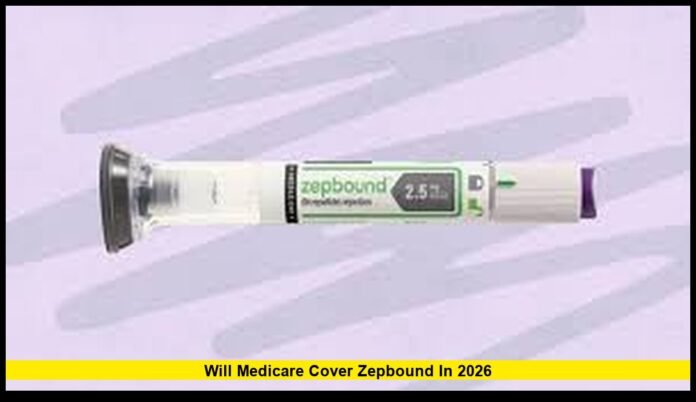

Rising healthcare costs and growing demand for weight-management medications have pushed one major question into the national spotlight: will medicare cover zepbound in 2026? For millions of older Americans, the answer could shape how they manage obesity-related health conditions, prescription expenses, and long-term medical care in the years ahead.
Federal health officials are preparing major Medicare policy adjustments connected to GLP-1 medications, including Zepbound, as the government responds to increasing demand for obesity treatment options. The upcoming changes are expected to affect Medicare beneficiaries nationwide, especially those struggling with high out-of-pocket drug costs.
The growing focus on obesity care comes as healthcare systems across the country report increased use of GLP-1 medications for conditions tied to weight, cardiovascular health, sleep apnea, and metabolic disorders. Medicare’s evolving position on Zepbound now represents one of the biggest healthcare stories heading into 2026.
Patients, doctors, insurers, and retirees are closely watching how the new coverage structures will work and who may qualify once the changes officially begin.
Why Zepbound Became a National Medicare Issue
Zepbound has quickly become one of the most recognized prescription medications in the United States because of its role in weight management and obesity-related treatment plans.
The drug uses tirzepatide, which targets hormone pathways associated with appetite control, blood sugar regulation, and metabolism. Demand surged as patients and physicians reported strong weight-loss results and improvements tied to obesity-related health risks.
But despite growing popularity, affordability became a major challenge.
Many Medicare beneficiaries found themselves unable to access the medication because traditional Medicare rules historically limited coverage for drugs prescribed primarily for weight loss. Patients without insurance assistance often faced monthly costs that placed the medication out of reach.
That issue sparked increasing pressure on federal healthcare officials to reconsider how obesity medications fit into Medicare policy.
Now, significant changes are approaching.
Major Medicare GLP-1 Program Launching in 2026
One of the biggest developments involves a temporary federal initiative scheduled to begin in 2026 that aims to improve access to GLP-1 medications for qualifying Medicare beneficiaries.
The upcoming program is designed to help eligible seniors obtain medications like Zepbound at significantly lower monthly costs compared to current retail pricing.
Federal officials announced that the initiative will function as a nationwide demonstration program focused on obesity treatment access and affordability. The goal is to reduce barriers for patients dealing with serious weight-related medical conditions.
Under the planned structure, eligible beneficiaries may be able to receive Zepbound for approximately $50 per month during the demonstration period.
The announcement immediately drew attention from seniors, healthcare providers, and advocacy groups who have spent years calling for broader access to obesity medications under Medicare.
How Medicare Coverage Rules Have Changed
Historically, Medicare excluded most drugs used strictly for weight loss.
That long-standing restriction prevented broad Medicare Part D coverage for many obesity medications, even as obesity-related diseases continued affecting millions of Americans.
However, recent regulatory developments created new pathways for coverage under specific medical conditions.
Zepbound gained additional attention after receiving approval connected to obstructive sleep apnea in adults with obesity. That distinction became important because Medicare rules often allow coverage for medications tied to recognized medical conditions beyond weight loss alone.
As a result, some Medicare beneficiaries already qualify for Zepbound through existing Part D plans when prescribed for certain approved medical uses.
The broader 2026 initiative now expands the conversation much further.
Who Could Qualify for Zepbound Coverage in 2026
Eligibility standards are expected to focus on patients with obesity or obesity-related medical conditions.
Current program guidance indicates that qualifying individuals may include:
- Medicare beneficiaries enrolled in Part D prescription coverage
- Adults with obesity based on body mass index measurements
- Patients with obesity-related medical complications
- Individuals who meet physician documentation requirements
- Patients approved through prior authorization processes
Healthcare providers will likely play a major role in determining whether patients meet eligibility standards.
Medical records, BMI documentation, treatment history, and physician evaluations may all factor into approval decisions once the program begins.
Why Doctors Support Expanded Access
Many physicians and obesity specialists argue that broader Medicare access could improve long-term health outcomes for older Americans.
Obesity often contributes to serious medical conditions including:
- Heart disease
- Sleep apnea
- Joint problems
- Type 2 diabetes
- High blood pressure
- Mobility limitations
Doctors say expanded treatment access could help reduce complications tied to those conditions over time.
Healthcare providers have also emphasized that obesity treatment involves more than appearance or cosmetic concerns. Many specialists view obesity as a chronic medical condition requiring long-term management strategies.
The 2026 changes reflect a broader shift in how federal healthcare programs approach obesity treatment in older adults.
What Patients Need to Know About Part D Plans
Even with new federal initiatives approaching, Medicare Part D remains central to how prescription drug access works.
Patients generally must maintain Medicare drug coverage through either:
- Original Medicare combined with a Part D plan
- Medicare Advantage plans that include prescription coverage
Without drug coverage, beneficiaries may not qualify for certain obesity medication programs.
Part D formularies may still vary depending on the insurer and specific plan selected. Some plans could require additional approval steps before covering Zepbound.
Patients are expected to review plan details carefully during enrollment periods to understand how obesity medications are handled under their specific coverage options.
The Growing Demand for GLP-1 Medications
Interest in GLP-1 medications has exploded across the healthcare industry over the past two years.
Doctors report increasing demand not only from younger adults but also from seniors seeking treatment for obesity-related complications.
The growing popularity of these medications has reshaped conversations around:
- Weight management
- Chronic disease prevention
- Healthcare spending
- Insurance coverage
- Medicare policy
Drug manufacturers have also increased production efforts as demand continues rising nationwide.
Healthcare analysts expect interest in Zepbound and similar medications to remain strong throughout 2026 and beyond.
Financial Pressure on Medicare Beneficiaries
High prescription drug prices remain one of the biggest concerns for retirees living on fixed incomes.
Without insurance assistance, obesity medications often cost hundreds or even thousands of dollars each month.
For many seniors, those prices created impossible financial decisions between medication access and other living expenses.
That financial burden became one of the driving forces behind the federal push to create new affordability programs.
The temporary GLP-1 initiative launching in 2026 is expected to reduce monthly patient expenses significantly for qualifying beneficiaries.
Still, patients should understand that not every expense may disappear entirely.
What the $50 Monthly Cost Means
One of the most widely discussed aspects of the upcoming Medicare initiative involves the projected monthly patient cost.
Federal officials indicated that eligible beneficiaries participating in the demonstration program may be able to receive Zepbound for roughly $50 per month.
That represents a dramatic reduction compared to standard retail pricing.
However, experts note that the structure may differ from traditional Medicare prescription spending systems.
Certain payments connected to the temporary initiative may not count toward:
- Part D deductibles
- Annual out-of-pocket limits
- Standard catastrophic coverage thresholds
Patients should carefully review all plan details and speak with healthcare providers before enrolling in new coverage options.
Will Every Medicare Beneficiary Automatically Get Coverage?
No automatic nationwide approval exists for all Medicare patients.
The program still involves eligibility standards and medical requirements.
Patients may need to provide:
- Physician documentation
- Medical history
- BMI verification
- Prior authorization forms
- Records tied to obesity-related conditions
Coverage rules could also vary depending on participating Medicare drug plans.
Because the initiative is structured as a demonstration program, implementation details may continue evolving throughout 2026.
How Sleep Apnea Opened the Door for Medicare Coverage
One major turning point came when Zepbound received approval connected to obstructive sleep apnea treatment in adults with obesity.
That development created a pathway for some Medicare Part D plans to cover the medication under existing rules tied to recognized medical conditions.
Patients with moderate-to-severe obstructive sleep apnea may already qualify for coverage depending on their Medicare plan and physician documentation.
The sleep apnea approval became one of the clearest examples of how obesity medications are increasingly being treated as broader healthcare tools rather than standalone weight-loss products.
That shift helped push policymakers toward larger Medicare reforms connected to obesity treatment access.
Healthcare Providers Expect Heavy Demand in 2026
Doctors across the country are preparing for a possible surge in patient interest once the new Medicare initiative officially launches.
Healthcare offices are already seeing increased questions about:
- Eligibility requirements
- Medicare enrollment periods
- Prior authorization procedures
- GLP-1 medication access
- Zepbound pricing
Physicians encourage patients to begin reviewing coverage options early rather than waiting until the last minute.
Because insurance approvals may take time, preparation could help reduce delays once the program begins.
Long-Term Medicare Changes Could Continue Beyond 2026
The temporary GLP-1 program may only represent the beginning of broader federal obesity-treatment reforms.
Federal healthcare officials are already developing additional long-term models designed to continue improving access to obesity medications under Medicare.
Some future programs are expected to launch in 2027 and beyond for participating Medicare plans.
Those initiatives may focus on:
- Lower prescription costs
- Coordinated obesity treatment
- Chronic disease management
- Expanded patient eligibility
- Long-term healthcare savings
Healthcare experts say the federal government is attempting to balance affordability with concerns about rising national prescription drug spending.
What Seniors Should Do Before Enrollment Season
Medicare beneficiaries interested in Zepbound coverage should monitor plan announcements carefully throughout 2026.
Important steps may include:
- Reviewing Medicare Part D options
- Comparing formularies
- Speaking with physicians about eligibility
- Gathering medical documentation
- Understanding prior authorization requirements
Patients should also pay attention to annual Medicare enrollment deadlines to avoid missing opportunities tied to updated prescription coverage.
The Future of Obesity Treatment Under Medicare
The national conversation around obesity care has changed dramatically in recent years.
Federal healthcare programs are increasingly recognizing obesity-related conditions as serious medical issues tied to long-term healthcare costs and quality of life.
As a result, medications like Zepbound are becoming central to broader healthcare policy discussions involving seniors, chronic disease management, and Medicare spending.
For many beneficiaries, 2026 could become the year that meaningful access to obesity medication finally becomes possible under Medicare.
The answer to whether will medicare cover zepbound in 2026 is no longer as uncertain as it once was. Federal programs, physician support, and evolving Medicare policies are moving toward broader access for eligible patients across the United States.
Patients considering treatment should stay informed about eligibility updates, enrollment timelines, and physician guidance as the new Medicare programs approach rollout.
Do you think Medicare should continue expanding access to obesity medications like Zepbound? Share your thoughts and stay tuned for more healthcare updates throughout 2026.