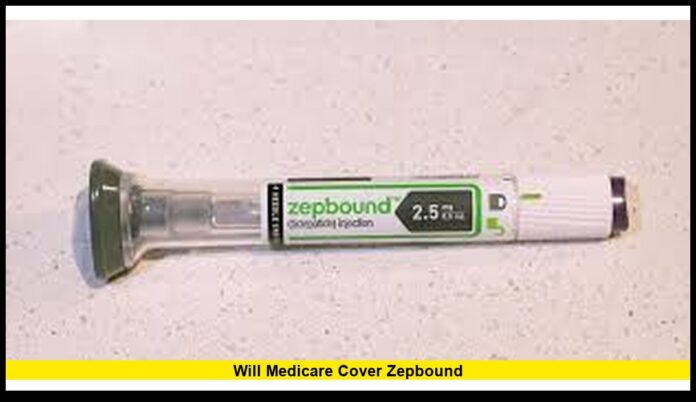

Americans searching for answers about will medicare cover zepbound in 2026 are seeing major developments unfold as federal health officials roll out new Medicare programs tied to GLP-1 medications. After years of limited access to weight-loss drugs under Medicare rules, 2026 is becoming a turning point for beneficiaries hoping to lower prescription costs for Zepbound and similar treatments.
The changes come as obesity-related health conditions continue rising among older adults in the United States. Medicare beneficiaries have increasingly pushed for broader access to medications that treat obesity, sleep apnea, cardiovascular disease, and related chronic conditions. Now, updated federal guidance is opening new coverage pathways that did not exist before.
For many seniors, these developments could dramatically reduce out-of-pocket spending beginning this summer.
At the same time, Medicare rules remain complicated. Coverage may depend on why the medication is prescribed, which Medicare plan a beneficiary uses, and whether patients meet specific health requirements established by federal regulators.
People considering Zepbound this year are being encouraged to review their Medicare drug plans early and speak with physicians before enrollment periods begin.
The growing attention surrounding GLP-1 medications has also transformed the national healthcare debate, especially as millions of Americans seek new obesity treatment options.
Patients across the country are now closely tracking Medicare updates that could affect access, pricing, and eligibility throughout 2026 and beyond.
What Is Zepbound and Why Is It So Popular?
Zepbound is a prescription medication containing tirzepatide, a drug designed to help adults manage obesity and obesity-related medical conditions. The medication works by targeting hormones involved in appetite regulation and blood sugar control.
Doctors prescribe Zepbound alongside reduced-calorie diets and increased physical activity. Patients typically inject the medication once weekly.
The drug has drawn national attention because clinical studies showed significant weight reduction in many patients. Demand increased rapidly after federal regulators approved the medication for chronic weight management.
Later, another major approval expanded Zepbound’s role in healthcare.
Federal regulators also approved the medication for adults with moderate-to-severe obstructive sleep apnea associated with obesity. That approval became especially important for Medicare coverage discussions because Medicare rules treat medically approved conditions differently from standalone weight-loss treatments.
Why Medicare Historically Refused Weight-Loss Drug Coverage
For years, Medicare law restricted coverage of medications used only for weight reduction.
That meant many beneficiaries who wanted obesity treatments had to pay the full retail cost themselves. Monthly prices for GLP-1 medications often exceeded $1,000 without insurance assistance.
The federal restriction dated back to earlier Medicare policies that excluded drugs considered lifestyle or cosmetic treatments rather than medically necessary therapies.
As obesity rates climbed nationwide, healthcare experts increasingly argued those policies no longer reflected modern medical science.
Doctors pointed to growing evidence connecting obesity with:
- Heart disease
- Type 2 diabetes
- High blood pressure
- Stroke
- Kidney disease
- Sleep apnea
- Mobility limitations
Even with mounting pressure, Medicare still generally excluded obesity drugs prescribed solely for weight management.
That began changing after newer FDA approvals linked GLP-1 medications to additional medical conditions beyond weight loss alone.
The Biggest Medicare Change Happening in 2026
The largest development this year involves a federal demonstration initiative known as the Medicare GLP-1 Bridge program.
The temporary program launches July 1, 2026, and is expected to continue through the end of 2027.
Under the initiative, qualifying Medicare beneficiaries may receive access to certain GLP-1 medications at substantially lower monthly costs.
Zepbound is among the medications included in the federal program.
This marks one of the most significant shifts in Medicare obesity-drug policy in decades.
Federal officials created the temporary initiative to expand access while collecting additional healthcare and spending data tied to GLP-1 treatments.
The broader long-term BALANCE model originally expected to launch in 2027 has now been delayed, making the temporary bridge program even more important for beneficiaries.
How the Medicare GLP-1 Bridge Program Works
Unlike standard Medicare Part D drug coverage, the Medicare GLP-1 Bridge operates through a separate federal system.
That distinction matters because beneficiaries will follow different procedures compared with normal prescription drug claims.
Under the current structure:
- CMS will manage the program through a central processing system
- Participating beneficiaries may pay approximately $50 monthly
- Coverage applies only to qualifying medications and approved uses
- Patients still must meet medical eligibility requirements
The temporary initiative applies nationwide across states and territories.
However, not every Medicare enrollee automatically qualifies.
Who May Be Eligible for Zepbound Coverage in 2026
Eligibility depends on several factors tied to health conditions, body mass index levels, and Medicare enrollment status.
Current federal guidance indicates beneficiaries generally must:
- Be enrolled in Medicare Part D or qualifying Medicare Advantage drug coverage
- Meet prior authorization requirements
- Satisfy BMI-related criteria
- Receive physician approval
Several BMI categories are expected to qualify under current rules.
Patients with BMI levels of 35 or higher may qualify without additional health conditions.
Other beneficiaries with lower BMI levels may qualify if they also have related medical complications such as:
- Chronic kidney disease
- Heart disease
- Hypertension
- Prediabetes
- Peripheral artery disease
Medical documentation will likely play a major role during approval reviews.
Zepbound Coverage for Sleep Apnea Could Be Especially Important
One of the clearest Medicare coverage pathways currently involves obstructive sleep apnea.
Because Zepbound received FDA approval for moderate-to-severe obstructive sleep apnea in adults with obesity, Medicare Part D plans can cover the medication for that medically approved use.
This distinction is critical.
Traditional Medicare restrictions still generally block drugs prescribed strictly for weight loss alone. But when the medication treats a recognized medical condition like sleep apnea, coverage rules change significantly.
Patients seeking coverage for sleep apnea treatment may need:
- A documented sleep apnea diagnosis
- Sleep study results
- Physician records
- BMI documentation
- Prior authorization approval
Coverage still varies depending on the specific Medicare plan.
Some plans may require additional medical evidence before approving prescriptions.
Which Versions of Zepbound Are Included?
Not every Zepbound formulation currently qualifies under the Medicare GLP-1 Bridge initiative.
Federal guidance specifies that the KwikPen formulation is included in the program beginning July 2026.
Single-dose pen and vial formulations are not part of the current demonstration structure.
This could affect:
- Pharmacy availability
- Prescription processing
- Insurance approvals
- Patient access timelines
Beneficiaries may need to confirm which version their physician prescribes before filling medication orders.
How Much Could Beneficiaries Save?
Cost reductions are one of the biggest reasons Medicare beneficiaries are paying attention to the new program.
Without insurance assistance, GLP-1 medications can cost retirees thousands of dollars annually.
Under the federal bridge initiative, qualifying patients may access participating medications for approximately $50 monthly.
That price represents a dramatic drop compared with standard retail costs.
However, beneficiaries should understand several important limitations:
- The temporary program operates outside normal Part D cost structures
- Payments may not count toward annual Medicare drug spending caps
- Low-income subsidy rules may function differently
- Separate authorization systems may apply
Patients using Zepbound through traditional Medicare Part D coverage for sleep apnea treatment could still face higher copays depending on their individual plans.
Medicare Advantage Plans May Have Different Rules
Millions of Americans receive coverage through Medicare Advantage plans rather than Original Medicare alone.
These plans often include prescription drug benefits, but coverage rules can vary widely between insurers.
One Medicare Advantage plan may provide favorable Zepbound access while another may impose stricter restrictions or exclude the medication entirely.
Beneficiaries comparing plans this year are being advised to carefully review:
- Formularies
- Prior authorization requirements
- Pharmacy networks
- Monthly premiums
- Estimated out-of-pocket costs
Prescription coverage details could become especially important during upcoming enrollment periods.
Doctors Expect Demand to Keep Rising
Healthcare providers nationwide report growing patient demand for GLP-1 medications.
Many Medicare beneficiaries who previously avoided treatment because of cost are now revisiting conversations with doctors as federal programs expand.
Sleep specialists are also watching closely because Zepbound became the first medication approved specifically for obstructive sleep apnea tied to obesity.
Some physicians believe the growing role of obesity treatment in healthcare policy may continue reshaping Medicare coverage discussions in future years.
At the same time, experts warn that demand could create pharmacy supply pressures if large numbers of new patients seek treatment simultaneously.
Why GLP-1 Drugs Are Creating National Debate
The rapid rise of medications like Zepbound and Wegovy has triggered major policy debates across the healthcare industry.
Supporters argue broader access could improve public health by helping patients reduce obesity-related complications before they become severe.
Potential benefits may include:
- Reduced cardiovascular risks
- Better blood sugar control
- Lower sleep apnea severity
- Improved mobility
- Fewer obesity-related hospitalizations
Critics, however, worry about the financial impact on Medicare spending if long-term obesity drug coverage expands nationwide.
Federal officials continue evaluating cost projections and health outcomes tied to the medications.
The temporary bridge program allows regulators to study utilization patterns before deciding on larger permanent policy changes.
What Beneficiaries Should Do Right Now
People interested in Zepbound coverage during 2026 may benefit from preparing early.
Review Your Current Medicare Plan
Check whether your prescription drug plan includes Zepbound on its formulary and whether prior authorization requirements apply.
Talk With Your Doctor
Discuss whether you meet eligibility criteria tied to obesity-related conditions or sleep apnea treatment.
Gather Medical Records
Sleep studies, BMI history, and documentation of related health conditions may become important during approval reviews.
Watch for CMS Updates
Federal guidance surrounding the Medicare GLP-1 Bridge may continue evolving throughout the year.
Compare Future Drug Plans Carefully
During Medicare enrollment periods, compare formularies and prescription costs closely before switching plans.
Could Medicare Coverage Expand Even More Later?
Healthcare policy experts believe the conversation surrounding obesity treatment is far from over.
Federal agencies continue studying whether broader permanent coverage models could improve long-term health outcomes while reducing costly chronic disease complications.
For now, Medicare still does not universally cover weight-loss medications for every beneficiary.
But the changes happening in 2026 represent one of the biggest shifts ever seen in federal obesity-drug access.
For millions of older Americans, that could mean lower costs, broader treatment options, and greater access to medications that were previously out of reach financially.
As federal programs continue developing, beneficiaries should remain informed about eligibility rules, enrollment timelines, and physician requirements that may affect access to treatment.
What This Means for Seniors Moving Forward
The Medicare landscape surrounding GLP-1 medications is evolving faster than many beneficiaries expected.
While coverage remains limited in some situations, 2026 introduces major new opportunities for eligible patients seeking access to Zepbound.
People with obesity-related sleep apnea currently have one of the clearest Medicare pathways. Others may qualify through the temporary federal bridge initiative launching this summer.
Still, coverage rules remain highly specific, and approval is not automatic.
Understanding the details now may help beneficiaries avoid confusion and unexpected costs later in the year.
What are your thoughts on Medicare’s new approach to GLP-1 medications and obesity treatment? Share your opinion and stay tuned for more healthcare coverage updates throughout 2026.