
Millions of Americans are taking a closer look at medicare parts in 2026 as healthcare expenses continue climbing across the country. New federal updates have already increased monthly premiums, hospital deductibles, and prescription drug costs for many retirees, creating fresh financial pressure for seniors living on fixed incomes.
The latest Medicare changes are affecting nearly every area of coverage, including outpatient care, inpatient hospital services, prescription medications, and Medicare Advantage plans. Retirement experts say beneficiaries who fail to review their coverage options this year could end up paying significantly more than expected.
For many households, Medicare has become one of the largest recurring expenses during retirement. Even moderate increases in premiums and deductibles can quickly impact monthly budgets, especially for Americans managing chronic conditions or multiple prescriptions.
As enrollment season approaches later this year, healthcare advisers are urging beneficiaries to compare plans carefully, check provider networks, and evaluate prescription drug coverage before making decisions for 2026.
Many retirees are now realizing that sticking with the same plan year after year may no longer be the most affordable strategy.
Families helping aging parents navigate Medicare choices are also paying greater attention to changes that could affect doctor access, specialist care, and medication affordability.
Part B Premiums Continue Rising
One of the biggest developments for 2026 involves Medicare Part B, which covers outpatient medical services such as physician visits, preventive screenings, laboratory tests, outpatient surgeries, physical therapy, and durable medical equipment.
The standard monthly Part B premium increased again for 2026, reaching $202.90 per month for most beneficiaries. The annual deductible also rose to $283 before coverage begins paying for many services.
While those increases may appear manageable at first glance, financial planners note that they can reduce the value of annual Social Security cost-of-living adjustments for retirees whose Medicare premiums are deducted directly from monthly benefits.
Higher-income Americans continue facing even steeper healthcare expenses through IRMAA surcharges. These additional charges apply to beneficiaries whose income exceeds federal thresholds based on previous tax returns.
Some retirees now pay hundreds of dollars more each month because of these income-based adjustments.
Healthcare economists say outpatient care expenses have risen steadily over the past several years due to inflation, increased healthcare utilization, and growing demand for specialist services among aging Americans.
As a result, many retirees are reviewing whether Original Medicare still provides the best overall value for their situation.
Hospital Costs Are Becoming a Bigger Concern
Medicare Part A, which primarily covers inpatient hospital care, skilled nursing facilities, hospice care, and limited home healthcare, also saw higher cost-sharing amounts for 2026.
Although many Americans qualify for premium-free Part A coverage through work history requirements, hospital deductibles and coinsurance expenses continue increasing.
The inpatient hospital deductible now stands at $1,736 per benefit period. Beneficiaries who require extended hospital stays face additional daily charges after certain coverage periods end.
For hospital stays lasting more than 60 days, daily coinsurance amounts increased substantially in 2026. Lifetime reserve day costs also climbed again this year.
Skilled nursing facility care became more expensive as well, with daily coinsurance charges for extended stays increasing noticeably.
These rising hospital-related expenses are causing concern among retirees who lack supplemental coverage.
Many healthcare advocates warn that Original Medicare alone may expose beneficiaries to large out-of-pocket bills during serious illnesses, surgeries, or lengthy recovery periods.
As medical costs continue rising nationwide, supplemental insurance products are becoming increasingly important for retirees trying to protect savings and retirement income.
Prescription Drug Spending Remains a Major Issue
Prescription drug affordability continues to dominate healthcare conversations among seniors.
Medicare Part D plans experienced another round of adjustments in 2026, including higher deductibles and updated out-of-pocket spending protections.
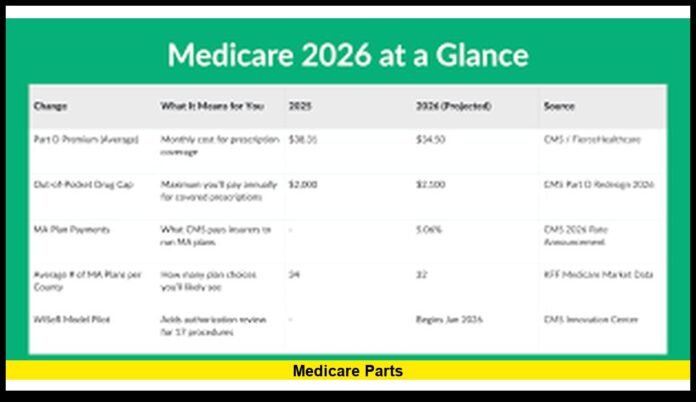
The standard Part D deductible increased to $615 for many plans this year. At the same time, the annual cap on out-of-pocket prescription drug expenses increased slightly to $2,100.
Despite the increase, many retirees still view the spending cap as one of the most important protections introduced in recent years.
Americans taking expensive medications for cancer, autoimmune conditions, diabetes, and other chronic illnesses often face thousands of dollars in annual drug expenses without adequate coverage.
The continued insulin price limit remains especially important for millions of Medicare beneficiaries managing diabetes. Many insulin products continue to carry a monthly cap of $35 under current federal rules.
Healthcare advisers say retirees should review prescription formularies carefully before enrolling in any plan because medication coverage can vary dramatically between insurers.
A drug covered affordably under one plan may carry much higher copays under another.
Experts also recommend checking pharmacy networks since preferred pharmacies often provide lower pricing than standard retail locations.
For seniors managing multiple prescriptions, comparing formularies and pharmacy pricing can result in major annual savings.
Medicare Advantage Keeps Expanding Nationwide
Enrollment in Medicare Advantage plans continues growing rapidly across the United States.
These privately administered alternatives to Original Medicare typically bundle hospital coverage, outpatient coverage, and prescription drug benefits into one plan. Many also advertise additional benefits such as dental services, hearing exams, fitness memberships, transportation assistance, and vision care.
The appeal of lower monthly premiums continues attracting millions of retirees.
However, healthcare specialists caution that Medicare Advantage plans operate differently than Original Medicare.
Most plans rely on provider networks that may limit which doctors, specialists, and hospitals beneficiaries can use. Many plans also require referrals or prior authorization for certain treatments and procedures.
While some retirees appreciate the bundled structure and extra benefits, others prefer the flexibility of Original Medicare combined with supplemental Medigap coverage.
Provider access has become an increasingly important issue in recent years as some retirees report difficulties finding in-network specialists or obtaining authorization for certain treatments.
At the same time, insurers continue competing aggressively for Medicare Advantage enrollment by expanding benefits and offering low-premium options in many markets.
The competition has created more choices for consumers, but it has also made plan comparisons more complicated than ever.
Healthcare counselors say retirees should focus on total annual costs rather than monthly premiums alone when evaluating options.
IRMAA Surcharges Affect More Retirees
Income-related Medicare surcharges remain one of the least understood aspects of retirement healthcare costs.
Known as IRMAA, these additional charges apply to Parts B and D for beneficiaries whose income exceeds federal limits.
The system uses tax returns from two years earlier to determine surcharge eligibility.
As retirement account balances grow and investment income increases, more retirees are crossing into higher IRMAA brackets.
Some Americans are surprised to discover that one-time financial events such as large retirement withdrawals, investment gains, or property sales can temporarily raise Medicare costs years later.
Financial planners increasingly recommend proactive tax planning for pre-retirees approaching Medicare eligibility.
Strategies such as Roth conversions, withdrawal timing adjustments, and charitable giving plans may help reduce future Medicare surcharges in some situations.
Retirees experiencing major life changes such as retirement, divorce, or the death of a spouse may qualify to request IRMAA reconsideration if income declines significantly.
Understanding how income affects Medicare pricing has become a critical part of retirement financial planning.
Coverage Gaps Still Frustrate Many Seniors
Despite ongoing policy updates, Medicare still does not cover several common healthcare expenses that many retirees eventually face.
Routine dental care remains excluded from Original Medicare in most cases. Vision exams, eyeglasses, hearing aids, and long-term custodial nursing home care also remain largely uncovered.
These gaps continue driving demand for Medicare Advantage plans offering supplemental benefits.
However, retirees often discover that dental, hearing, and vision benefits within Medicare Advantage plans may come with annual spending caps, network restrictions, or service limitations.
Long-term care remains one of the largest financial risks facing older Americans.
Medicare generally covers only short-term skilled nursing care tied to qualifying medical conditions rather than ongoing custodial assistance with daily activities.
As a result, many families must rely on personal savings, Medicaid eligibility, or long-term care insurance to manage extended nursing home costs.
Healthcare advocates continue pushing for broader senior healthcare reforms, but large-scale coverage expansions remain uncertain.
Enrollment Decisions Are Becoming More Complex
Annual Medicare enrollment season now requires far more attention than many retirees realize.
Each year, insurers can adjust premiums, provider networks, deductibles, copays, and prescription formularies.
A plan that worked well one year may become significantly more expensive the next.
Open enrollment typically runs from October 15 through December 7 annually, allowing beneficiaries to switch Medicare Advantage plans, change drug coverage, or return to Original Medicare.
Experts strongly encourage beneficiaries to review all annual notices from insurers before enrollment begins.
Those documents often contain important updates about rising costs, changing provider networks, and altered prescription coverage.
Many retirees make the mistake of automatically renewing existing plans without comparing alternatives.
Healthcare counselors say that reviewing available options annually may help beneficiaries reduce expenses and improve access to preferred doctors and medications.
Americans nearing age 65 are also being encouraged to start researching coverage options months before enrollment deadlines arrive.
Missing enrollment windows or misunderstanding coverage rules can lead to permanent penalties and higher lifetime healthcare costs.
Retirement Planning Now Includes Healthcare Strategy
Healthcare expenses are becoming one of the most important elements of retirement preparation.
Financial advisers report that younger workers are paying closer attention to future medical costs than previous generations.
Many Americans in their 50s and early 60s are now incorporating healthcare projections into long-term retirement plans years before becoming eligible for Medicare.
Health Savings Accounts continue gaining popularity because they allow tax-advantaged savings for future medical expenses.
At the same time, retirees are increasingly evaluating supplemental insurance strategies, prescription drug budgeting, and long-term care planning before leaving employer-sponsored health plans.
Medical inflation continues outpacing general inflation in many areas of healthcare, adding additional pressure to retirement budgets.
Experts warn that healthcare costs may continue rising for years as the U.S. population ages and demand for medical services grows.
For retirees living on fixed incomes, careful Medicare planning has become essential rather than optional.
What Seniors Should Watch for Next
Several healthcare policy discussions could influence future Medicare costs and coverage changes beyond 2026.
Federal officials continue reviewing prescription drug pricing reforms aimed at lowering costs for seniors.
Additional oversight involving Medicare Advantage plans also remains under discussion, particularly regarding prior authorization practices and coverage denials.
Healthcare advocates are continuing to push for broader dental, hearing, and vision coverage expansions within Medicare.
At the same time, policymakers are monitoring the long-term financial stability of the Medicare system as enrollment continues rising nationwide.
More than ever, retirees are being encouraged to stay informed about annual updates rather than assuming coverage rules remain unchanged.
Healthcare decisions made during enrollment season can affect costs, provider access, and prescription affordability for an entire year.
Americans approaching retirement age are also increasingly seeking professional guidance to help navigate the growing complexity of Medicare planning.
For millions of seniors, understanding healthcare coverage options has become one of the most important financial decisions of retirement.
How are rising healthcare costs affecting your retirement plans this year? Join the conversation and stay updated on the latest Medicare changes impacting seniors nationwide.