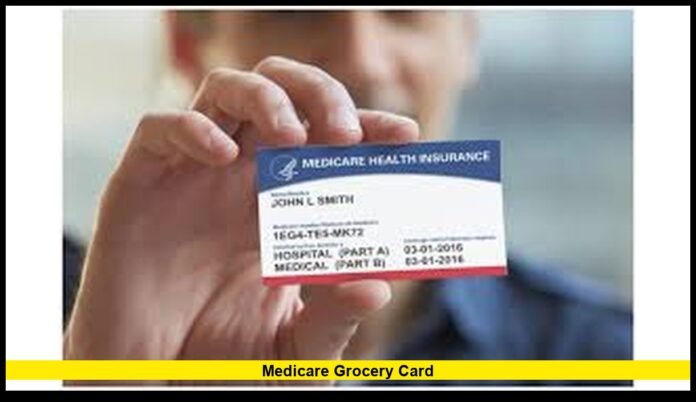

The medicare grocery card has become one of the most searched Medicare-related benefits in the United States as seniors continue looking for ways to lower everyday food expenses. Rising grocery prices, higher healthcare costs, and growing interest in Medicare Advantage plans have pushed grocery allowance programs into the national spotlight this year.
Many older Americans are now reviewing their insurance plans more closely after seeing advertisements about healthy food cards, flex spending benefits, and monthly grocery allowances. While these programs can provide meaningful financial support, many consumers still misunderstand how they work and who actually qualifies.
Medicare beneficiaries should know that grocery-related benefits are not part of standard Original Medicare coverage. Instead, these programs are typically offered through select Medicare Advantage plans operated by private insurance companies. Coverage rules, spending limits, and approved purchases vary widely depending on the insurer and the member’s location.
As healthcare companies continue competing for enrollment, grocery assistance programs have become a major selling point for Medicare Advantage plans across the country.
Why Grocery Benefits Are Receiving So Much Attention
Food costs remain a serious concern for millions of retirees living on fixed incomes. Inflation over the past few years has affected nearly every category inside grocery stores, including fresh produce, dairy, meats, frozen meals, and pantry essentials.
For seniors managing chronic medical conditions, maintaining a healthy diet can also become expensive. Insurance providers increasingly recognize that better nutrition may help improve overall health while reducing long-term healthcare expenses.
That shift has encouraged many Medicare Advantage insurers to invest in wellness-focused benefits such as:
- Healthy food allowances
- Nutritional support programs
- Over-the-counter health product credits
- Meal delivery assistance
- Wellness reward cards
- Flexible spending cards
The growing popularity of these programs has led to heavy television advertising, online promotions, and social media campaigns targeting Medicare-age Americans.
What Is a Medicare Grocery Card?
A Medicare grocery card is generally a prepaid debit-style benefit card connected to a qualifying Medicare Advantage plan. Eligible members may receive a monthly or quarterly balance to spend on approved grocery products.
These cards do not work like unrestricted cash cards. Insurance providers usually limit spending to approved healthy foods and wellness-related items.
Depending on the plan, the card may be called:
| Card Name | Typical Use |
|---|---|
| Healthy Foods Card | Approved groceries |
| Flex Card | Groceries and wellness items |
| OTC Benefit Card | Over-the-counter products |
| Wellness Benefit Card | Health-focused purchases |
| Supplemental Benefit Card | Multiple approved categories |
Most participating plans use electronic payment systems that automatically determine eligible purchases during checkout.
Common Foods Covered by Grocery Benefit Cards
Approved grocery items often focus on healthier nutrition choices that support long-term wellness.
Many plans allow purchases such as:
- Fresh fruits
- Vegetables
- Whole grain bread
- Rice and pasta
- Eggs
- Milk and dairy products
- Yogurt
- Lean meats
- Fish
- Frozen vegetables
- Low-sodium meals
- Nutritional shakes
Certain plans also cover bottled water, beans, soups, and diabetic-friendly food items.
However, restrictions usually apply to non-essential products.
What Grocery Cards Usually Do Not Cover
Most plans prohibit purchases considered unhealthy or unrelated to nutrition.
Common excluded products include:
- Alcohol
- Tobacco
- Candy
- Soda in some plans
- Pet food
- Household electronics
- Lottery tickets
- Cosmetics
- Hot prepared restaurant meals
Retail checkout systems often block ineligible items automatically.
Original Medicare vs Medicare Advantage
Confusion surrounding grocery benefits often begins with misunderstanding the difference between Original Medicare and Medicare Advantage.
Here is how they differ:
| Original Medicare | Medicare Advantage |
|---|---|
| Managed by the federal government | Offered by private insurers |
| Covers hospital and medical care | Includes additional benefits |
| No grocery allowance | Some plans include food benefits |
| Standardized coverage | Benefits vary by plan |
| No wellness flex card | Supplemental cards possible |
This distinction matters because many advertisements make it appear as though all Medicare recipients automatically receive grocery assistance.
That is not the case.
Who Qualifies for Grocery Benefits?
Eligibility depends on the specific insurance plan and the member’s personal situation.
Several common factors influence qualification.
Medicare Advantage Enrollment
The first requirement is enrollment in an eligible Medicare Advantage plan offering grocery support benefits.
Not all plans include food allowances.
Geographic Location
Benefits vary by ZIP code, county, and state. Some areas have far more plan choices than others.
Urban markets often provide more supplemental benefits because insurers compete more aggressively for enrollments.
Chronic Health Conditions
Certain grocery benefits target individuals with ongoing health concerns such as:
- Diabetes
- Heart disease
- High blood pressure
- Chronic kidney disease
- Congestive heart failure
These plans may focus heavily on preventive nutrition support.
Dual Eligibility
People enrolled in both Medicare and Medicaid frequently receive access to additional supplemental benefits through specialized plans.
Income and Assistance Status
Some plans prioritize lower-income individuals or those receiving financial assistance programs.
Monthly Grocery Allowance Amounts
Benefit values differ significantly between plans.
Some members receive small monthly balances, while others qualify for larger flexible spending allowances.
Typical amounts include:
| Plan Type | Estimated Monthly Value |
|---|---|
| Basic Grocery Benefit | $25–$50 |
| Mid-Level Wellness Plan | $60–$100 |
| Flex Benefit Plans | $100–$200 |
| Dual Eligible Plans | Higher allowances possible |
Certain plans reload balances monthly, while others use quarterly deposits.
Unused balances often expire if members fail to spend the funds before the deadline.
Flex Cards Continue Expanding
One of the fastest-growing trends in Medicare Advantage marketing involves flex cards.
Unlike standard grocery cards, flex cards may allow spending across several approved categories.
These categories can include:
- Groceries
- Utility bills
- Dental expenses
- Vision products
- Hearing aids
- Over-the-counter medications
- Medical supplies
- Fitness-related expenses
Flexibility varies by insurer.
Some cards permit only grocery spending, while others combine several health and wellness benefits into one account.
Insurance Companies Offering Food Benefits
Several major insurers currently promote plans with grocery-related supplemental benefits in select regions.
Large providers in this market include:
- UnitedHealthcare
- Humana
- Aetna
- Cigna Healthcare
- Kaiser Permanente
Available benefits depend entirely on local plan offerings and enrollment eligibility.
Consumers should compare plans carefully before making healthcare decisions based solely on grocery allowances.
Retail Stores Accepting Grocery Benefit Cards
Participating retailers vary by insurance network.
Many approved stores include:
- National supermarket chains
- Local grocery stores
- Regional food markets
- Pharmacy chains
- Discount retailers with grocery departments
Some plans also support online grocery ordering through approved delivery platforms.
Members usually receive a list of participating stores after enrollment.
Read More – Medicare Grocery Card in 2026
Grocery Benefits and Chronic Disease Management
Healthcare companies increasingly view food support as part of preventive medicine.
Poor nutrition can worsen chronic illnesses and increase hospital visits. Insurance providers believe healthier diets may help reduce expensive medical complications.
For example:
| Health Condition | Nutrition Goal |
|---|---|
| Diabetes | Blood sugar management |
| Heart disease | Reduced sodium intake |
| High blood pressure | Healthier eating habits |
| Kidney disease | Controlled nutrient intake |
This healthcare approach continues influencing supplemental benefit expansion across the Medicare Advantage market.
Online Ads Have Created Confusion
Heavy marketing campaigns have caused confusion among many seniors.
Advertisements often promote:
- “Free grocery money”
- “Guaranteed food cards”
- “Large monthly allowances”
However, many ads oversimplify eligibility requirements.
Some consumers mistakenly assume every Medicare enrollee automatically qualifies for these benefits.
Government agencies and consumer advocates have repeatedly encouraged seniors to review official plan documents carefully before enrolling.
Warning Signs Consumers Should Watch For
Scam activity related to Medicare benefits remains a concern.
Consumers should be cautious when encountering:
- Unsolicited phone calls
- High-pressure enrollment tactics
- Requests for Social Security numbers
- Promises of guaranteed approval
- Claims that benefits are “free government cash”
Legitimate insurance representatives typically explain plan limitations clearly and provide official documentation.
Enrollment Periods Matter
Timing plays a major role in accessing grocery benefits.
Medicare Advantage enrollment periods generally determine when consumers can join or switch plans.
Key enrollment windows include:
| Enrollment Period | Typical Purpose |
|---|---|
| Annual Enrollment Period | Join or switch plans |
| Medicare Advantage Open Enrollment | Make plan changes |
| Special Enrollment Period | Qualifying life changes |
Missing these windows may delay access to supplemental benefits until the next eligible period.
Why Seniors Compare Grocery Benefits Carefully
While grocery assistance can help reduce monthly expenses, healthcare experts encourage beneficiaries to compare complete plan details before enrolling.
Important considerations include:
- Prescription drug coverage
- Specialist access
- Doctor networks
- Hospital availability
- Deductibles
- Copays
- Out-of-pocket limits
A plan offering a larger grocery allowance may also have higher medical costs elsewhere.
Careful comparison remains essential.
Dual Eligible Special Needs Plans Continue Growing
Dual Eligible Special Needs Plans, commonly called D-SNPs, have expanded rapidly in recent years.
These plans serve individuals eligible for both Medicare and Medicaid.
D-SNP plans often provide stronger supplemental benefits than standard Medicare Advantage plans.
Possible benefits include:
- Larger grocery allowances
- Utility assistance
- Transportation support
- Dental coverage
- Vision care
- Hearing benefits
- Wellness support
Eligibility rules remain strict and vary by state.
Grocery Assistance Reflects Larger Healthcare Changes
The rise of grocery benefits reflects broader changes happening across the American healthcare system.
Insurance companies increasingly focus on social factors affecting health outcomes.
These factors include:
- Access to healthy food
- Transportation reliability
- Housing stability
- Medication affordability
Healthcare providers now recognize that food insecurity can contribute to worsening medical conditions.
As a result, insurers continue investing in nutrition-focused benefits.
Rural Areas Face Different Challenges
Not every Medicare beneficiary has equal access to grocery benefit programs.
Rural regions sometimes face:
- Fewer Medicare Advantage plans
- Limited participating retailers
- Smaller provider networks
- Reduced supplemental benefits
Urban areas often provide more competitive insurance markets with broader options.
This geographic difference remains one of the biggest issues affecting benefit availability nationwide.
How Grocery Benefits Help Fixed-Income Retirees
Retired households often operate on limited monthly budgets.
Even modest grocery assistance can help offset essential expenses such as:
- Fresh produce
- Dairy products
- Protein sources
- Healthy frozen meals
For seniors balancing medical bills, prescription costs, and housing expenses, food support programs may provide meaningful financial relief.
Many beneficiaries report using grocery benefits to maintain healthier diets they otherwise could not consistently afford.
Future Trends in Grocery Benefits
Industry analysts expect food-related healthcare benefits to continue growing over the next several years.
Possible future developments include:
- Digital grocery benefit tracking apps
- Expanded online grocery delivery
- Personalized nutrition recommendations
- Larger wellness incentive programs
- Broader meal support services
Insurance providers continue searching for ways to improve member health while controlling healthcare costs.
Nutrition remains a major focus area.
Important Questions to Ask Before Enrolling
Consumers considering plans with grocery benefits should ask several key questions before signing up.
Important questions include:
- Which stores accept the card?
- What products qualify?
- Do unused balances expire?
- Is the benefit monthly or quarterly?
- Are there spending restrictions?
- Does the plan include prescription coverage?
- Which doctors participate?
Reviewing these details can prevent frustration later.
Understanding the Real Value of Grocery Benefits
The medicare grocery card has become a major topic among seniors searching for financial relief and stronger healthcare support. While these benefits can help eligible members manage food expenses, the actual value depends on the insurance plan, local availability, and individual healthcare needs. Grocery assistance programs continue expanding as Medicare Advantage insurers compete for enrollment and focus more heavily on preventive wellness programs.
Consumers should compare plans carefully, verify eligibility requirements, and understand all healthcare costs before enrolling. Grocery benefits may offer meaningful savings, but the best Medicare plan remains the one that balances food support, medical coverage, prescription access, and long-term healthcare needs. Seniors exploring Medicare options this year should stay informed about changing benefits and review every plan detail closely before making decisions.