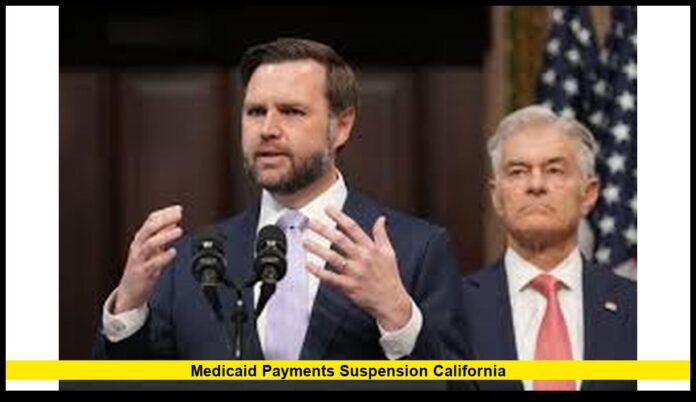

Medicaid payments suspension California developments continue to dominate healthcare and political discussions after federal officials deferred roughly $1.3 billion in Medicaid reimbursements tied to fraud investigations involving hospice and home healthcare providers. The action has intensified pressure on California’s Medi-Cal system while drawing nationwide attention to oversight failures, provider accountability, and the future of public healthcare funding in the United States.
Federal authorities confirmed the temporary payment hold during a broader crackdown targeting suspected abuse within Medicare and Medicaid programs. The investigation focuses heavily on California, particularly Southern California, where regulators identified unusually large concentrations of hospice agencies and home healthcare operations linked to suspicious billing activity.
The situation has quickly become one of the most closely watched healthcare stories of 2026 because California operates the nation’s largest Medicaid system. Millions of residents depend on Medi-Cal for hospital visits, long-term care, prescriptions, rehabilitation services, and preventive treatment.
Although Medi-Cal coverage remains active for eligible patients, the federal funding delay has created growing concerns about healthcare finances, provider operations, and future state budget pressures.
Federal Officials Announce Major Funding Deferral
The federal government said the payment suspension became necessary after investigators uncovered patterns suggesting potential fraud across multiple healthcare providers participating in Medicaid and Medicare reimbursement programs.
Officials stated that California failed to move aggressively enough to stop questionable billing practices tied to hospice and home healthcare companies.
The deferred funds involve federal reimbursements connected to Medicaid spending already claimed by California.
Authorities stressed that the money was not permanently canceled. Instead, the payments remain under federal review while investigators examine records tied to provider compliance and reimbursement eligibility.
The federal administration also announced additional nationwide restrictions aimed at preventing fraudulent healthcare businesses from rapidly entering federal programs.
Those actions include:
- A temporary freeze on new Medicare hospice enrollments
- Enhanced provider screening
- Expanded ownership verification requirements
- Broader billing audits
- Increased site inspections
Federal regulators believe these steps will help identify operators abusing taxpayer-funded healthcare systems.
Why California Became the Center of the Investigation
California’s hospice industry has faced years of scrutiny because of unusually rapid growth across several counties.
Los Angeles County became a primary focus after regulators identified massive increases in hospice licenses over recent years. In some areas, investigators found multiple agencies operating within the same buildings or residential properties.
Healthcare enforcement teams also flagged suspicious billing trends involving:
- Identical patient certifications
- Unusually high reimbursement claims
- Rapid patient transfers
- Duplicate service records
- Excessive provider density in small geographic areas
Federal agencies believe some operators may have enrolled patients who did not qualify for hospice care.
Hospice programs are intended for terminally ill patients who are no longer pursuing curative treatment. Improper enrollment can generate substantial Medicare and Medicaid reimbursements, making the sector vulnerable to fraud schemes.
Officials said California regulators previously suspended several providers, but federal investigators concluded broader intervention became necessary.
Understanding Medi-Cal’s Role in California
California’s Medicaid system, known as Medi-Cal, provides healthcare coverage for more than 14 million residents.
The program supports:
- Low-income adults
- Families with children
- Seniors
- Disabled residents
- Pregnant women
- Long-term care patients
The federal government funds a large percentage of Medi-Cal spending, while California contributes the remaining share through state revenue and healthcare-related financing mechanisms.
Because Medi-Cal is so large, even temporary disruptions involving federal reimbursements can affect healthcare budgeting and provider stability.
The Medicaid payments suspension California situation has therefore created concern across hospitals, clinics, nursing facilities, and healthcare organizations statewide.
Coverage for Patients Continues
Despite alarming headlines, Medi-Cal benefits have not stopped.
Eligible Californians continue receiving healthcare services under existing Medicaid coverage rules.
Hospitals, clinics, physicians, and approved providers remain operational while federal investigations continue.
However, healthcare experts warn prolonged reimbursement delays could eventually strain provider finances, particularly for smaller organizations that depend heavily on federal payment schedules.
Potential risks tied to extended funding disputes include:
| Potential Impact | Possible Result |
|---|---|
| Delayed reimbursements | Financial pressure on providers |
| Budget uncertainty | Reduced healthcare expansion |
| Provider instability | Smaller networks in some areas |
| Administrative costs | Increased compliance expenses |
| Tighter regulations | Slower enrollment approvals |
So far, state officials have not announced widespread service reductions connected to the deferred payments.
Hospice Fraud Concerns Grow Nationwide
The California investigation reflects broader national concerns involving hospice oversight and healthcare fraud.
Federal agencies increasingly believe some bad actors exploited weaknesses in the hospice enrollment system to generate improper reimbursements.
Investigators are examining whether providers:
- Enrolled patients who were not terminally ill
- Billed for services never delivered
- Used fraudulent physician certifications
- Operated shell healthcare companies
- Moved patients between affiliated agencies
The federal government estimates healthcare fraud costs taxpayers billions annually across Medicaid and Medicare systems.
Because of that financial impact, regulators are now using more aggressive enforcement strategies.
California’s case may become a national example for future Medicaid oversight efforts.
Temporary Freeze on New Hospice Enrollments
One of the most important developments involves the nationwide freeze on new Medicare hospice enrollment applications.
Federal regulators introduced the six-month pause to slow rapid expansion among healthcare operators while investigations continue.
Officials said the freeze will allow agencies to:
- Audit existing providers
- Review ownership structures
- Verify physician relationships
- Analyze billing patterns
- Identify suspicious operations
The administration believes tighter controls are necessary because some fraudulent businesses repeatedly opened under different names after earlier enforcement actions.
The enrollment freeze affects new applicants, not existing approved providers already operating legally.
Healthcare industry groups acknowledged that fraudulent activity damages public trust in legitimate hospice care providers.
Role of Federal Healthcare Leadership
CMS Administrator Dr. Mehmet Oz has emerged as a central figure in the administration’s healthcare fraud enforcement campaign.
Federal officials recently described new anti-fraud operations involving advanced billing analysis systems designed to detect abnormal reimbursement patterns more quickly.
Investigators reportedly identified several warning signs in California, including:
- Excessive hospice growth in limited ZIP codes
- Shared physician certifications
- High patient turnover rates
- Large billing spikes within short periods
- Repeated reimbursement anomalies
The administration argues that stronger enforcement protects both taxpayers and vulnerable patients.
Officials also stated that payment suspensions may become more common during large fraud investigations moving forward.
Political Reactions Intensify
The funding dispute immediately triggered political backlash and debate across the country.
Supporters of the federal action argue Medicaid and Medicare fraud drains enormous amounts of taxpayer money from critical healthcare programs. They believe tougher enforcement is long overdue.
Critics argue the administration risks destabilizing healthcare access by withholding major reimbursements before investigations conclude fully.
California officials pushed back against suggestions that the state ignored fraud concerns. State agencies had previously increased audits and suspended licenses involving hospice providers.
Still, federal authorities insisted California’s actions failed to address the scale of the problem quickly enough.
The disagreement may eventually produce legal and financial disputes between state and federal agencies if the payment deferral continues.
How Healthcare Providers Are Responding
Healthcare providers throughout California are monitoring the situation closely.
Many hospitals and clinics worry increased federal scrutiny could lead to slower reimbursement processing even for compliant organizations.
Healthcare attorneys say providers should prepare for:
- More detailed billing reviews
- Additional documentation requests
- Ownership transparency checks
- Expanded compliance audits
- More aggressive site inspections
Large healthcare systems may adapt more easily because they possess larger compliance departments and financial reserves.
Smaller hospice agencies and home healthcare providers could face greater operational pressure during prolonged investigations.
Some healthcare organizations already started reviewing internal billing procedures to avoid potential enforcement issues.
Impact on California’s Budget
California lawmakers are also watching the situation carefully because Medi-Cal already faces major financial pressures.
The state continues dealing with:
- Rising healthcare costs
- Increased enrollment demand
- Workforce shortages
- Expanding long-term care needs
- Budget balancing challenges
The deferred federal payments add another layer of uncertainty to California’s healthcare finances.
If the dispute continues for an extended period, state officials may need to explore temporary funding adjustments to maintain reimbursement stability across healthcare systems.
Budget analysts say the size of Medi-Cal makes even short-term federal funding delays financially significant.
Read More – How to Get Off of Medicaid in 2026
Federal Agencies Expand Healthcare Fraud Strategy
The California case signals a broader federal shift toward more aggressive healthcare fraud enforcement during 2026.
Investigators are now focusing on multiple sectors, including:
- Hospice providers
- Home healthcare agencies
- Medical equipment suppliers
- Physician certification networks
- Medicaid billing contractors
Authorities believe sophisticated fraud schemes increasingly rely on complex ownership structures and rapid business expansion tactics.
To combat those methods, federal agencies have expanded cooperation between healthcare regulators, investigators, and law enforcement divisions.
Officials also indicated that advanced data systems now help identify suspicious billing patterns much faster than previous enforcement tools allowed.
Why Hospice Oversight Became a National Issue
Hospice care plays an important role in the U.S. healthcare system by helping terminally ill patients receive comfort-focused treatment and support.
Most hospice providers operate legally and provide critical care services for families during difficult situations.
However, investigators say a growing number of fraudulent operators entered the sector over recent years because reimbursement structures created opportunities for abuse.
The California investigation brought national attention to longstanding concerns about:
- Licensing standards
- Patient eligibility reviews
- Physician oversight
- Ownership transparency
- Billing verification
Healthcare advocates argue stronger regulation is necessary to protect both patients and taxpayer-funded healthcare systems.
Could Other States Face Similar Investigations?
Federal officials already warned states nationwide that Medicaid oversight standards will face closer review.
Investigators may now examine whether similar billing patterns exist elsewhere.
States with rapidly growing hospice sectors could receive additional scrutiny involving:
- Provider enrollment practices
- Claims monitoring systems
- Fraud detection programs
- Compliance enforcement efforts
The administration’s message is clear: states must strengthen oversight or risk funding consequences.
Because California operates the largest Medicaid system in the country, actions taken there often influence broader national healthcare policy discussions.
The Financial Stakes Are Enormous
Medicaid and Medicare collectively represent hundreds of billions of dollars in annual federal healthcare spending.
Federal agencies argue even small percentages of fraudulent billing can translate into massive taxpayer losses.
The current California investigation involves approximately $1.3 billion in deferred Medicaid reimbursements, making it one of the largest recent healthcare funding disputes in the country.
The size of the deferral explains why healthcare organizations, lawmakers, insurers, and providers nationwide continue monitoring the situation closely.
The outcome could shape future federal enforcement tactics for years.
Healthcare Industry Calls for Balance
While many industry leaders support stronger fraud prevention, healthcare groups also warn against overly broad enforcement approaches.
Providers say aggressive payment suspensions can create financial uncertainty even for organizations following all regulations properly.
Industry representatives continue urging regulators to balance:
- Fraud prevention
- Patient access
- Provider stability
- Timely reimbursements
- Fair investigative processes
Many healthcare systems fear widespread administrative delays could affect patient services indirectly if reimbursement disruptions continue too long.
The debate highlights the challenge of protecting taxpayer funds without weakening healthcare access for vulnerable Americans.
Public Attention on Medicaid Oversight Keeps Growing
The Medicaid payments suspension California controversy has reignited national conversations about government healthcare spending and accountability.
Americans increasingly want transparency involving:
- Medicaid finances
- Fraud investigations
- Provider oversight
- Healthcare quality standards
- Federal reimbursement systems
The issue also reflects broader concerns about how public healthcare programs should balance rapid access to care with strict financial safeguards.
Federal regulators appear determined to show taxpayers that large-scale healthcare fraud investigations will receive stronger enforcement moving forward.
At the same time, California officials continue defending the state’s healthcare infrastructure and oversight efforts.
What Comes Next in the Investigation
Federal investigators are expected to continue reviewing provider records, ownership documents, and reimbursement claims over the coming months.
Additional enforcement actions may include:
- Provider suspensions
- Expanded audits
- Civil penalties
- Criminal investigations
- Recovery efforts involving improper payments
Healthcare organizations throughout California will likely face increased compliance pressure while regulators continue examining billing systems and patient eligibility records.
The federal government may also extend or adjust temporary enrollment restrictions depending on investigative findings.
The coming months could determine whether California restores the deferred Medicaid funding quickly or faces a prolonged financial dispute with federal agencies.
For now, the investigation remains one of the most important healthcare enforcement stories in the United States.
The Medicaid payments suspension California case continues reshaping national conversations about fraud enforcement, healthcare oversight, and the future of taxpayer-funded medical programs across America. Readers following the situation can expect more major developments as investigators continue reviewing California’s healthcare system.