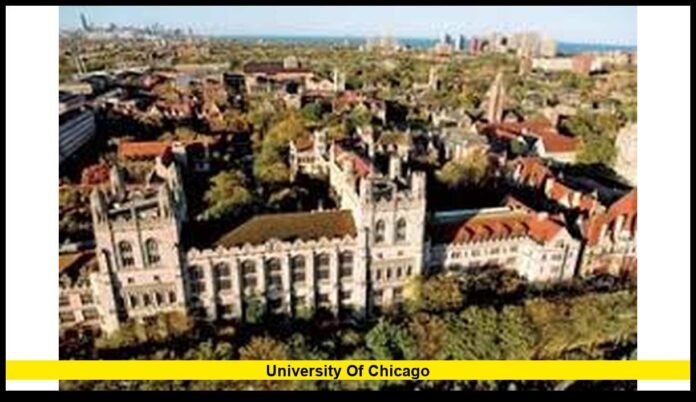

University of Chicago remains one of the most talked-about institutions in American higher education in 2026 as the university pushes forward with major academic, enrollment, and campus initiatives. The prestigious private university in Hyde Park continues attracting national attention for its highly selective admissions process, influential research programs, and ambitious long-term plans for student growth.
Recent developments at the university include confirmed undergraduate enrollment expansion goals, adjustments within selected graduate divisions, continued investments in artificial intelligence research, and growing national visibility across athletics and student life. These updates arrive during a period when elite universities across the United States are facing increased competition for students, rising operational costs, and changing expectations from families and employers.
The university continues to stand out because of its combination of rigorous academics, strong intellectual culture, and nationally recognized faculty. Students from across the country still view the institution as one of the top destinations for economics, law, business, political science, medicine, and social sciences.
University of Chicago Plans for Undergraduate Growth
One of the largest developments surrounding the university this year involves its long-term undergraduate enrollment strategy.
University leaders have confirmed plans to gradually increase undergraduate enrollment to around 9,000 students over time. That represents a major shift for an institution historically known for maintaining a relatively small student population compared to some peer universities.
Administrators believe the enrollment increase can strengthen campus life, improve financial sustainability, and create more opportunities for students and faculty. The move also reflects growing national demand from applicants seeking admission to highly ranked private universities with strong career outcomes.
The institution has already started examining housing capacity, classroom space, student support infrastructure, and campus services to prepare for future growth.
Even with expansion plans, admissions standards remain extremely selective. Applicants still face one of the most competitive admissions processes in the country.
Students applying to the university typically present:
- Outstanding academic records
- Advanced coursework
- High standardized test performance
- Strong extracurricular achievements
- Exceptional writing ability
- Demonstrated intellectual curiosity
The university’s admissions essays continue receiving national attention because of their unusual and creative prompts. Many students see those essays as one of the defining parts of the application experience.
Admissions Interest Continues to Surge
Application numbers remain high as students across the United States pursue admission to elite institutions with strong reputations and generous financial aid opportunities.
The university continues attracting applicants interested in rigorous academics and close interaction with faculty members. Students often describe the campus as intellectually intense but highly rewarding.
Several academic programs continue drawing especially strong interest from prospective students:
| Academic Area | Reputation |
|---|---|
| Economics | World-renowned |
| Political Science | Nationally respected |
| Law | Elite professional training |
| Business | Global reputation |
| Mathematics | Highly selective |
| Sociology | Historically influential |
| Public Policy | Strong government placement |
The university’s reputation in economics remains particularly powerful. Many Nobel Prize winners and influential economists have studied or taught there over the decades.
That history continues attracting students interested in finance, consulting, academia, public policy, and quantitative research careers.
Graduate Programs Undergo Strategic Adjustments
While undergraduate expansion plans move forward, the university has also implemented targeted changes involving some graduate programs.
Selected humanities and policy-related programs have reduced admissions intake or temporarily paused admissions for the 2026–27 academic cycle. Officials have described these decisions as part of broader academic and financial planning efforts.
The changes do not affect all graduate divisions. Many research and professional programs continue operating at full capacity.
Existing graduate students remain unaffected by the admissions adjustments. Faculty research activity also continues across departments.
Universities nationwide have faced pressure to balance graduate funding commitments with rising operational expenses. The university’s recent decisions reflect broader trends happening across higher education institutions in the United States.
Despite those adjustments, the university still maintains one of the largest and most influential graduate research environments in the nation.
Research Programs Continue National Leadership
Research remains central to the university’s identity.
Faculty and researchers continue leading projects involving medicine, economics, public policy, artificial intelligence, climate science, and advanced computing.
The university’s research ecosystem includes partnerships with hospitals, laboratories, institutes, and global academic networks. Those collaborations help attract major funding opportunities and top faculty talent.
Research strengths include:
- Artificial intelligence
- Biomedical innovation
- Data science
- Quantum research
- Economic modeling
- Urban policy
- Climate studies
The institution also continues maintaining close ties with national laboratories and medical research centers connected to the Chicago area.
Faculty members regularly contribute to national discussions involving healthcare, technology regulation, economic policy, constitutional law, and international affairs.
Students benefit from extensive undergraduate research opportunities as well. Many undergraduates participate in faculty-led projects before graduation.
That level of access remains one reason the university continues attracting academically ambitious students.
Artificial Intelligence Programs Gain Momentum
Artificial intelligence has become one of the university’s fastest-growing academic and research areas.
Multiple departments now integrate AI-focused learning into coursework and research projects. Students studying economics, medicine, computer science, mathematics, and public policy increasingly engage with machine learning and advanced data analytics.
The university continues expanding computational research initiatives tied to healthcare technology, predictive modeling, and ethical AI development.
Technology-focused employers remain highly interested in graduates with strong quantitative and analytical backgrounds. That trend has increased demand for interdisciplinary programs involving AI and data science.
Campus leaders have also emphasized the importance of responsible AI development as universities nationwide compete to strengthen their technology programs.
Financial Aid Efforts Remain Important
Financial aid remains a major factor for families considering elite private universities.
The university continues emphasizing affordability initiatives aimed at supporting students from varying income backgrounds.
Need-based grants and scholarship programs remain central to the institution’s admissions strategy. Many admitted students receive substantial aid packages designed to reduce long-term student debt burdens.
Competition among top universities has intensified in recent years as schools work to attract talented students from across the socioeconomic spectrum.
Families increasingly compare financial aid offers before finalizing enrollment decisions. Universities with strong aid programs often gain an advantage during that process.
The university continues positioning itself as an institution focused on expanding access while maintaining academic excellence.
Student Life Continues to Evolve
Student life at the university has evolved significantly during the past decade.
While the institution still maintains a strong academic culture, campus life now includes broader social programming, wellness initiatives, arts activities, and recreational opportunities.
Students participate in hundreds of organizations involving:
- Entrepreneurship
- Debate
- Music and theater
- Cultural organizations
- Community service
- Political engagement
- Journalism
- Technology innovation
The university’s residential house system remains one of the defining features of campus culture. Students often form close friendships and academic support networks through house communities.
Campus dining, recreation facilities, and student wellness resources have also expanded in recent years.
University officials continue investing in mental health services and career advising programs as student expectations evolve nationwide.
Hyde Park Campus Maintains Strong Appeal
The Hyde Park campus continues attracting students who want both a traditional college atmosphere and access to a major city.
Historic Gothic buildings remain one of the university’s most recognizable features. Modern research facilities and technology centers now stand alongside many of the campus’s iconic structures.
Students benefit from nearby access to:
- Downtown Chicago internships
- Museums
- Research hospitals
- Financial institutions
- Technology companies
- Public policy organizations
The location provides major career advantages for students pursuing internships during the academic year.
Many students secure opportunities in finance, healthcare, consulting, government, and nonprofit sectors before graduation.
Chicago’s economic diversity continues strengthening the university’s professional connections across industries.
Read More – University of Rhode Island Acceptance Rate in 2026
Athletics Programs Continue Building Recognition
Although the university is primarily known for academics, athletics programs continue earning national recognition.
Division III teams have performed strongly across several sports during the 2025–26 academic year, including:
- Tennis
- Basketball
- Soccer
- Swimming
- Track and field
The university recently celebrated a new Athletic Hall of Fame class recognizing former student-athletes and athletic leaders who made lasting contributions to campus sports history.
Athletics facilities remain an important part of student life. The Ratner Athletics Center continues serving both varsity athletes and the broader student population.
Intramural sports and fitness programs also remain popular among students seeking balance between academics and recreation.
Career Outcomes Stay Strong
Graduates from the university continue earning strong employment and graduate school placement outcomes.
Recruiters from major companies regularly hire students for roles in:
- Investment banking
- Consulting
- Technology
- Law
- Healthcare
- Public policy
- Academic research
The university’s reputation for rigorous analytical training remains highly respected among employers.
Graduates frequently pursue careers at leading firms and institutions across the United States and internationally.
Professional schools connected to the university also maintain strong placement results. The Booth School of Business and Law School continue ranking among the nation’s elite graduate programs.
Networking opportunities through alumni connections remain another advantage for students entering competitive industries.
Campus Construction and Infrastructure Planning Continue
As enrollment plans move forward, the university continues evaluating long-term infrastructure needs.
Housing capacity, classroom space, dining facilities, and student services all require careful planning as the undergraduate population gradually increases.
Campus modernization efforts have already introduced new learning spaces, updated laboratories, and improved student facilities.
Technology integration remains a priority as universities nationwide continue adapting to digital learning expectations.
University leaders have stressed the importance of maintaining academic quality and student experience during future growth.
National Reputation Remains Powerful
The university consistently ranks among the top institutions in the United States across multiple academic categories.
Its reputation extends far beyond Chicago because of decades of influential scholarship and research achievements.
The institution remains particularly respected for:
- Intellectual rigor
- Research excellence
- Faculty quality
- Graduate outcomes
- Academic independence
- Analytical training
Students often describe the university as challenging but deeply rewarding academically.
That reputation continues attracting highly motivated applicants from across the country and internationally.
Student Interest on Social Media Keeps Growing
The university has also gained stronger visibility across social media platforms in recent years.
Prospective students frequently search for content involving:
- Campus tours
- Dorm life
- Admissions advice
- Student routines
- Academic experiences
- Dining halls
- Study culture
Videos featuring move-in day, class schedules, and student traditions continue generating large audiences online.
The university’s distinct academic culture often becomes a major discussion topic among students comparing top colleges.
Social media exposure has also increased awareness among younger applicants nationwide.
Faculty Influence Extends Beyond Campus
Faculty members connected to the university continue playing major roles in national and international policy discussions.
Professors regularly contribute expertise involving economics, constitutional law, healthcare, political science, and technology ethics.
Public lectures, conferences, and research collaborations remain active throughout the academic year.
The university’s tradition of open academic debate continues shaping its identity within higher education.
That culture of inquiry remains one of the institution’s defining characteristics.
The Future of the University
The university enters the second half of 2026 in a strong position nationally despite ongoing challenges facing higher education institutions across the country.
Enrollment growth plans, AI research expansion, continued admissions demand, and strong academic rankings all point toward continued momentum.
At the same time, university leaders must balance financial realities, infrastructure planning, affordability concerns, and changing student expectations.
The institution’s ability to manage growth while maintaining academic excellence will likely shape its next decade.
For students, families, and educators watching developments in American higher education, the university remains one of the most influential institutions to follow in 2026.
What do you think about the latest developments at the University of Chicago? Share your thoughts and stay connected for more education news and campus updates.