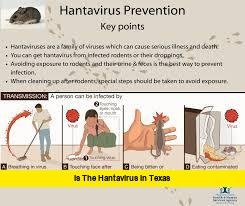

Hantavirus is a serious, potentially fatal disease — and if you live in Texas, it is natural to wonder: is the hantavirus in Texas? The short answer is yes. Texas is one of the confirmed states where hantavirus activity exists in rodent populations, and awareness is your best defense. Here is everything you need to know, from the latest research to practical prevention steps.
What Is Hantavirus?
Hantavirus Pulmonary Syndrome (HPS) is a severe, potentially deadly infectious disease that spreads to humans through contact with infected rodents such as rats and mice. Hantaviruses belong to a family of viruses capable of causing multiple disease syndromes in people around the world.
In the Americas, these are classified as “New World” hantaviruses and are the strain directly linked to HPS — a dangerous respiratory illness with a significant mortality rate. The most common carrier of hantavirus in North America is the deer mouse, though recent research has identified several additional rodent species as potential hosts.
Is Hantavirus Present in Texas?
Yes — and recent scientific research makes this very clear. Virginia Tech researchers published a landmark study in early 2025 identifying three major hotspots of hantavirus circulation in wildlife across the United States: Virginia, Colorado, and Texas. The study also identified 15 rodent species as confirmed carriers, including six species not previously known to host the virus.
Texas ranked among the top three states for hantavirus seroprevalence in rodents, with a confirmed rate of 4.8% in tested samples. Within the state, cases have historically been concentrated along the Texas Gulf Coast and in the West Texas region, both areas with significant deer mouse and cotton rat populations.
Latest Research and Updates
A peer-reviewed study published in the journal Ecosphere in early 2025 confirmed that hantavirus is now considered an emerging disease with pandemic potential. Researchers noted that its symptoms closely resemble severe respiratory illnesses, making early diagnosis particularly challenging.
The discovery of six new rodent host species is especially significant for Texas residents. Some of these newly identified hosts live in regions where the traditional primary carrier — the deer mouse — is absent or rare, meaning the virus may be circulating in areas previously considered lower risk.
Climate change is also playing a measurable role. Researchers found that warmer winters and increased rainfall drive up rodent populations, while drier conditions help contaminated dust particles become airborne more easily — both trends that increase the potential for human exposure across Texas.
Globally, hantavirus has attracted renewed attention after a high-profile outbreak in early May of this year aboard an expedition cruise ship, which resulted in multiple fatalities and prompted the World Health Organization to raise concerns about potential human-to-human transmission — a rare occurrence that underscores why monitoring this virus closely matters.

As of the most recently available CDC data through the end of 2023, a total of 890 laboratory-confirmed hantavirus cases have been reported in the United States since national surveillance began in 1993, with the vast majority occurring west of the Mississippi River.
Read Also-Hantavirus Outbreak on Cruise Ship: Three Dead, British Tourist in Intensive Care
How Does Hantavirus Spread?
Hantavirus spreads primarily when humans come into contact with the urine, droppings, or saliva of infected rodents. The most common route of infection is inhaling aerosolized viral particles, which become airborne when contaminated materials are disturbed — such as when sweeping, vacuuming, or clearing out a shed, barn, or garage.
The virus can also spread through direct rodent bites, though this is less common. Importantly, the virus can remain infectious on surfaces and in dried droppings for several days, meaning contact does not have to be immediate to pose a risk.
High-risk activities in Texas include:
- Cleaning out barns, sheds, garages, or infrequently used cabins
- Farming or agricultural fieldwork
- Camping, hiking, or hunting in rural areas
- Living or working in buildings with known rodent infestations
Symptoms of Hantavirus
One of the most dangerous aspects of hantavirus is that its early symptoms are easily mistaken for the flu. Symptoms typically appear one to eight weeks after exposure to an infected rodent. Early-stage symptoms include:
- Fever and chills
- Severe muscle aches, particularly in the thighs, hips, back, and shoulders
- Headache and fatigue
- Nausea, vomiting, and abdominal discomfort
Within four to ten days, the illness can progress rapidly to a life-threatening stage. Late-stage symptoms include:
- Persistent cough and severe shortness of breath
- Tightness in the chest
- Fluid accumulation in the lungs
At this stage, HPS can become fatal. Roughly 38% of individuals who develop full respiratory symptoms do not survive, making early recognition and immediate medical care absolutely critical.
Is There a Treatment for Hantavirus?
Currently, there is no specific antiviral treatment or licensed vaccine for hantavirus. Management is entirely supportive, focusing on rest, hydration, and managing complications as they arise. Patients who develop breathing difficulties may require mechanical ventilation and intensive care unit support.
The key to survival is early intervention. The sooner a patient receives medical care and is admitted to an ICU when needed, the better the outcome. This is why recognizing symptoms early and seeking medical help immediately is so important — especially for anyone in Texas who has had recent contact with rodents or rodent-contaminated environments.
How to Prevent Hantavirus in Texas
Prevention is entirely within your control. Reducing contact between people and rodents is the single most effective strategy.
Seal Your Home Mice can squeeze through openings as small as a quarter of an inch. Inspect your home thoroughly and seal any cracks, gaps, or holes using steel wool, wire mesh, caulk, or cement. Pay particular attention to areas around pipes, vents, and the foundation.
Eliminate Food Sources Store all food — including pet food — in sealed, rodent-proof containers. Clean countertops and floors regularly, wash dishes promptly, and use trash cans with secure, tightfitting lids.
Reduce Nesting Opportunities Clear away brush, tall grass, woodpiles, and debris from around the perimeter of your home. Move compost bins and firewood storage away from the house to discourage rodents from nesting nearby.
Air Out Enclosed Spaces Safely Before cleaning out a cabin, shed, camper, or any space that has been closed for an extended period, open doors and windows and allow the space to ventilate for at least 30 minutes before entering. Always wear gloves and an N95 respirator mask when cleaning areas with possible rodent activity.
Use Traps and Barriers Set spring-loaded traps along baseboards and in areas where rodent activity has been noticed. Physical rodent barriers — designed to keep mice and rats away from specific areas like vehicles or storage units — can provide an additional layer of protection.
Be Cautious Outdoors When camping or hiking in Texas, avoid sleeping on bare ground, keep food sealed and stored away from sleeping areas, and never handle live or dead rodents without proper protective equipment.
Who Is at Highest Risk in Texas?
While anyone can be exposed to hantavirus, certain groups face a higher risk. Historically, middle-aged adults have been more commonly diagnosed. People most at risk include:
- Farmers and agricultural workers in rural Texas
- Hunters, campers, and outdoor recreationists
- People who live in or frequently enter older rural structures
- Homeowners who discover and clean out rodent infestations without proper protection
Texas’s combination of warm climate, diverse rodent populations, and large rural landscape makes it a state where awareness of hantavirus is genuinely important year-round.
When to See a Doctor
Do not wait if you have been near rodents and begin feeling unwell. If you develop flu-like symptoms that progressively worsen over two to three days — especially after potential rodent exposure — seek medical care immediately. Tell your doctor specifically about any rodent contact, as this detail is critical for accurate diagnosis.
Since early hantavirus symptoms mimic the flu, it is frequently misdiagnosed on initial presentation. Advocating for yourself and providing complete information to your healthcare provider can make a life-saving difference.
Final Thoughts
So, is the hantavirus in Texas? Absolutely — it is confirmed in the state’s rodent population, it has caused documented human illness, and the most recent research places Texas among the higher-risk states in the country. The encouraging reality is that hantavirus is almost entirely preventable with the right precautions. Stay informed, eliminate rodent access to your home, and seek immediate medical care if you suspect any exposure. In Texas, where the outdoors is a way of life, knowing this information could save yours.