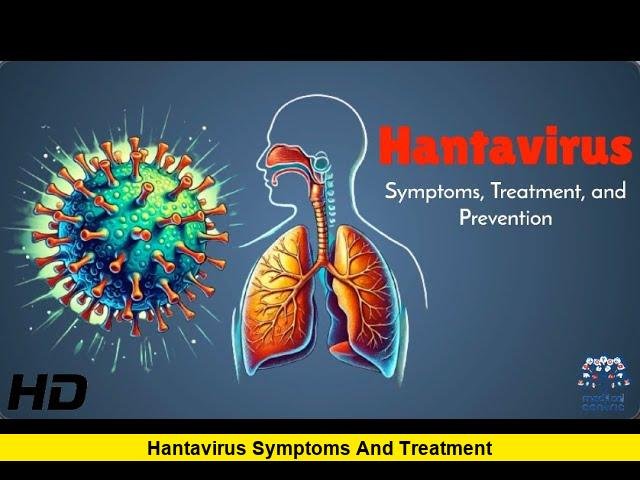

A deadly virus once considered rare is back in global headlines. A suspected hantavirus outbreak aboard a cruise ship in the Atlantic Ocean has killed three people and left others in critical condition, prompting urgent alerts from the World Health Organization (WHO). Whether you are a traveler, a healthcare professional, or simply someone who wants to stay informed, understanding hantavirus symptoms and treatment could be life-saving.
What Is Hantavirus?
Hantavirus is a disease caused by one of several types of hantaviruses found in wild rodents, including mice and rats. People are most commonly exposed when they come into contact with rodents and their urine, droppings, or saliva — through contaminated food, contaminated air, or in rare cases, a rodent bite.
There are over 50 known hantavirus species, causing two major clinical syndromes: Hemorrhagic Fever with Renal Syndrome (HFRS), which is endemic to Europe and Asia, and Hantavirus Pulmonary Syndrome (HPS), which is endemic to the Americas.
Breaking News: Hantavirus Kills Three on Atlantic Cruise Ship
In one of the most alarming recent public health events involving this virus, a suspected hantavirus outbreak on a cruise ship sailing through the Atlantic Ocean killed three people — including an elderly married couple — and sickened at least three others. The World Health Organization and South Africa’s Department of Health confirmed the outbreak, with at least one case of hantavirus laboratory-confirmed. One patient was placed in intensive care at a South African hospital.
The outbreak occurred aboard the MV Hondius, a Dutch-flagged polar cruise ship operated by Oceanwide Expeditions. The vessel had departed Argentina approximately three weeks prior, sailing a route that included Antarctica, the Falkland Islands, and the remote island of Saint Helena, before heading toward Spain’s Canary Islands.
The first victim was a 70-year-old man who died aboard the ship. His body was removed at Saint Helena, a British overseas territory in the South Atlantic. His wife later collapsed at a South African airport while attempting to fly home to the Netherlands and died at a nearby hospital. A British national who fell ill near Ascension Island was airlifted to Johannesburg, where they remained in intensive care. A third fatality was also confirmed, with discussions underway regarding the isolation and treatment of additional symptomatic passengers in Cape Verde, where the ship docked.
The WHO confirmed it was working with national authorities and the ship’s operators to conduct a full public health risk assessment, while South Africa’s National Institute for Communicable Diseases began contact tracing in the Johannesburg region. Virus sequencing was also reported to be underway.
This outbreak follows renewed global attention on hantavirus after the death of actor Gene Hackman’s wife, Betsy Arakawa, from hantavirus infection in New Mexico in early 2025.
Hantavirus Symptoms: Early and Late Stages
Recognizing hantavirus symptoms early is critical. The disease progresses rapidly and can become fatal within days.
Early-Stage Symptoms (Days 1–7)
Early symptoms are easily mistaken for influenza, which is one of the reasons hantavirus is so dangerous. Common early warning signs include:
- Sudden high fever (above 101°F / 38.3°C)
- Intense headache
- Muscle aches, especially in the thighs, hips, back, and shoulders
- Fatigue and weakness
- Chills and dizziness
- Nausea, vomiting, diarrhea, and abdominal pain (in approximately 50% of cases)
Symptoms typically appear one to eight weeks after exposure to an infected rodent or contaminated environment.
Late-Stage Symptoms (Days 4–10)
As the disease progresses, it attacks the lungs and can cause rapid deterioration:
- Dry cough and worsening shortness of breath
- Chest tightness as fluid fills the lungs
- Rapid breathing and bluish skin tone (a sign of oxygen deprivation)
- In HFRS cases: kidney pain, reduced urination, and potential kidney failure
Patients can go from feeling mildly unwell to requiring a ventilator within 24 to 48 hours. The speed of this deterioration is what makes early medical intervention so essential.
How Deadly Is It?
Hantavirus is one of the more lethal viral infections known to medicine. Approximately 38% of people who develop respiratory symptoms from HPS die from the disease. Around one-third of ICU patients may not survive the critical first 48 hours. However, those who stabilize beyond that window often recover fully within two to three weeks, generally without long-term complications.
Hantavirus Treatment: What Doctors Do
There is currently no specific antiviral drug or vaccine approved to treat hantavirus in most parts of the world. Treatment is entirely supportive and focuses on keeping the patient alive while the body attempts to fight the infection.
Supportive Care Measures Include:
Oxygen therapy: Patients with breathing difficulties are given supplemental oxygen. In severe cases, mechanical ventilation (intubation) is required.
ECMO (Extracorporeal Membrane Oxygenation): In the most critical cases where the lungs fail completely, blood is oxygenated outside the body using a machine — a last-resort intervention used in major ICUs.
IV fluids and blood pressure stabilization: Medications are administered intravenously to maintain blood pressure and prevent circulatory collapse.
Dialysis: For patients with Hemorrhagic Fever with Renal Syndrome, where the kidneys are affected, dialysis can be lifesaving during the acute phase.
Close monitoring: Constant observation in an ICU setting is essential, as the condition can change dramatically within hours.
Unlike the flu or COVID-19, there are no approved vaccines or targeted antiviral cures for hantavirus as of today. This makes prevention and early detection the two most powerful tools available.
How Is Hantavirus Spread?
Hantaviruses are found in wild rodents across the world, which shed the virus throughout their lives through saliva, urine, and feces. Human infection occurs primarily through:
- Inhalation of airborne particles from dried rodent droppings or urine
- Direct contact with rodent excreta, nesting materials, or carcasses
- Rodent bites (rare)
The virus does not spread through casual human-to-human contact such as handshakes, sharing food, or sneezing. However, the WHO has noted that in rare circumstances, person-to-person transmission may be possible, making monitoring of close contacts important in outbreak situations like the MV Hondius case.
Who Is at Risk?
Anyone who comes into contact with infected rodents or their environment can contract hantavirus. Those at elevated risk include:
- Campers, hikers, and outdoor adventurers
- Farmers and agricultural workers
- Construction or demolition workers disturbing old buildings
- Hunters and trappers
- Travelers to remote or rural regions
- Passengers and crew on vessels traveling through areas with high rodent activity
The MV Hondius outbreak is a sobering reminder that hantavirus exposure can happen in unexpected settings — including aboard a cruise ship — particularly after stopovers in remote locations where rodent populations may carry the virus.
Prevention: How to Protect Yourself
Prevention remains the single most effective defence against hantavirus. Health authorities recommend the following measures:
Seal your home and accommodation: Block all gaps and holes — even those as small as a pencil’s diameter — that rodents could use to enter.
Clean safely: Never sweep or vacuum rodent droppings dry. Soak the area in disinfectant first, then wipe with damp paper towels while wearing gloves and an N95 respirator mask.
Store food properly: Keep food in sealed, rodent-proof containers and dispose of garbage in closed bins regularly.
Ventilate before entering: When opening a cabin, shed, or vehicle that has been closed for some time, air it out for at least 30 minutes before entering.
On cruises and outdoor trips: Report any signs of rodent activity — droppings, gnaw marks, nesting materials — to ship crew or campsite staff immediately.
Wash hands frequently: Especially after handling materials in areas where rodents may have been present.
When to See a Doctor
If you develop fever, muscle aches, and fatigue — particularly after being in an environment where rodents may have been present — do not wait. Seek emergency medical care immediately and tell your doctor about any potential rodent exposure. This detail is critical for accurate diagnosis and can change the course of treatment.
Early hospitalization, supportive care, and close monitoring dramatically improve the chances of survival. Every hour counts.
Final Thoughts
Hantavirus is rare, but as the MV Hondius cruise ship tragedy has shown, it can strike in unexpected places and escalate with frightening speed. Knowing the early warning signs — fever, fatigue, and muscle aches — and acting immediately can be the difference between life and death. There is no cure today, but prompt medical attention and intensive supportive care greatly improve outcomes.
Stay informed, take any rodent exposure seriously, and never dismiss flu-like symptoms if you have recently been in a high-risk environment.