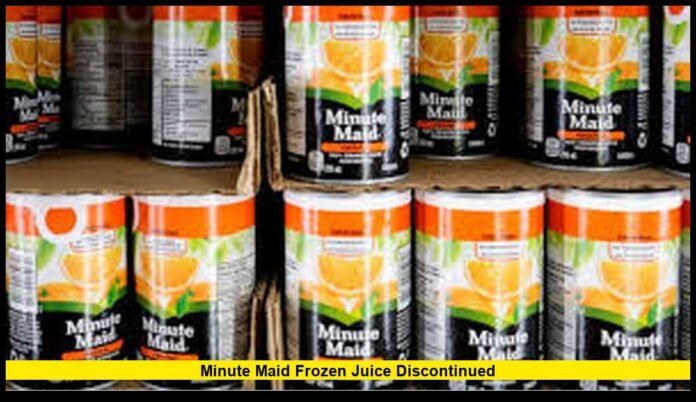

Minute Maid frozen juice discontinued has become one of the biggest grocery changes of 2026, as the long-standing freezer aisle favorite is officially phased out across the United States.
The Coca-Cola Company has ended production of Minute Maid frozen juice concentrate, bringing an end to a product that helped define American breakfasts for generations. As of April 2026, most retailers are clearing out remaining stock, and once it’s gone, it will not return.
What Products Are No Longer Available?
The discontinuation affects the entire frozen concentrate lineup under the Minute Maid brand. These small cans were once a staple in freezers nationwide.
Products removed from production include:
- Frozen orange juice concentrate
- Frozen lemonade
- Pink lemonade concentrate
- Limeade
- Raspberry lemonade
Shoppers may still find limited quantities in some stores, but availability is shrinking quickly.
When Did the Change Take Effect?
This transition happened rapidly in early 2026.
Key timeline:
- Early 2026: Decision finalized
- First quarter of 2026: Production stopped
- Spring 2026: Products began disappearing from shelves
By now, many major grocery chains across the U.S. have already sold out or are down to their final inventory.
Why Minute Maid Frozen Juice Was Discontinued
The move reflects how much consumer habits have changed over time.
1. Convenience Now Drives Buying Decisions
Modern shoppers want drinks that are ready immediately. Frozen concentrate requires mixing with water, which feels outdated compared to grab-and-go options.
2. Demand Has Declined for Years
Sales of frozen juice have steadily dropped. As more beverage choices entered the market, fewer consumers relied on concentrate.
3. Coca-Cola Is Refocusing Its Portfolio
The company is investing in faster-growing categories such as:
- Refrigerated juices
- Zero-sugar beverages
- Functional and wellness drinks
Shifting away from slow-moving products allows for better alignment with current demand.
A Product That Defined Generations
Minute Maid frozen juice concentrate dates back to 1946. It was originally developed to provide a reliable source of vitamin C and quickly became a household essential.
For decades, it played a central role in American kitchens:
- A budget-friendly juice option
- Easy to store for long periods
- A go-to for family breakfasts
Many families remember mixing the concentrate with water as part of their daily routine.
What Changed in the Juice Market?
Several long-term shifts led to the decline of frozen concentrate.
Improved Refrigeration and Distribution
Fresh and refrigerated juices became widely available, reducing the need for frozen alternatives.
Health Awareness
Consumers are paying closer attention to sugar content and ingredient quality. Fresh juice and specialty drinks now feel like better options.
Lifestyle Evolution
Busy routines favor convenience. Ready-to-drink bottles and cartons require no preparation, making them more appealing.
How Shoppers Are Reacting
The discontinuation has sparked strong reactions across the U.S.
Many consumers feel nostalgic about the product. It reminds them of childhood, family breakfasts, and simple routines.
At the same time, younger shoppers are less affected. Many had already shifted to refrigerated or bottled juice options.
Will Other Frozen Juice Brands Replace It?
Some frozen juice products may remain available through store brands or smaller companies. However, the category is expected to shrink significantly without Minute Maid leading the market.
This means:
- Fewer choices in the freezer aisle
- Reduced visibility for frozen juice products
- Continued decline of the category overall
Best Alternatives for Consumers
With frozen concentrate disappearing, shoppers are turning to other options.
Common replacements include:
- Refrigerated orange juice cartons
- Bottled juice blends
- Fresh-squeezed juice
- Low-sugar and functional beverages
These alternatives better match current preferences for convenience and variety.
Impact on Grocery Stores
Retailers are already adjusting their shelves to reflect changing demand.
What’s changing in stores:
- Less freezer space for juice
- More refrigerated beverage options
- Expanded selections of ready-to-drink products
This shift mirrors broader trends across the food and beverage industry.
A Sign of a Bigger Shift
The end of Minute Maid frozen juice highlights how even iconic products can fade as consumer habits evolve.
The beverage industry continues to move toward:
- Health-focused drinks
- Premium offerings
- Convenient formats
Products that don’t align with these trends are becoming less sustainable in today’s market.
Final Thoughts
Minute Maid frozen juice was more than just a product—it was part of everyday life for millions of Americans. Its disappearance marks the close of a chapter that lasted nearly 80 years.
As grocery shelves continue to evolve, this change reflects a new era of convenience and consumer choice.
Do you remember using frozen juice concentrate, or have you already switched to newer options? Share your thoughts and join the conversation.