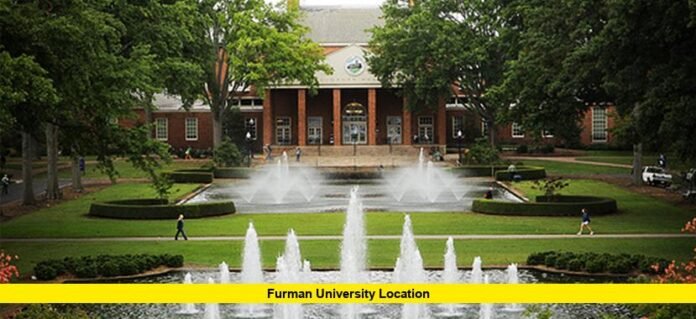

Furman University location has become a trending topic as the Greenville, South Carolina campus finds itself at the heart of one of the most talked-about college town revivals in the American South. Tucked into the rolling foothills of the Blue Ridge Mountains, Furman’s stunning 750-acre campus is drawing fresh national attention — and for reasons that go far beyond academics.
This story is only getting bigger, so keep following along as the details continue to unfold.
Quick Context: Why Furman Is on Everyone’s Radar
Furman University is a private liberal arts institution located in Greenville, South Carolina, consistently ranked among the top liberal arts colleges in the Southeast. Known for its iconic lake, Japanese garden, and bell tower, the campus has long been celebrated for its beauty. But now, Furman’s physical location is playing a starring role in a broader regional story about growth, investment, and what it means for a mid-sized American city to boom almost overnight.
Greenville, SC has quietly transformed into one of the fastest-growing cities in the United States — and Furman sits right at the edge of it all, just five miles from downtown.
Timeline: How Greenville Grew Around a University
For decades, Furman and Greenville coexisted without much fanfare. The university relocated to its current campus in 1958, moving from its original downtown location to a sprawling suburban setting along Poinsett Highway. For many years, that move felt like a step away from city life.
Then Greenville began to transform. Downtown revitalization efforts sparked a restaurant boom, a thriving arts scene, and a wave of corporate relocations. BMW’s regional manufacturing presence and Michelin’s North American headquarters brought international recognition to the area. Suddenly, Furman’s location — once considered quiet and removed — became a front-row seat to one of the South’s most remarkable economic success stories.
By the early 2020s, Greenville regularly appeared on national “best places to live” lists, and Furman’s campus became an unexpected draw for prospective students who wanted both a rigorous academic environment and easy access to a vibrant, growing city just minutes away.
What People Noticed: The Campus-to-City Pipeline
What sparked the latest wave of public conversation is a growing discussion about how Furman’s location gives students advantages that traditional rural liberal arts colleges simply cannot match. Students and alumni have been vocal about their experiences, highlighting how Furman’s proximity to Greenville’s expanding job market, healthcare industry, and emerging tech sector creates real internship and career opportunities that rival those found near much larger universities.
People have also taken notice of the campus environment itself. The reflective lake, manicured rose gardens, Japanese garden, and open amphitheater make Furman one of the most visually striking university settings anywhere in the country — a factor that carries significant weight in an era where campus aesthetics influence enrollment decisions more than ever before.
Social Media Reaction: A Campus Gone Viral
Videos and photos of Furman’s campus have been spreading rapidly across platforms like TikTok and Instagram, with viewers reacting with genuine surprise and admiration. Comments expressing disbelief — reactions along the lines of not knowing such a beautiful campus existed — have filled posts featuring sweeping drone footage of the lake and the Blue Ridge Mountain backdrop.
Travel and lifestyle content creators have begun featuring Furman as a destination in its own right, not just as an academic institution. Content linking Furman to Greenville tourism has reached audiences far outside traditional college search circles, introducing the university to people who had never considered the Carolinas as a college destination.
What the University Has Said
University leadership has embraced the growing attention. Furman’s administration has publicly emphasized the advantages of its location in recruitment efforts, framing Greenville’s rapid growth as a direct benefit for student career outcomes. The university has deepened partnerships with local businesses and expanded career-readiness programming designed to connect students directly to Greenville’s corporate and entrepreneurial ecosystem.
Officials have also highlighted ongoing sustainability investments on campus — including renewable energy initiatives and conservation work around the lake — adding an environmental dimension to the university’s appeal that resonates strongly with today’s college-age generation.
Why the Story Keeps Trending
The Furman conversation taps into several debates Americans are actively having right now: the real-world value of a liberal arts degree, the explosive rise of mid-sized Southern cities, and what truly makes a university’s location worth choosing in 2025 and beyond. As families weigh tuition costs against career outcomes more carefully than ever, a school that combines natural beauty, academic strength, and proximity to real economic opportunity stands out from the crowd.
Furman’s story also feeds directly into the broader “New South” narrative — a region that has shed outdated stereotypes and emerged as a genuine economic and cultural powerhouse. National conversations about Southern growth increasingly pull Furman into the spotlight.
What Happens Next
Watch for a continued surge in out-of-state interest as more prospective students discover Furman through social media rather than traditional college search platforms. Greenville’s ongoing expansion will only amplify the university’s visibility on a national stage. Discussions around improved connectivity between the campus and downtown Greenville are also gaining momentum, a development that could deepen the already strong bond between the university and its host city.
As college rankings increasingly factor in career placement rates and regional opportunity, Furman’s distinctive position may earn it even greater national recognition in the years ahead.
Share your thoughts on what matters most when choosing a university’s location — and stay updated as Furman and Greenville continue making headlines across the country.