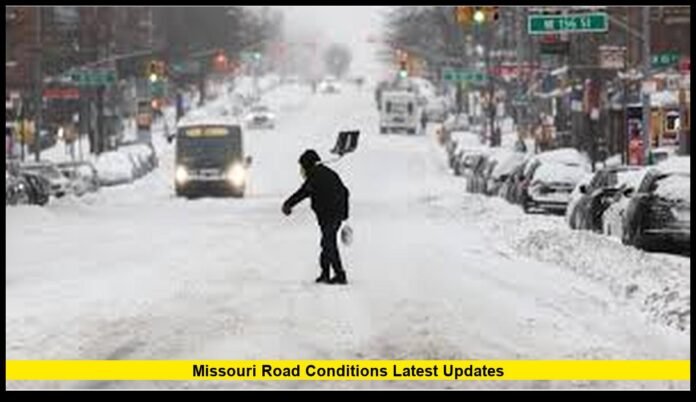

Missouri road conditions continue to shape daily travel across the state as drivers navigate changing weather patterns, traffic demand, and ongoing infrastructure work. As of today, transportation officials across Missouri are actively tracking roadway safety, surface quality, and traffic flow using real-time systems to ensure motorists have the most accurate picture possible before and during travel.
From major interstate corridors to two-lane rural highways, driving conditions across Missouri remain dynamic. While many routes operate normally, localized issues such as congestion, maintenance zones, and weather-related impacts can develop quickly. Understanding how the state manages its road network and what drivers are encountering today is essential for safe and efficient travel.
How Missouri Tracks Roadway Conditions in Real Time
Missouri maintains one of the most comprehensive roadway monitoring systems in the Midwest. Transportation teams rely on a combination of technology and on-the-ground reporting to evaluate pavement conditions, traffic speeds, and safety concerns as they occur.
This approach allows officials to identify potential hazards early and respond efficiently. Crews are deployed strategically based on data collected from across the state.
Key components of the monitoring system include:
- Traffic cameras positioned along high-volume routes
- Road sensors measuring temperature and surface moisture
- Reports from maintenance and inspection crews
- Input from emergency responders and law enforcement
Together, these tools provide a continuous snapshot of travel conditions statewide.
Interstate Travel and Traffic Flow Across Missouri
Missouri’s interstate highways play a central role in both commuter and commercial travel. Routes such as I-70, I-44, I-55, and I-35 carry a mix of passenger vehicles and freight traffic throughout the day.
Traffic flow on these highways varies by time and location. Urban segments often experience congestion during morning and evening rush hours, while rural stretches are more influenced by weather and construction schedules.
Drivers traveling on these routes may notice:
- Slower speeds near metropolitan areas
- Lane shifts or temporary closures for maintenance
- Increased truck traffic during business hours
- Active monitoring during storms or high-impact events
Conditions can change quickly, making situational awareness especially important on long-distance trips.
Differences Between Urban and Rural Driving Conditions
Driving experiences across Missouri differ significantly depending on location. Urban centers benefit from dense monitoring coverage and faster response times, while rural areas require greater caution due to limited alternatives and resources.
City roadways are typically cleared and treated more quickly during winter weather, and traffic signals help manage congestion. Rural roads, however, may remain slick longer and often lack lighting or wide shoulders.
Key contrasts include:
- Faster incident response in metro regions
- Narrower lanes outside cities
- Fewer detour options in rural counties
- Greater exposure to wildlife crossings
Drivers traveling between regions should adjust expectations and driving behavior accordingly.
Weather’s Role in Roadway Safety
Weather remains one of the most influential factors affecting travel throughout Missouri. Seasonal shifts bring a range of challenges, from winter ice to summer heat that stresses pavement.
Cold-weather conditions can reduce traction and visibility, especially on bridges and overpasses. During warmer months, heavy rain can lead to hydroplaning risks and temporary flooding in low-lying areas.
Common weather-related concerns include:
- Ice accumulation during freezing rain
- Reduced visibility in fog or snow
- Standing water after heavy rainfall
- Pavement expansion during prolonged heat
Transportation crews monitor forecasts closely to prepare treatments and advisories ahead of major events.
Construction Activity and Infrastructure Improvements
Ongoing construction plays a vital role in maintaining Missouri’s transportation network. Projects are designed to improve safety, extend roadway life, and accommodate growing traffic volumes.
While necessary, construction zones can create short-term disruptions. Lane reductions, speed limit changes, and detours are common features near active work sites.
Typical projects include:
- Road resurfacing and rehabilitation
- Bridge repairs and replacements
- Shoulder widening and drainage upgrades
- Safety enhancements such as new barriers and signage
Drivers are urged to remain alert in work zones, where conditions can change rapidly.
Traffic Incidents and Unexpected Delays
Accidents, disabled vehicles, and roadway debris can quickly alter travel conditions. Even a minor incident can lead to significant slowdowns, particularly during peak travel periods.
Incident response teams work to restore normal flow as quickly as possible, but congestion may persist until scenes are fully cleared.
Drivers may encounter:
- Temporary lane closures
- Emergency vehicles on shoulders or lanes
- Reduced speed zones
- Traffic backups extending beyond the incident area
Maintaining patience and following posted guidance helps keep everyone safe.
Staying Informed Before and During Travel
Access to timely information is one of the most effective tools for safe travel. Missouri drivers have access to real-time updates that reflect current roadway and traffic conditions.
These resources provide details such as:
- Live traffic maps showing congestion levels
- Camera views of major routes
- Alerts for incidents or severe weather
- Construction and maintenance notifications
Checking conditions before departure allows travelers to adjust routes or delay trips when necessary.
Seasonal Travel Patterns and Their Impact
Travel patterns in Missouri shift throughout the year. Holiday weekends, agricultural transport, and tourism seasons all place added demand on roadways.
During high-volume periods, drivers may notice:
- Increased congestion near popular destinations
- More freight movement on key corridors
- Heightened enforcement for safety compliance
- Additional maintenance activity to manage wear
Planning ahead during these times can significantly reduce travel stress.
Safety Practices for Missouri Drivers
Safe driving habits remain essential regardless of road or weather conditions. Transportation officials consistently emphasize the importance of adapting driving behavior to current circumstances.
Recommended practices include:
- Slowing down on wet or icy surfaces
- Leaving extra space between vehicles
- Staying focused and avoiding distractions
- Using headlights during low visibility
- Respecting speed limits and warning signs
These actions help reduce crashes and improve overall traffic flow.
Economic Importance of Reliable Roadways
Missouri’s road network supports more than just daily commuting. As a centrally located state, Missouri serves as a critical link for national freight movement and regional commerce.
Well-maintained roads help ensure:
- Efficient delivery of goods
- Reliable access for emergency services
- Stable supply chains for businesses
- Consistent travel for workers and visitors
Investment in roadway maintenance directly supports economic stability across the state.
Ongoing Evaluation and Future Outlook
Transportation teams continue to evaluate roadway performance daily, responding to emerging issues and planning long-term improvements. Data collected from across the state helps guide future projects and safety initiatives.
While conditions today may be stable in many areas, drivers should remain prepared for sudden changes caused by weather, traffic incidents, or maintenance needs. Staying informed remains the best strategy for navigating Missouri road conditions safely and efficiently.
Whether you’re commuting locally or traveling across the state, staying aware of current conditions can make every trip safer—share your observations or stay tuned for continued updates as conditions evolve.