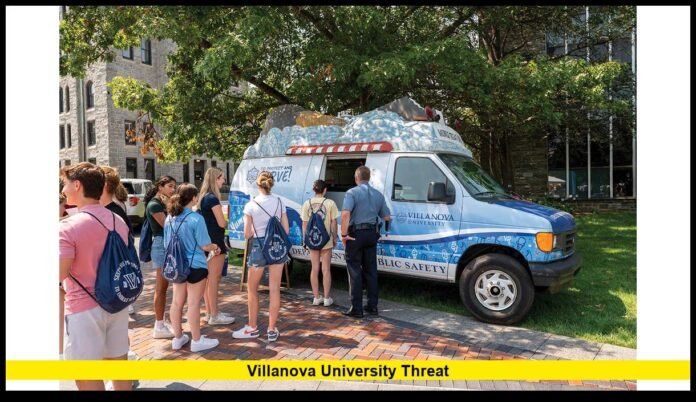

The Villanova University threat topic has drawn renewed attention in recent months as universities across the United States continue to strengthen safety procedures and digital alert systems. While there is no current or verified active threat at Villanova University as of January 2026, the school maintains comprehensive security measures to ensure student, staff, and visitor protection on and around its suburban Philadelphia campus.
The heightened national focus on campus safety follows several security incidents at colleges nationwide in late 2025 that led universities to review protocols, improve response times, and enhance communication tools. Villanova University remains proactive in that ongoing effort, keeping its community informed through official updates, emergency drills, and expanded public safety resources.
Current Campus Status in 2026
Villanova University, located in Radnor Township, Pennsylvania, continues normal operations with in-person classes, events, and athletic activities proceeding as scheduled. Local law enforcement and campus officials have confirmed that there are no credible or specific threats to the university community at this time.
The university’s Department of Public Safety, which operates 24 hours a day, emphasizes that maintaining awareness and reporting suspicious activity remain essential parts of the school’s preventative approach. Officials encourage students and employees to stay informed through the university’s Nova Alert system, which sends immediate notifications via text and email during emergencies or safety concerns.
How Villanova Handles Threat Assessments
Villanova’s threat-assessment and emergency-response structure reflects national best practices used by major higher-education institutions.
Key components include:
- Threat Assessment Team (TAT): A multidisciplinary group that reviews reports of potential risks and coordinates intervention or support services.
- Behavioral-Health Collaboration: Counseling and psychological services work closely with campus police to address issues before they escalate.
- Rapid Notification System: The Nova Alert platform and outdoor loudspeaker network deliver instant warnings during emergencies.
- Training and Drills: Faculty, staff, and students regularly participate in preparedness exercises, including active-threat simulations and evacuation training.
By integrating prevention, communication, and education, Villanova aims to reduce the likelihood of safety incidents and ensure coordinated responses should one ever occur.
National Context: Why Campus Safety Remains a Priority
While Villanova University currently faces no active threat, nationwide attention to campus security continues to grow. In 2025, several universities across different states dealt with false alarms or online threat hoaxes, highlighting how quickly misinformation can spread on social media.
These cases prompted many schools, including Villanova, to emphasize clear communication channels and timely verification of facts before information circulates online. Public-safety leaders note that transparency and prompt alerts help prevent panic while maintaining trust between students and campus authorities.
Villanova University’s police department and local law-enforcement agencies maintain open coordination channels, ensuring swift response capability if any credible concern arises.
Villanova’s Public Safety Infrastructure
Villanova’s 260-acre campus in suburban Philadelphia is consistently recognized for its safety record. The Department of Public Safety includes more than 75 trained officers and security personnel who patrol the area around the clock.
Core safety resources available on campus include:
| Program | Description | Availability |
|---|---|---|
| Nova Alert | Emergency notifications via text, email, and web updates | 24/7 |
| Blue-Light Phones | Dozens of emergency call boxes across campus | Continuous |
| Safe Escort Program | Free safety escorts for students walking at night | 6 p.m.–2 a.m. |
| RAD Training | Rape Aggression Defense classes for community members | Scheduled sessions |
| Campus Patrol | Vehicle and foot patrol coverage of all residence halls and facilities | 24/7 |
These efforts, combined with strong partnerships with Radnor Township Police, have helped Villanova maintain one of the lowest campus-crime rates among private universities in Pennsylvania.
Student and Faculty Awareness Initiatives
Villanova University places heavy emphasis on community education to prevent misunderstandings or miscommunication during potential security alerts.
Awareness Campaigns
Public-safety briefings occur each semester, teaching new students how to identify and report concerning behavior, use emergency phones, and interpret Nova Alert notifications.
Faculty and Staff Training
Professors and administrators receive guidance on handling emergency situations in classrooms or offices. Many departments maintain customized emergency plans outlining evacuation routes and shelter-in-place options.
Mental-Health Support
Recognizing that perceived threats can also stem from stress or miscommunication, Villanova’s Counseling Center offers immediate support and referrals to ensure students in crisis receive help quickly.
Technology’s Role in Campus Safety
Digital technology continues to transform how universities manage threats and emergencies. Villanova has invested in advanced software that integrates security cameras, access-control systems, and communication tools.
Highlights include:
- Over 500 security cameras covering academic and residential zones.
- Smart-lock access systems requiring ID verification for dormitories and select academic buildings.
- Real-time communication apps that allow users to report suspicious activity directly to dispatchers with GPS accuracy.
These features allow faster investigation of incidents and more efficient coordination with local authorities.
Collaboration With Law Enforcement
Villanova’s Department of Public Safety maintains strong ties with multiple law-enforcement agencies, including:
- Radnor Township Police Department
- Delaware County Emergency Services
- Pennsylvania State Police
- FBI Philadelphia Field Office (as needed)
This network ensures that in the event of any verified threat, resources from multiple jurisdictions can mobilize immediately. Joint training exercises between Villanova officers and township police occur several times a year, focusing on response tactics, communication, and crowd management during major events.
Community Reactions and Campus Confidence
Students and faculty often describe Villanova’s campus environment as both secure and welcoming. Many note that visible patrols, well-lit walkways, and responsive alert systems contribute to a strong sense of safety.
Parents and alumni frequently highlight the university’s proactive communication strategy, particularly during weather emergencies or power outages, as an example of transparency and preparedness.
Online discussion among students in early 2026 reflects overall confidence in Villanova’s approach to threat management, though many continue to advocate for ongoing training, especially regarding digital-security awareness and social-media responsibility.
Handling False Threats and Online Misinformation
In recent years, universities nationwide have contended with false social-media threats or hoaxes spread through anonymous platforms. Villanova University has established clear disciplinary and legal protocols for such cases, emphasizing that any threat—real or fabricated—can result in serious consequences.
The Department of Public Safety works with digital-forensics specialists to monitor and verify online claims before issuing alerts. This approach reduces confusion and helps keep communication factual and timely.
Emergency Preparedness Beyond the Campus
Because Villanova sits near major transportation routes such as Interstate 476 and Lancaster Avenue, collaboration with township emergency-management teams extends beyond the campus borders.
Joint planning includes:
- Coordinated evacuation and shelter procedures.
- Shared access to county-wide radio networks.
- Periodic review of public-health and weather-related emergency responses.
This regional cooperation strengthens Villanova’s readiness not only for campus-specific issues but also for broader community challenges.
Safety During Major Events
Villanova frequently hosts basketball games, commencement ceremonies, and large-scale conferences that bring thousands of visitors to the campus. Event-specific security plans include increased patrols, entry screenings, and designated emergency exits.
During high-profile athletic events, collaboration with local police ensures traffic control and crowd safety. Emergency-medical staff are stationed at designated posts, and attendees receive reminders to follow posted safety instructions.
Such detailed planning ensures that both visitors and community members can enjoy events without disruption.
Looking Ahead: Continued Commitment to Campus Security
Villanova University’s leadership has repeatedly emphasized that safety remains a top institutional priority. Investments in infrastructure, personnel training, and community education are set to continue through 2026 and beyond.
Planned updates include:
- Expansion of surveillance coverage in parking areas.
- Additional blue-light call stations.
- Upgraded campus-wide public-address systems.
- Continued collaboration with neighboring colleges to share best practices.
These steps reinforce Villanova’s long-standing reputation as one of the safest private universities in the region.
Key Takeaways
- There is no verified or ongoing Villanova University threat as of January 2026.
- Campus safety operations remain fully active, emphasizing prevention and preparedness.
- The Nova Alert system and 24-hour patrols are central to rapid communication.
- Students and faculty play a key role in maintaining awareness and cooperation.
- Collaboration with local and state agencies ensures comprehensive emergency readiness.
Villanova University continues to demonstrate that proactive safety planning, transparent communication, and community involvement are the strongest defenses against any potential threat. Stay informed, stay prepared, and stay connected.