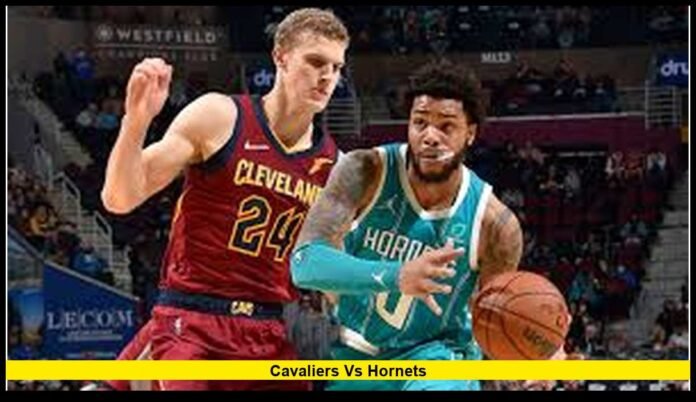

Cavaliers vs Hornets took center stage on January 21, 2026, when Cleveland traveled to Charlotte for a midseason Eastern Conference showdown that carried weight far beyond a single game. With playoff positioning tightening and both teams navigating key injuries, the matchup reflected where each franchise stands in the 2025–26 NBA season and what lies ahead.
The contest at Spectrum Center brought together two teams on different paths. Cleveland arrived as a playoff contender built on defense, depth, and star leadership. Charlotte, still developing a young core, entered looking to prove it could compete with established teams on a consistent basis.
Eastern Conference Setting
Cleveland reached this game with a winning record and a firm place in the top half of the Eastern Conference standings. The Cavaliers’ season has been marked by balance on both ends of the floor, a strong defensive identity, and the ability to absorb injuries without losing structure. Their road performance has been a point of emphasis, as success away from home often separates secure playoff teams from those fighting for position.
Charlotte, meanwhile, has spent much of the season just outside the postseason picture. The Hornets have shown flashes of high-level play, especially against stronger opponents, but consistency remains the primary challenge. Home games against teams like Cleveland serve as measuring sticks for how far the roster has progressed and how close it is to sustained competitiveness.
Injury Situations and Rotation Adjustments
Injuries shaped the approach for both teams in this Cavaliers vs Hornets meeting.
Cleveland’s Roster Challenges
Cleveland entered the game without several key contributors from its backcourt and wing rotation. Those absences forced the coaching staff to rely more heavily on the core trio and to adjust offensive spacing. The Cavaliers leaned on ball movement, interior scoring, and disciplined defense to maintain efficiency despite the missing shooting and secondary playmaking.
The lack of depth at guard increased the minutes for primary scorers and placed greater responsibility on role players to defend multiple positions, rebound, and limit turnovers.
Charlotte’s Availability Concerns
Charlotte also dealt with frontcourt and rotation gaps. The Hornets had to manage minutes carefully and rely on smaller lineups in certain stretches. That approach emphasized speed and perimeter shooting but also placed extra strain on defensive rebounding and rim protection.
For a young team, navigating these challenges against a disciplined opponent like Cleveland provided a real-time test of adaptability and composure.
How the Game Unfolded
From the opening tip, Cleveland established control through pace and precision. The Cavaliers executed their half-court sets with patience, creating high-quality looks and forcing Charlotte into contested shots. Early defensive stops fueled transition opportunities, allowing Cleveland to build momentum.
Charlotte responded with aggressive drives and quick ball movement, aiming to counter Cleveland’s size with speed and spacing. The Hornets found stretches of success from the perimeter, but sustaining those runs proved difficult as Cleveland adjusted defensively and tightened rotations.
By halftime, the Cavaliers had created a comfortable cushion. Their ability to limit second-chance points and control the glass played a major role, as did efficient scoring in the paint and from mid-range.
The third quarter became a test of resilience for Charlotte. The Hornets attempted to push the tempo and apply pressure, but Cleveland’s composure prevented any extended comeback. Smart shot selection and timely defensive plays kept the Cavaliers in control during key moments.
Star Power and On-Court Leadership
Cleveland Cavaliers
Donovan Mitchell
Mitchell once again carried the offensive load. His shot creation, ability to draw defenders, and willingness to facilitate when double-teamed kept the Cavaliers’ offense flowing. Whether attacking the rim or pulling up from distance, he set the tone for Cleveland’s scoring approach.
Evan Mobley
Mobley’s influence went beyond the box score. Defensively, he anchored the paint, altered driving lanes, and helped on the perimeter when switches occurred. Offensively, his presence in pick-and-roll situations and his improved touch around the basket added another layer to Cleveland’s attack.
Jarrett Allen and the Frontcourt
Allen’s work on the boards and as a rim protector complemented Mobley’s versatility. Together, they formed a defensive backbone that limited Charlotte’s interior efficiency and controlled rebounding, a decisive factor in maintaining Cleveland’s lead.
Charlotte Hornets
LaMelo Ball
Ball remained the focal point of Charlotte’s offense. His vision and creativity sparked fast breaks and open looks, and his ability to score off the dribble kept Cleveland’s defense engaged. Even under pressure, he continued to push the pace and look for opportunities to involve teammates.
Brandon Miller
Miller’s scoring on the wing and confidence in attacking closeouts stood out. His development as a reliable option has become a central storyline for Charlotte, and performances against strong defensive teams offer insight into his growth.
Supporting Cast and Young Contributors
Extended minutes for younger players brought energy and effort, particularly on the perimeter. While execution fluctuated, the willingness to compete and defend showed the direction Charlotte aims to build upon.
Tactical Themes
Control of Tempo
Cleveland’s preference for a controlled, structured pace contrasted with Charlotte’s desire to play fast. By limiting live-ball turnovers and getting back on defense, the Cavaliers reduced the Hornets’ transition chances, forcing more half-court possessions where Cleveland’s size and organization provided an advantage.
Perimeter Shooting and Spacing
Charlotte relied heavily on outside shooting to stretch the floor. When shots fell, the offense opened up driving lanes and created brief momentum shifts. Cleveland countered by closing out aggressively and rotating quickly, prioritizing contested threes over allowing penetration.
Interior Defense and Rebounding
The battle in the paint tilted toward Cleveland. The Cavaliers’ ability to protect the rim and secure defensive rebounds prevented Charlotte from generating second-chance points, a key factor in maintaining scoreboard control.
Recent Series Context
The Cavaliers vs Hornets season series has featured competitive, high-scoring games. Earlier matchups produced close finishes and showcased the offensive potential of both teams. Charlotte has demonstrated that it can challenge Cleveland when pace and shooting align, while the Cavaliers have relied on depth and defensive discipline to prevail over the course of four quarters.
These games highlight a contrast in roster construction. Cleveland’s core is built around established stars and playoff-tested contributors. Charlotte’s foundation centers on youth, development, and long-term growth, making each encounter a blend of present ambition and future potential.
Implications for Cleveland
For the Cavaliers, performances like this reinforce the team’s identity. Winning on the road, especially while shorthanded, strengthens confidence and solidifies positioning in a tightly packed conference. Consistency against teams lower in the standings is essential for securing a favorable playoff path.
The ability to adapt rotations, maintain defensive intensity, and rely on star leadership continues to define Cleveland’s season. As the schedule progresses, health and depth will remain key factors, but games like this illustrate the team’s capacity to handle adversity.
Implications for Charlotte
For the Hornets, the matchup provided both lessons and encouragement. Competing with a playoff-caliber opponent exposed areas that need refinement, such as defensive rebounding and half-court execution. At the same time, the energy, shot-making, and flashes of cohesion from the young core offered signs of progress.
Charlotte’s focus remains on development, building habits, and translating potential into consistent performance. Facing structured, physical teams like Cleveland accelerates that learning process and helps define priorities for the remainder of the season.
Looking Forward
The Cavaliers continue through a stretch of conference games that will shape the standings and influence postseason seeding. Maintaining defensive standards, managing minutes, and keeping key players healthy are central goals as the season enters its decisive phase.
The Hornets move ahead with an emphasis on growth, chemistry, and resilience. Each high-level opponent presents an opportunity to measure improvement and refine execution under pressure.
The latest Cavaliers vs Hornets clash offered a clear snapshot of two teams at different stages of their journeys, one focused on playoff positioning and the other on building toward the future. As the Eastern Conference race unfolds, these meetings remain meaningful markers of progress, competitiveness, and the evolving balance of power.