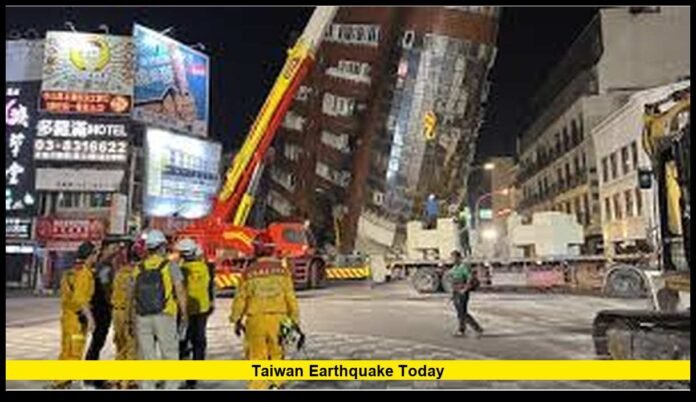

Taiwan earthquake today triggered widespread concern after a powerful offshore seismic event sent strong tremors through northern, eastern, and central parts of the island, including Taipei. The earthquake struck late Saturday, activating emergency alerts, prompting safety inspections, and putting authorities on high alert as monitoring continues for possible aftershocks.
The quake was felt by millions of residents and visitors, many of whom reported sudden shaking, swaying buildings, and brief disruptions to daily routines. Emergency agencies across Taiwan moved quickly to assess the situation, confirm safety conditions, and communicate guidance to the public.
Strong Seismic Event Hits Near Northeastern Taiwan
Late on December 27, 2025, a major earthquake struck in waters off Taiwan’s northeastern coastline, near Yilan County. The quake registered at approximately magnitude 7.0 and originated at a moderate depth beneath the ocean floor. That depth allowed the seismic energy to travel long distances, spreading shaking across a wide geographic area.
Although the epicenter was offshore, the movement was strong enough to be felt well inland. In urban areas, residents described furniture shifting, ceiling lights swinging, and high-rise buildings rocking for several seconds. Emergency alert systems activated almost immediately, warning people to remain calm and move to safe areas if needed.
Widespread Shaking Reaches Taipei and Beyond
The shaking from the earthquake extended far beyond the immediate coastal region. Reports confirmed movement across:
- Taipei City
- New Taipei City
- Yilan County
- Hualien County
- Taoyuan and Hsinchu
- Central Taiwan cities including Taichung
- Parts of southeastern Taiwan
In Taipei, many residents experienced noticeable motion in apartments and office buildings. Some people evacuated briefly to open spaces as a precaution. Public transportation systems implemented standard safety checks, and trains in certain areas slowed or paused until inspections were completed.
Understanding the Strength of the Earthquake
Earthquakes in the magnitude 7.0 range are considered strong and capable of causing serious shaking. While not all earthquakes of this size result in heavy damage, the potential impact depends on several factors, including depth, distance from populated areas, and building design.
In this case, the quake’s moderate depth helped limit surface destruction in some regions but increased the area where shaking was felt. This explains why residents far from the epicenter, including those in the capital, experienced clear movement.
Seismic experts emphasized that such quakes demand close monitoring, even when immediate damage appears limited.
Emergency Response and Official Actions
Following taiwan earthquake today, national and local authorities initiated coordinated emergency procedures. These actions focused on public safety, infrastructure inspections, and clear communication with residents.
Key response steps included:
- Rapid deployment of inspection teams
- Structural checks of bridges, tunnels, and buildings
- Monitoring of power, water, and communication systems
- Coordination with hospitals and emergency services
- Ongoing public advisories about aftershocks
Officials stressed that assessments take time and urged residents to remain cautious, especially when entering older buildings or areas that may have sustained hidden damage.
Aftershocks Remain a Possibility
Seismologists warned that additional tremors could follow the main earthquake. Aftershocks are common after large seismic events and can occur minutes, hours, or even days later.
Taiwan has experienced heightened seismic activity in recent days, including another strong earthquake earlier in the week in the island’s southeastern region. These events reflect ongoing tectonic movement beneath the island.
Residents were advised to:
- Stay alert for official notifications
- Secure heavy furniture and loose items
- Avoid damaged structures
- Keep emergency supplies accessible
Preparedness remains critical during periods of increased seismic activity.
Impact on Infrastructure and Daily Life
In the immediate aftermath of the quake, authorities focused on ensuring that essential services remained operational. Inspections covered:
- Railways and metro systems
- Highways and coastal roads
- Power stations and transmission lines
- Telecommunications networks
- Schools, hospitals, and public buildings
While some minor service disruptions were reported, large-scale outages or failures were not confirmed as of the latest update. Officials emphasized that even when systems appear functional, precautionary inspections are necessary to confirm long-term safety.
Daily life in many areas resumed cautiously as inspections progressed.
Taiwan’s Earthquake Reality
Taiwan’s location makes earthquakes a frequent reality. The island sits near the boundary of major tectonic plates, where constant geological pressure builds and releases energy through seismic events.
Over decades, Taiwan has developed advanced earthquake preparedness strategies, including:
- Strict building codes
- Seismic-resistant engineering
- Early warning alert systems
- Public education programs
- Regular emergency drills
These measures have significantly reduced casualties and improved response times during major earthquakes, even as seismic activity remains unavoidable.
Lessons From Past Earthquakes
Historical earthquakes in Taiwan have shaped modern safety standards. Past disasters caused widespread damage and loss of life, leading to reforms in construction, emergency planning, and disaster response.
Today’s infrastructure is better equipped to withstand shaking, particularly in newer buildings designed to flex rather than collapse. However, older structures remain a concern and are closely inspected following strong earthquakes.
The latest quake once again highlights the importance of continuous investment in resilience and preparedness.
Human Experiences During the Quake
Across Taiwan, personal accounts painted a vivid picture of the event:
- Office workers described feeling desks move beneath them
- Families reported rushing to doorways or open spaces
- Night-time residents were awakened by shaking and alert tones
- Visitors experienced their first major earthquake on the island
Despite the intensity, many noted how quickly alerts arrived and how orderly the response appeared, reflecting years of public education and preparedness efforts.
Scientific Perspective on the Event
Seismologists explained that earthquakes like this one result from the ongoing interaction between tectonic plates beneath Taiwan. Stress accumulates over time and is released suddenly, producing seismic waves that travel through the crust.
Moderately deep earthquakes often spread shaking across wide regions. While they may reduce extreme surface damage, they still pose risks and require careful monitoring.
Experts continue to analyze data from this quake to better understand local fault behavior and future risk patterns.
Ongoing Monitoring and Safety Measures
Government agencies remain on standby as monitoring continues around the clock following the latest earthquake. Seismic instruments across Taiwan are actively tracking aftershocks, ground movement, and changes along nearby fault zones to identify any signs of renewed activity. Emergency services, including fire departments, medical teams, and disaster response units, remain fully prepared to respond quickly if conditions change or additional tremors occur.
Officials have also increased coordination with local governments to ensure timely inspections of residential buildings, schools, hospitals, and transportation networks. Updated safety advisories are being issued as new information becomes available, helping residents make informed decisions. Authorities continue to urge the public to remain calm, rely on official updates, secure loose items indoors, and avoid sharing unverified reports, emphasizing that clear and accurate communication is essential during evolving natural events.
What This Means for U.S. Readers
For U.S. audiences, taiwan earthquake today highlights how a region with frequent seismic activity applies preparedness, early warning systems, and strict building standards during a major natural event. Taiwan’s rapid alerts, coordinated inspections, and public compliance demonstrate how planning and infrastructure investment can reduce confusion and limit risk, even during a strong earthquake felt across large population centers.
The event also serves as a practical reminder for communities in earthquake-prone areas of the United States—such as California, Alaska, Washington, and Oregon—about the importance of emergency readiness, resilient construction, and clear public communication. Recent updates indicate that Taiwanese authorities remain in active monitoring mode, reinforcing how sustained vigilance matters even after the strongest shaking subsides.
For U.S. travelers currently in Taiwan, officials continue to advise close attention to local instructions, especially regarding aftershocks. Travelers should confirm the safety status of hotels, transit systems, and planned activities, allow extra time for transportation, and avoid entering buildings that show visible signs of damage while inspections continue.
Current Situation at a Glance
A strong offshore earthquake struck near northeastern Taiwan, sending noticeable tremors across large parts of the island and reminding residents of the region’s ongoing seismic activity. Shaking was felt in major population centers, including Taipei, where residents reported swaying buildings and brief disruptions to normal routines.
Emergency alerts were issued immediately through national warning systems, allowing people to take quick safety measures. Government agencies and local authorities moved swiftly to begin inspections of critical infrastructure such as roads, bridges, rail networks, power lines, and public buildings. These inspections are still ongoing to ensure long-term safety and prevent secondary risks.
Seismologists have cautioned that aftershocks remain possible in the coming hours and days, urging the public to stay alert and follow official guidance. As of the latest update, no confirmed reports of large-scale devastation or widespread casualties have been released. Authorities continue to provide timely updates as inspections conclude and seismic activity is closely monitored across the island.
Did you feel the Taiwan earthquake today or experience its effects? Share your experience below and stay connected as new updates emerge.