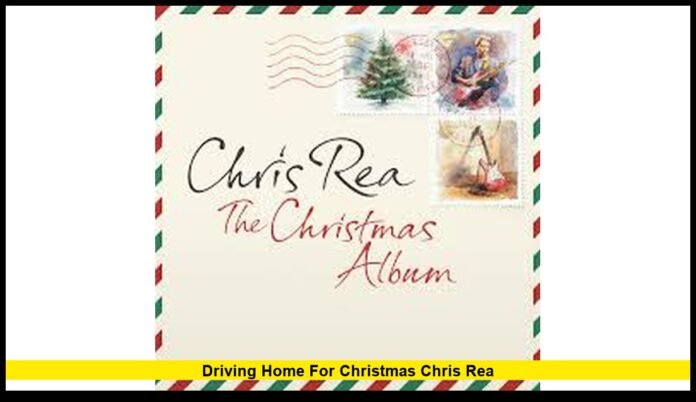

Driving home for Christmas Chris Rea remains one of the most emotionally resonant holiday songs ever recorded, continuing to define the feeling of seasonal travel for millions of listeners in the United States and around the world. As of this holiday season, the song carries renewed significance following the confirmed passing of its creator, Chris Rea, whose music shaped decades of winter memories rooted in reflection, anticipation, and the simple desire to return home.
More than a seasonal hit, the song has grown into a cultural marker. Each year, its return signals the start of long drives, late-night highways, and the quiet moments that happen before family reunions begin.
A Song Built on Real Experience
What sets Driving Home for Christmas apart from many holiday tracks is its realism. The song does not describe decorations, gifts, or celebrations. Instead, it focuses on the journey itself.
Chris Rea wrote the song after experiencing the slow, frustrating, and oddly comforting reality of holiday travel. Watching traffic crawl forward, seeing headlights stretch across winter roads, and feeling the mix of fatigue and excitement became the foundation of the lyrics.
That grounded perspective is why listeners continue to relate to it. The song feels lived-in rather than staged.
From Modest Release to Seasonal Essential
The song was first released in the mid-1980s with little fanfare. It was not positioned as a major holiday anthem at the time, nor did it dominate charts upon arrival.
Its rise happened gradually.
Radio stations began playing it each December. Listeners requested it. Over time, it returned year after year, eventually becoming inseparable from the holiday season itself.
By the early 2000s, the song had transformed into a seasonal standard through repetition and emotional connection rather than marketing strategy.
Why the Song Feels Timeless
Many holiday songs rely heavily on trends or production styles of their era. Driving Home for Christmas avoids that trap.
The arrangement is restrained. The tempo is steady. The vocals are understated. Nothing about the song feels rushed or exaggerated.
Because it focuses on a universal experience rather than a specific time period, it continues to feel current decades after its release. Long drives, traffic delays, and the hope of getting home are constants that never change.
Holiday Travel Through an American Lens
In the United States, Christmas travel is deeply ingrained in family life. Millions of Americans spend hours behind the wheel every December, crossing state lines and weather systems to reach loved ones.
That reality makes the song especially meaningful for U.S. listeners.
The imagery of slow traffic, dark winter roads, and tired drivers mirrors the American holiday commute. Whether it is a cross-country drive or a late-night return from work, the emotional rhythm of the song aligns closely with real holiday routines.
Streaming Platforms and Renewed Discovery
The streaming era has given the song new life. Each December, Driving Home for Christmas experiences a sharp increase in plays across major platforms.
Younger listeners often discover it for the first time through curated holiday playlists. Older listeners return to it as part of long-standing traditions.
This cross-generational appeal has helped the song remain relevant well into the modern digital music landscape.
Chris Rea’s Musical Identity
Chris Rea was known for a voice that carried texture and honesty. His sound blended rock, blues, and soul influences into a style that felt personal rather than polished.
Over the course of his career, he released more than two dozen studio albums. While he enjoyed success with many tracks, Driving Home for Christmas stands apart because of how deeply it connected with listeners on an emotional level.
The song reflects his strength as a storyteller. Instead of dramatizing events, he allowed small observations to carry meaning.
Health Challenges and Creative Determination
Throughout his life, Chris Rea faced serious health challenges that would have ended many careers. Despite major surgeries and long-term complications, he continued to create music and remain connected to his audience.
These experiences added depth to his songwriting. Themes of endurance, patience, and quiet resilience became more pronounced in his later work.
That same sense of perseverance can be felt in Driving Home for Christmas, where movement is slow but purposeful, and arrival is inevitable.
The Emotional Core of the Song
At its heart, the song captures a transitional moment. It exists between work and rest, distance and closeness.
That emotional space is powerful.
Listeners are not yet home, but they are no longer consumed by daily routines. The road becomes a place of reflection, and the destination carries emotional weight.
Few holiday songs explore this in-between moment so effectively.
Why Listeners Return Every Year
The annual return of Driving Home for Christmas is not driven by novelty. It is driven by familiarity.
Hearing the opening notes often triggers memories of past drives, family conversations, and quiet moments behind the wheel. The song becomes a soundtrack to personal history rather than just another seasonal track.
That emotional association strengthens over time, making each listen feel both new and familiar.
Cultural Presence Beyond Music
The song’s influence extends beyond audio platforms. It has appeared in seasonal advertising, television programming, and public holiday spaces.
These appearances introduce it to new audiences while reinforcing its association with winter travel and year-end reflection.
Its continued visibility ensures that it remains part of the collective holiday experience.
A Song That Resists Overexposure
Despite its popularity, Driving Home for Christmas has avoided the fatigue that affects many seasonal songs.
This is largely due to its subtlety. It does not demand attention or rely on repeated hooks. Instead, it invites listeners in gently.
That restraint allows it to be played repeatedly without losing its emotional impact.
Chris Rea’s Passing and Renewed Reflection
The confirmed death of Chris Rea in December 2025 has led many listeners to revisit his work with fresh perspective.
For many, Driving Home for Christmas now feels like more than a seasonal track. It feels like a personal message left behind — one that speaks to continuity, memory, and the importance of returning home.
The timing of his passing has deepened the song’s emotional resonance during this holiday season.
Why the Song Still Matters Today
In an era of fast-moving trends and constant digital noise, the song’s calm pace feels increasingly valuable.
It encourages listeners to slow down, reflect, and acknowledge the journey rather than rushing toward the destination.
That message remains relevant not only during the holidays but throughout life.
A Legacy Rooted in Simplicity
Chris Rea’s legacy is not defined by spectacle. It is defined by sincerity.
Driving Home for Christmas represents that legacy perfectly. It does not rely on grand statements or dramatic flourishes. It tells a simple story well.
That simplicity is why it continues to endure.
The Song’s Place in Modern Holiday Traditions
For many families, the song has become a ritual. It plays during long drives, late-night returns, and quiet moments before celebration begins, often shared through car speakers, holiday playlists, and digital music platforms. In 2025, this tradition has grown even stronger as listeners revisit the track not just for its seasonal mood but also as a way of honoring the late Chris Rea, whose passing this year added emotional resonance to the experience of hearing the song. What was once a cozy addition to holiday travel now serves as a moment of reflection and connection for families everywhere, from parents who remember the song from their own childhoods to young adults discovering it for the first time. These personal traditions give the song meaning beyond charts or numbers. They turn it into a shared experience passed down through generations, marking the transition from ordinary moments into something more profound and deeply felt during the festive season. Whether played on a snowy interstate or softly in the background at a family gathering, the song now carries a sense of continuity — a thread that links past holidays with the present and future.
Looking Ahead
While Chris Rea is no longer here, his music remains a living presence in everyday life, especially during the holiday season. Each December, his voice returns to accompany millions of journeys, filling cars and quiet highways with a sense of anticipation and calm. In the wake of his passing just days before Christmas, the song has taken on added emotional weight, prompting listeners to reflect not only on their own travels but also on the legacy of an artist whose work became woven into seasonal tradition. New generations continue to discover the track through modern playlists, while longtime fans return to it as a familiar companion on winter drives. Even as technology reshapes how people travel and listen to music, the emotional core of the song remains untouched. The road may change. The cars may change. The world may change. But the feeling of driving home for Christmas remains the same.
Driving home for Christmas Chris Rea continues to mean different things to different people — comfort, patience, memory, and hope. As another holiday season unfolds, listeners are invited to reflect, reconnect, and share what this song has meant on their own journeys.