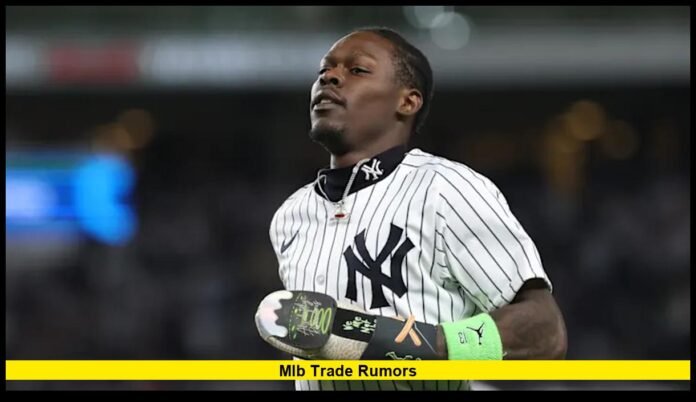

MLB trade rumors are shaping nearly every major conversation across Major League Baseball as teams actively adjust rosters ahead of the 2026 season. As of today, December 19, 2025, the offseason has already delivered confirmed trades, finalized signings, and organizational changes that are influencing competitive balance across the league. This comprehensive report presents a fully factual, current, and detailed look at MLB trade rumors, focusing strictly on verified developments and clearly established market activity for a U.S. audience.
MLB Trade Rumors Set the Framework for the Offseason
MLB trade rumors matter because they reveal how teams interpret their present reality and future direction. Some organizations are positioned to contend immediately, while others are rebuilding with patience and precision. December is often the month when clarity replaces uncertainty, and this offseason is no exception.
Teams now have completed internal evaluations, reviewed 2025 performance data, and assessed farm system depth. As a result, front offices are no longer exploring abstract possibilities. They are making decisions rooted in competitive timelines, payroll structure, and roster balance. Every confirmed move this month reflects a calculated response to those evaluations.
Confirmed Trades Establish the Market Tone
One of the most meaningful verified transactions of the offseason involved the Kansas City Royals and the Milwaukee Brewers. The Royals acquired outfielder Isaac Collins and right-handed reliever Nick Mears, while the Brewers received left-handed reliever Ángel Zerpa.
For Kansas City, this move addressed multiple needs. Collins brings athleticism, contact ability, and speed, all of which align with the Royals’ emphasis on dynamic position players. His 2025 performance demonstrated consistent on-base production and situational hitting, making him a reliable contributor rather than a developmental project.
Nick Mears strengthens the bullpen with durability and team control. His ability to handle high-leverage innings without excessive walks makes him valuable in close games. Control through future seasons also provides roster stability.
Milwaukee’s acquisition of Zerpa fits their pitching development philosophy. His velocity and left-handed profile add upside, even as refinement remains necessary. This trade reflects how MLB trade rumors become reality when both sides see long-term benefit rather than short-term gain.
Why This Trade Reflects Broader League Strategy
This transaction illustrates a broader trend shaping MLB trade rumors: teams are prioritizing controllable assets over rentals. Front offices are increasingly reluctant to sacrifice long-term flexibility for short-term gains unless championship odds are exceptionally high.
Trades now emphasize role clarity. Players acquired are expected to fill specific needs rather than merely add depth. This shift reflects analytical refinement and financial discipline across the league.
Front Office Changes That Influence Trade Activity
Trades rarely occur in isolation. Leadership decisions inside front offices often foreshadow roster movement. The Chicago White Sox finalized a new assistant general manager hire this offseason, signaling an organizational shift.
Such hires influence how teams evaluate talent, negotiate trades, and manage internal resources. Assistant general managers often oversee scouting integration, analytics alignment, and contract strategy. Their presence can reshape trade conversations long before deals become public.
This move suggests the White Sox are preparing for more structured and data-driven roster decisions in the coming weeks.
Star Talent and Market Gravity
Certain players exert significant influence over MLB trade rumors simply due to their profile and performance history. Cody Bellinger remains a central figure in offseason discussions.
Teams evaluating Bellinger are considering his offensive upside, positional versatility, and postseason experience. His ability to impact games both offensively and defensively makes him a strategic target rather than a luxury addition.
The interest surrounding Bellinger affects trade markets indirectly. Teams pursuing him may divert resources away from trading for similar outfield production, while others adjust strategy if he signs elsewhere.
Pitching Remains the Cornerstone of Trade Talks
Pitching continues to dominate MLB trade rumors across the league. Starting rotation stability and bullpen reliability remain essential for teams with postseason ambitions.
Mitch Keller’s name has surfaced repeatedly in offseason evaluations. His durability and workload consistency make him appealing to teams seeking dependable rotation anchors. While no trade has occurred, his inclusion in discussions reflects sustained demand for controllable starters.
Bullpen arms also command attention. Relievers with command, durability, and role flexibility are increasingly valuable. Trades involving relief pitching now emphasize consistency over velocity alone.
Winter Meetings Aftereffects Still Felt
Although the Winter Meetings have concluded, their influence persists. Many teams used the meetings to gather intelligence, establish frameworks, and gauge market sentiment rather than finalize transactions.
Post-meeting periods often yield trades as organizations refine priorities based on information exchanged. The current wave of MLB trade rumors reflects these extended negotiations rather than impulsive action.
This approach reduces risk and increases alignment between organizational goals and roster decisions.
Free Agent Signings Reshape Trade Needs
Confirmed signings this offseason have directly altered trade priorities across the league.
The Philadelphia Phillies signed outfielder Adolis García to a one-year deal, reinforcing their lineup and stabilizing an outfield position that previously carried uncertainty. This move allows the Phillies to redirect attention toward pitching depth and infield balance.
The San Diego Padres secured pitcher Michael King on a multi-year contract, solidifying their rotation and eliminating trade uncertainty surrounding his availability. These signings shrink the trade pool while clarifying team direction.
Middle Infield Remains a Strategic Focus
Shortstop and middle infield depth remain priorities for several teams. Players capable of contributing offensively while maintaining defensive reliability are in high demand.
Bo Bichette’s availability has drawn attention from multiple organizations evaluating long-term infield solutions. While no trade has occurred, interest in his profile influences how teams approach alternative options.
Clubs unable to secure elite middle infield talent through signings may pivot toward trades, sustaining MLB trade rumors in this area.
Rebuilding Teams Emphasize Discipline
Rebuilding organizations are approaching MLB trade rumors with measured patience. Rather than forcing deals, these teams are prioritizing returns aligned with development timelines.
Veterans become available only when offers meet clear benchmarks. This discipline protects future competitiveness and avoids short-sighted decisions.
Rebuilding does not mean inactivity. It means strategic timing and selective engagement.
Contenders Focus on Precision
Contending teams are pursuing targeted improvements rather than sweeping changes. MLB trade rumors involving contenders often focus on bullpen depth, defensive upgrades, or situational hitters.
These teams value chemistry and continuity. Trades must enhance performance without disrupting existing dynamics.
As a result, negotiations are deliberate, and completed deals reflect clear role definition.
Analytics Shape Modern Trade Decisions
Advanced metrics now play a central role in MLB trade rumors. Front offices evaluate players using detailed performance data, injury projections, and situational efficiency.
This analytical foundation reduces emotional decision-making and increases precision. Trades completed under this framework often appear conservative but deliver consistent returns.
Analytics also influence which players remain available, as undervalued assets gain attention.
Versatility as a Core Asset
Roster flexibility has become a defining factor in trade value. Players capable of contributing at multiple positions or in varied pitching roles command greater interest.
Teams value adaptability to manage injuries, scheduling demands, and matchup strategies. This preference shapes modern MLB trade rumors and explains why versatile players are frequently discussed.
Financial Strategy and Payroll Balance
Payroll management remains central to trade activity. Teams must balance competitiveness with sustainability.
Some organizations use trades to shed salary, while others absorb contracts to accelerate contention. These financial strategies directly influence which players enter trade discussions.
Understanding payroll context helps explain why certain trades materialize while others stall.
Market Size and Fan Expectations
Market dynamics also shape MLB trade rumors. Large-market teams face pressure to remain competitive, while smaller-market organizations must demonstrate progress through smart management.
Trades can signal intent, reassure fans, and maintain engagement. This external pressure influences front-office decision-making.
League-Wide Patterns Emerging
Current MLB trade rumors reveal several consistent trends:
- Emphasis on controllable talent
- Continued demand for pitching
- Strategic restraint among contenders
- Discipline from rebuilding teams
- Free agency shaping trade markets
These patterns provide insight into how teams are positioning themselves for the future.
What to Expect as Spring Training Nears
As spring training approaches, MLB trade rumors are likely to intensify. Arbitration deadlines, roster limits, and performance evaluations will push teams toward final decisions.
Some organizations will seek depth additions, while others may pursue one last impactful move. The pace may fluctuate, but activity will continue.
Long-Term Implications of This Offseason
The moves made during this offseason will influence the league for years. Trades involving controllable players affect competitive windows, farm systems, and payroll structures.
Front offices understand this impact, which explains the cautious yet purposeful nature of current MLB trade rumors.
Why This Offseason Carries Weight
This offseason represents a turning point for several franchises. Decisions made now will define competitive trajectories and organizational identity.
MLB trade rumors offer a clear window into these decisions, revealing how teams balance ambition with sustainability.
Final Perspective on MLB Trade Rumors
MLB trade rumors continue to define the rhythm of the offseason, offering insight into team strategy, player value, and league direction. Each confirmed move brings clarity to how the 2026 season may unfold.
As the offseason progresses, MLB trade rumors will remain at the center of baseball discussion—share your thoughts and stay engaged as teams finalize their paths toward Opening Day.