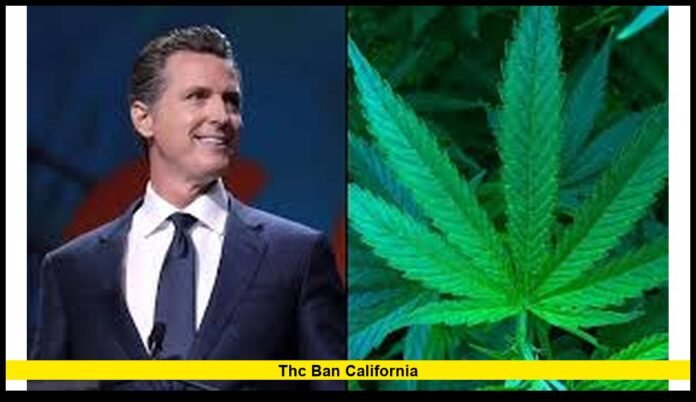

In an important move regarding the THC ban California has instituted, the state has officially adopted permanent legislation targeting intoxicating hemp-derived THC products — marking a major regulatory shift as of November 2025.
Why California Pursued the THC Ban
California regulators determined that many hemp-derived products containing psychoactive cannabinoids — including THC and THCA — were being sold in convenience stores, gas stations, and online without the safeguards required for regulated cannabis dispensaries.
The main reasons behind this move include:
- Health concerns about minors accessing unregulated THC products.
- Unfair competition between licensed cannabis businesses and hemp THC sellers operating under looser restrictions.
- Lack of oversight, testing, and proper labeling of hemp-derived THC items.
By tightening regulations, the state aims to ensure all intoxicating THC products meet the same standards for safety, labeling, and sales restrictions that apply to cannabis.
What the New Law Does
Under the new legislation, California implemented Senate Bill 378, a measure that makes the temporary emergency regulations from 2024 permanent.
Here’s what the law includes:
- Ban on direct-to-consumer online sales of intoxicating hemp products that are not registered under the state’s cannabis licensing system.
- Prohibition of retail food, beverage, and dietary hemp products that contain any detectable THC.
- Age restriction of 21 and older for purchasing intoxicating hemp products.
- Stricter packaging and labeling requirements to prevent child access and misleading marketing.
This law essentially aligns hemp-derived THC with cannabis products, closing loopholes that previously allowed unlicensed businesses to sell intoxicating THC without meeting cannabis industry standards.
Quick Breakdown of Key Provisions
| Regulation | Key Provision |
|---|---|
| Sale of hemp THC products | Only through licensed cannabis channels; unregistered online sales banned. |
| THC content rules | Any detectable THC in hemp foods or beverages is prohibited. |
| Packaging & labeling | Must meet cannabis-level safety and labeling standards. |
| Age requirement | Sales limited to individuals aged 21 and older. |
| Testing standards | Products must undergo laboratory testing for potency and safety. |
Current Status and Enforcement
As of October 2025, California reported a near-total compliance rate among retailers following the emergency bans that preceded the permanent law.
The state’s Department of Cannabis Control (DCC) and Department of Public Health (CDPH) are leading enforcement efforts. Their main priorities include:
- Ensuring intoxicating hemp products are removed from unlicensed markets.
- Monitoring retail and online channels for violations.
- Educating businesses about compliance with the new regulatory framework.
The new law gives regulators expanded authority to issue fines, revoke licenses, and pursue enforcement against non-compliant businesses.
Impact on Businesses and Consumers
For Businesses
The new THC restrictions represent a major change for California’s hemp industry:
- Hemp producers and retailers must either transition into the licensed cannabis market or discontinue products that contain detectable THC.
- Licensed cannabis businesses benefit from reduced competition, as the law creates a more level regulatory field.
- Small hemp companies may face financial strain from compliance costs or lost product lines.
For Consumers
For consumers, the change primarily affects where and how THC products can be legally purchased:
- Hemp-derived THC products will no longer be available at gas stations, grocery stores, or convenience shops.
- All intoxicating THC items must be purchased from licensed cannabis dispensaries.
- Consumers gain more protection from mislabeling or unsafe formulations, as testing and packaging standards now apply to all THC products equally.
How This Fits into the National Landscape
California’s action follows a broader national trend to regulate hemp-derived THC, especially products such as Delta-8 and Delta-10. Several U.S. states have enacted similar restrictions, citing public safety and market fairness concerns.
At the federal level, lawmakers are also considering new language in agricultural and spending bills that could redefine “hemp” to exclude products with intoxicating levels of THC, further tightening the rules across the country.
California’s decision may serve as a blueprint for other states that seek to align hemp-derived and cannabis-derived THC regulation under one legal framework.
What to Watch Next
The implementation of California’s THC restrictions will continue into 2026, with additional rulemaking expected from state agencies. Key developments to follow include:
- Detailed product rules outlining compliance for edibles, beverages, vapes, and topicals.
- Legal challenges from hemp industry groups that argue the ban restricts interstate commerce.
- Potential federal action that could either reinforce or conflict with California’s rules.
- Consumer education campaigns to clarify which products remain legal under the new framework.
California’s move signals the state’s determination to unify its cannabis and hemp markets under one system — prioritizing safety, consistency, and accountability across all THC products.
The Bottom Line
The THC ban California has enacted marks one of the most comprehensive regulatory crackdowns on unlicensed hemp-derived THC products in the nation. The law closes loopholes, strengthens safety measures, and reshapes the state’s approach to hemp and cannabis oversight.
Businesses, consumers, and regulators alike will now navigate a new landscape — one designed to ensure that any product containing THC, regardless of its source, meets the same rigorous standards.
Stay informed as California continues refining how THC products are regulated and enforced in the months ahead.