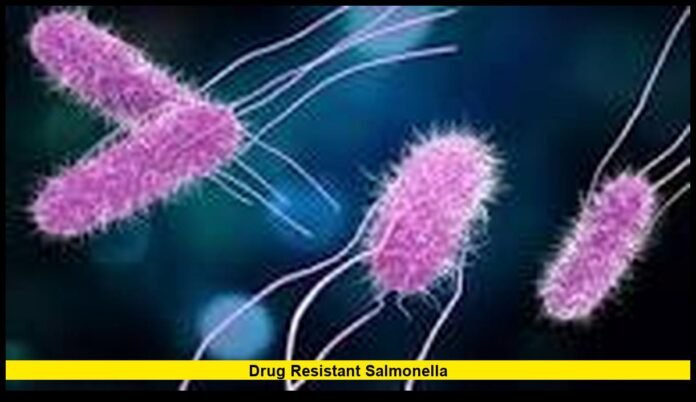

Drug resistant salmonella infections are rising across the United States in 2026, with health officials confirming ongoing outbreaks, stronger bacterial strains, and growing concerns about treatment limitations.
Across multiple states, public health teams are tracking clusters tied to contaminated food and animal exposure. Recent investigations show that some infections involve strains resistant to several commonly used antibiotics, making recovery slower and increasing the risk of complications. This trend reflects a broader shift in how foodborne illnesses behave in a modern, interconnected food system.
Understanding Salmonella and Why Resistance Matters
Salmonella is one of the leading causes of foodborne illness in the U.S. It spreads through contaminated food, water, or contact with infected animals.
Most infections cause:
- Diarrhea
- Fever
- Stomach cramps
- Nausea
For many people, symptoms last a few days and resolve without treatment. However, resistant strains change the situation. When antibiotics no longer work effectively, infections can last longer and become more severe.
Drug resistance occurs when bacteria adapt to survive medications designed to kill them. Over time, these resistant strains spread, especially through the food supply.
Current Situation in the United States
The U.S. is seeing a steady increase in resistant salmonella cases. Health departments across several states have reported outbreaks linked to common food items and animal contact.
Recent confirmed patterns include:
- Multistate outbreaks tied to backyard poultry
- Cases linked to contaminated supplements and imported products
- Ongoing detection of resistant strains in retail meat testing
- Increased use of lab sequencing to identify infection sources
These developments show that resistant infections are not isolated incidents. They are becoming part of a larger, persistent public health issue.
Why Drug Resistant Salmonella Is Spreading
Several factors contribute to the spread of resistant salmonella strains.
1. Antibiotic Use in Agriculture
Antibiotics are sometimes used in livestock to treat or prevent disease. This practice can create conditions where bacteria develop resistance.
2. Human Antibiotic Overuse
Frequent or unnecessary antibiotic use in healthcare can also accelerate resistance.
3. Global Food Supply Chains
Food products often travel long distances. This allows resistant bacteria to spread across regions and countries.
4. Environmental Exposure
Bacteria can spread through water, soil, and animal waste, increasing the risk of contamination.
These factors combine to create a cycle where resistant bacteria continue to evolve and spread.
Recent Outbreak Trends and Sources
Outbreak investigations in 2025 and 2026 reveal consistent patterns in how infections spread.
Common sources include:
- Raw or undercooked poultry
- Ground beef
- Fresh fruits and vegetables
- Unregulated supplements
- Contact with backyard chickens and ducks
Backyard poultry has become a notable source. Many households now raise chickens, increasing direct exposure to salmonella.
Key outbreak characteristics:
- Cases spread across multiple states
- Patients often report similar food or animal exposure
- Resistant strains complicate treatment decisions
These patterns highlight how everyday activities can increase risk.
Symptoms and Health Risks
Symptoms of salmonella infection usually appear within 6 to 48 hours after exposure.
Typical symptoms:
- Diarrhea that may be severe
- Fever and chills
- Abdominal pain
- Vomiting
In most cases, symptoms improve within a week. However, resistant infections can lead to:
- Longer illness duration
- Dehydration requiring medical care
- Bloodstream infections
- Hospitalization
Certain groups face higher risks:
- Children under five
- Adults over 65
- Individuals with weakened immune systems
Challenges in Treatment
Treating resistant salmonella infections is more complex than treating standard cases.
Doctors often face:
- Limited antibiotic options
- Delays in identifying resistance
- Need for specialized testing
- Increased monitoring of patients
In some cases, antibiotics may not be effective at all. Doctors must rely on supportive care, such as hydration and symptom management, while waiting for lab results.
When antibiotics are needed, healthcare providers choose medications based on lab testing that identifies which drugs still work.
Impact on the U.S. Healthcare System
Drug resistant infections are placing additional pressure on healthcare systems.
Key impacts include:
- Longer hospital stays
- Higher treatment costs
- Increased demand for diagnostic testing
- Greater need for infection control measures
Hospitals must also prevent the spread of resistant bacteria within healthcare settings, adding another layer of complexity.
Food Safety and Consumer Risk
Food remains the primary source of salmonella exposure.
Contamination can occur at any stage:
- During farming
- In processing facilities
- During transportation
- In home kitchens
Even a small lapse in food handling can lead to infection.
High-risk foods:
- Undercooked chicken and turkey
- Raw eggs
- Unwashed produce
- Unpasteurized dairy products
Consumers play a critical role in preventing infection by following proper food safety practices.
How to Protect Yourself and Your Family
Preventing salmonella infection starts with simple, consistent habits.
Essential steps:
- Cook meat and poultry to safe temperatures
- Wash hands after handling raw food
- Clean kitchen surfaces regularly
- Separate raw and cooked foods
- Refrigerate perishable items promptly
Additional precautions:
- Avoid consuming raw or unpasteurized products
- Wash fruits and vegetables thoroughly
- Be cautious when handling backyard poultry
These actions significantly reduce the risk of exposure.
Role of Public Health Systems
Public health agencies across the U.S. are working to track and control resistant infections.
Key strategies include:
- Advanced genomic sequencing to identify strains
- Nationwide surveillance systems to detect outbreaks
- Rapid response teams for investigation
- Collaboration between federal, state, and local agencies
These systems allow officials to identify outbreaks earlier and respond more effectively.
Advances in Detection Technology
Technology is playing a major role in improving response efforts.
Genomic sequencing allows scientists to:
- Identify specific bacterial strains
- Track how infections spread
- Link cases across different states
- Detect resistance patterns
This approach has significantly improved outbreak detection compared to traditional methods.
Agriculture and Industry Response
The food industry is under increasing pressure to reduce antibiotic use and improve safety standards.
Current efforts include:
- Limiting antibiotic use in livestock
- Improving sanitation in processing facilities
- Strengthening supply chain monitoring
- Increasing transparency in food sourcing
Some producers are adopting antibiotic-free practices, although widespread adoption remains a challenge.
Global Influence on U.S. Cases
The U.S. food system is closely connected to global markets.
Imported foods can introduce resistant bacteria into the country. Similarly, travelers can bring infections across borders.
This global connection means that addressing resistance requires international cooperation.
Research and Future Outlook
Scientists are working on new ways to combat resistant bacteria.
Key areas of research:
- Development of new antibiotics
- Alternative therapies such as bacteriophages
- Faster diagnostic tools
- Improved food safety technologies
While these innovations show promise, prevention remains the most effective approach today.
Public Awareness and Behavioral Changes
Awareness plays a major role in reducing infection rates.
More Americans are:
- Paying attention to food safety practices
- Understanding the risks of antibiotic misuse
- Taking precautions when handling animals
However, experts stress that consistent behavior is essential. Occasional precautions are not enough to prevent infection.
Key Takeaways for 2026
Drug resistant salmonella continues to emerge as a serious and growing concern in the United States, with confirmed multistate outbreaks linked to poultry, contaminated products, and direct animal contact. Recent developments show that resistant strains are appearing more frequently in both human infections and food supply testing.
Foodborne outbreaks are still occurring across a wide range of sources, including meat, produce, and supplements. These outbreaks often spread quickly across state lines, making them harder to contain and increasing the number of people affected.
Antibiotic resistance is reducing the effectiveness of standard treatments. Some infections now require alternative medications or extended care, which can lead to longer recovery times and increased healthcare challenges.
Prevention through proper food handling, hygiene, and safe cooking practices remains the most reliable way to reduce risk. Everyday habits continue to play a major role in protecting individuals and families.
Public health systems are improving their ability to detect and respond to outbreaks through advanced technology and coordinated tracking efforts. Faster identification of sources is helping limit the spread, although many cases still go unreported.
Conclusion
Drug resistant salmonella is reshaping how the United States approaches food safety and infectious disease control. What was once a routine illness is becoming more complex, requiring stronger prevention efforts, better awareness, and coordinated action across multiple sectors.
As cases continue to rise, individuals, healthcare providers, and the food industry all play a role in reducing risk and slowing the spread of resistant bacteria.
What steps are you taking to stay safe from foodborne illness? Share your thoughts and stay engaged with the latest updates.