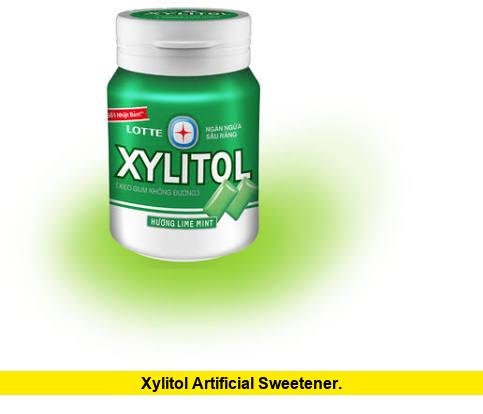

Xylitol artificial sweetener use remains widespread in the United States, while newer cardiovascular research continues to raise questions about its potential effects on blood clotting and heart health. The U.S. Food and Drug Administration still recognizes xylitol as a permitted food ingredient, and its latest public food-ingredient database continues to list xylitol as a nutritive sweetener.
The issue has attracted renewed attention because researchers have reported an association between higher circulating xylitol levels and cardiovascular events. A 2024 study published in the European Heart Journal found that elevated blood levels were associated with a higher three-year risk of major adverse cardiovascular events. The research also found increased platelet reactivity after xylitol consumption.
However, that finding does not establish that eating xylitol causes heart attacks or strokes. Researchers have called for additional studies, and the FDA has not announced a general ban or removal of xylitol from the U.S. food supply.
What Is Xylitol?
Xylitol is a carbohydrate known chemically as a sugar alcohol, or polyol. Despite the common description of xylitol as an artificial sweetener, it belongs to a different category from high-intensity sweeteners such as aspartame, sucralose and saccharin.
The FDA specifically classifies xylitol among sugar alcohols that can be used as sugar substitutes. Other examples include sorbitol, mannitol, maltitol, lactitol and erythritol.
Xylitol has a sweetness level similar to sugar while generally providing fewer calories than conventional sugar. It also does not produce the same rapid blood-glucose response associated with ordinary sucrose.
The ingredient appears in products designed to provide sweetness without conventional table sugar. Common examples include sugar-free chewing gum, candies, mints and certain baked products.
Xylitol is also widely used in oral-care products. Toothpaste, mouthwash and other dental products can contain it because the ingredient does not promote tooth decay in the same way fermentable sugars do. FDA regulations allow certain dental-caries-related claims involving sugar alcohols, including xylitol, when the applicable requirements are met.
Is Xylitol an Artificial Sweetener?
The answer depends on how the term is being used.
Consumers and some medical or news reports may call xylitol an artificial sweetener because it is manufactured and used to replace sugar. Scientific and regulatory classifications are more precise.
The FDA places xylitol in the sugar alcohol category rather than among its six FDA-approved high-intensity sweeteners. The agency identifies saccharin, aspartame, acesulfame potassium, sucralose, neotame and advantame as high-intensity sweeteners approved as food additives.
That distinction matters when evaluating safety reports. A study describing xylitol as an artificial or low-calorie sweetener does not mean xylitol has the same chemical structure or biological behavior as aspartame or sucralose.
The FDA’s current information continues to identify xylitol as a sugar alcohol and permitted sugar substitute. Its food-substance database lists xylitol under the name XYLITOL, with use as a nutritive sweetener and humectant under the applicable food regulations.
Why Xylitol Is Receiving New Attention
The major development surrounding xylitol involves cardiovascular research.
In 2024, researchers from Cleveland Clinic and collaborating institutions published a study examining whether circulating xylitol levels were associated with cardiovascular disease. The research appeared in the European Heart Journal.
Researchers initially analyzed fasting blood samples from a discovery group of 1,157 people. They then examined a separate validation group of 2,149 participants using more specific laboratory testing.
Together, the research involved more than 3,300 people undergoing cardiovascular evaluations. The investigators found that people in the highest third of circulating xylitol concentrations had a higher observed risk of major adverse cardiovascular events during approximately three years of follow-up.
The adjusted hazard ratio was 1.57, with a 95% confidence interval of 1.12 to 2.21.
Major adverse cardiovascular events include serious outcomes such as heart attack and stroke.
The study went beyond observational blood measurements. Researchers also performed laboratory experiments involving human platelets and blood, along with animal experiments.
Those experiments suggested that xylitol could increase platelet responsiveness and thrombosis potential. Researchers also conducted a small intervention involving 10 healthy volunteers who consumed a xylitol-sweetened drink. Multiple measures of platelet responsiveness increased following consumption.
What the Study Does—and Does Not—Prove
The cardiovascular findings are important, but they require careful interpretation.
An association between a substance in blood and a later health outcome does not automatically prove that the substance caused the outcome. People with higher circulating xylitol levels may have other characteristics that affect cardiovascular risk.
The researchers themselves stated that further studies are needed to evaluate the long-term cardiovascular safety of xylitol.
The laboratory and animal findings strengthen the biological question because they suggest a possible mechanism involving platelets and clot formation. Still, those results do not establish that ordinary long-term dietary consumption of xylitol causes heart attacks or strokes in humans.
This distinction is particularly important for consumers. Headlines can sometimes turn an observational association into a definitive statement about cause and effect.
The evidence available as of September 3, 2026 supports continued scientific investigation, not a conclusion that xylitol has been proven to cause cardiovascular disease.
What Happened After the 2024 Research?
The cardiovascular question continued to receive scientific attention in 2025.
A 2025 European Heart Journal publication titled “Xylitol exposure and cardiovascular risk” examined the issue further. The publication reflects continuing scientific discussion about the relationship between xylitol exposure and cardiovascular outcomes.
Another 2025 European Heart Journal article by members of the original research team discussed xylitol and cardiovascular risks. The publication confirms that cardiovascular safety remains an active area of investigation rather than a settled question.
At the same time, a separate 2025 commentary challenged aspects of the cardiovascular-risk interpretation and highlighted xylitol’s established oral-health applications. That debate illustrates why the evidence should not be presented as a simple declaration that xylitol is either completely safe or definitively dangerous.
A 2025 review published in Cardiovascular Research also described the emerging evidence involving xylitol and erythritol. It noted that pilot studies suggested temporary changes in platelet aggregation while emphasizing the need to understand the broader cardiovascular implications.
What Does the FDA Currently Say About Xylitol?
The FDA’s current public information does not identify xylitol as a prohibited sweetener.
The agency lists xylitol among sugar alcohols permitted for use as sugar substitutes. Its food-substance database, updated July 28, 2026, continues to list xylitol and references 21 CFR 172.395.
The FDA also explains that sugar alcohols such as xylitol are used in sugar-free foods and chewing gum. These ingredients are slightly lower in calories than sugar and do not promote tooth decay or cause a sudden increase in blood glucose.
This regulatory status is important because the emergence of cardiovascular research has not resulted in an FDA announcement that xylitol is banned from food.
The FDA has also emphasized that it continues to monitor scientific evidence involving sweeteners. Its broader sweetener guidance explains that the agency reviews new scientific information as it becomes available.
Xylitol and Oral Health
One reason xylitol remains widely used is its relationship with dental products.
Unlike ordinary fermentable sugars, xylitol does not promote tooth decay. FDA labeling regulations specifically recognize certain sugar alcohols, including xylitol, in qualified dental-caries claims.
That makes xylitol particularly useful in sugar-free chewing gum, mints, toothpaste and mouthwash.
The oral-health evidence has been discussed extensively in scientific literature. A 2019 review evaluated research involving xylitol’s oral and systemic effects and described its established role in dental-caries prevention while also noting that systemic benefits require careful interpretation.
Importantly, the newer cardiovascular debate does not erase the ingredient’s established dental applications.
Instead, it raises a separate question about whether high dietary exposure may have cardiovascular implications that deserve additional study.
Digestive Effects of Xylitol
Another established issue with xylitol involves digestion.
Because the body does not completely absorb xylitol in the small intestine, larger amounts can draw water into the intestinal tract. This can result in gastrointestinal symptoms.
Reported effects can include:
- Bloating
- Gas
- Abdominal discomfort
- Loose stools
- Diarrhea
A scientific review published in International Journal of Dentistry concluded that excessive consumption of sugar alcohols such as xylitol can produce osmotic diarrhea. The response varies between individuals and depends partly on the amount consumed.
The National Institute of Diabetes and Digestive and Kidney Diseases also identifies xylitol among sweeteners ending in “-ol” that can contribute to gas symptoms in some people.
Therefore, consumers who experience digestive discomfort after eating large amounts of sugar-free products may want to examine ingredient labels for xylitol and other sugar alcohols.
Where U.S. Consumers May Encounter Xylitol
Xylitol can appear in a variety of consumer products.
Common categories include:
| Product category | Why xylitol may be used |
|---|---|
| Sugar-free chewing gum | Sweetness and oral-health applications |
| Sugar-free mints | Sugar replacement |
| Sugar-free candy | Sweetness with fewer calories than sugar |
| Certain baked foods | Sugar substitution |
| Toothpaste | Sweetening and oral-care formulation |
| Mouthwash | Sweetening and formulation |
| Some dietary products | Sugar replacement |
The FDA specifically notes that xylitol can be used in sugar-free candies, cookies and chewing gum.
Consumers can identify xylitol by checking the ingredient list on packaged foods and other products.
Should Consumers Avoid Xylitol?
Current evidence does not support a blanket statement that every consumer should completely avoid xylitol.
The FDA continues to recognize permitted uses of the ingredient, while researchers continue to investigate its cardiovascular effects.
The most responsible interpretation is that xylitol’s long-term cardiovascular safety remains an open scientific question.
People who regularly consume large quantities of xylitol-containing foods may reasonably want to pay attention to emerging research. Individuals with existing cardiovascular concerns can discuss their overall dietary choices with a qualified healthcare professional.
This is especially relevant because the 2024 cardiovascular study involved people with elevated circulating xylitol levels and found an association with cardiovascular events. It did not establish a specific daily dietary amount that causes heart attacks or strokes.
There is currently no scientifically established basis for claiming that a particular amount of xylitol will cause a cardiovascular event in an individual consumer.
The Latest Xylitol Safety Picture in 2026
As of September 3, 2026, several facts are clear.
First, xylitol remains a permitted sugar alcohol used in foods and other consumer products in the United States. The FDA’s July 2026 database continues to list it under the relevant food regulations.
Second, researchers have identified a potential cardiovascular concern. The 2024 European Heart Journal study linked higher circulating xylitol levels with increased cardiovascular-event risk and reported increased platelet responsiveness in experimental work.
Third, subsequent publications in 2025 show that the scientific community continues to debate and investigate the cardiovascular implications of xylitol exposure.
Fourth, xylitol’s established uses in oral care and sugar-free products remain in place.
Finally, the evidence does not justify describing xylitol as a proven cause of heart attack or stroke. More human research is needed to determine whether consuming xylitol-containing foods over the long term actually increases cardiovascular risk.
For U.S. consumers, the most accurate takeaway is straightforward: xylitol is still permitted, but new cardiovascular research has made its safety an important subject for continued scientific evaluation.
As research continues to clarify the long-term effects of xylitol, share your thoughts below and stay informed about the latest verified developments.