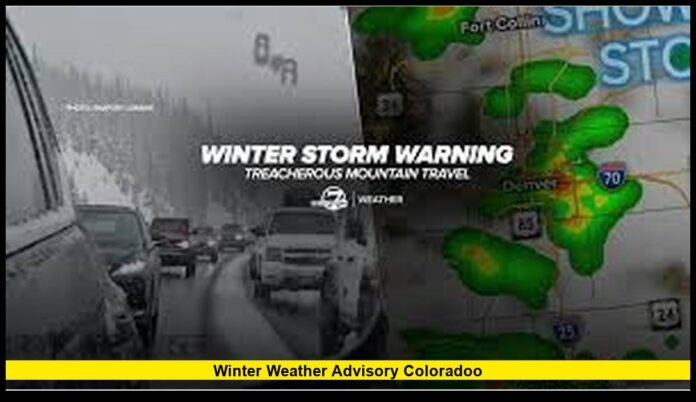

A winter weather advisory Colorado residents are currently facing signals a stretch of snowy weather, icy roadways, and challenging travel conditions across several parts of the state as winter systems continue to move through the Rocky Mountains. Drivers, mountain communities, and transportation officials remain on alert as snow accumulation and freezing temperatures affect highways and high-elevation towns.
Snowfall in the mountains and foothills has already created slippery roads in many locations. Cold air moving across the region has kept temperatures low enough for snow to accumulate quickly, especially in higher elevations. Transportation crews are monitoring road conditions and working to keep major highways open as storms move across the state.
Weather advisories like this often affect travel routes through mountain passes and can slow traffic across some of Colorado’s most heavily used corridors. Residents and visitors traveling to ski destinations or commuting through mountain areas are being urged to remain cautious and plan ahead.
Current Snowfall and Weather Conditions
Winter weather advisories in Colorado typically occur when moderate snowfall, blowing snow, or icy roads create potentially hazardous travel conditions. While these advisories do not indicate the most severe winter storms, they still require attention from residents and drivers.
Recent conditions across the state have included:
- Periods of steady snowfall in mountain regions
- Freezing overnight temperatures that allow ice to form on roads
- Wind gusts that create drifting snow in open areas
- Reduced visibility along exposed highways
Even small snowfall totals can produce major impacts when temperatures remain below freezing. Snow often compacts quickly on highways, creating slick surfaces that require slower driving speeds.
Many mountain towns experience snow earlier and more frequently than lower-elevation communities. Elevation differences across Colorado often lead to dramatic weather changes within short distances.
Mountain Areas See the Greatest Impact
Colorado’s mountainous terrain makes the state particularly vulnerable to winter weather disruptions. High elevations allow storm systems to produce more snowfall as moist air rises over the mountains and cools.
Areas that commonly experience the heaviest impacts include:
High-Elevation Counties
- Summit County
- Grand County
- Routt County
- Eagle County
Major Mountain Passes
- Vail Pass
- Rabbit Ears Pass
- Berthoud Pass
- Loveland Pass
These regions frequently receive snow during winter weather advisories. Mountain passes can become difficult to navigate as snow accumulates and winds blow snow across roadways.
Drivers traveling through these areas often face rapidly changing weather conditions. Clear skies in lower elevations can quickly turn into heavy snowfall once vehicles reach higher terrain.
Front Range and Foothill Communities
While mountain areas usually see the highest snowfall totals, foothill communities along the Front Range also experience winter weather impacts during advisory periods.
Cities and towns that can be affected include:
- Boulder
- Golden
- Evergreen
- Estes Park
- Fort Collins foothills
Snowfall in these areas can vary widely. Some locations receive only light accumulation, while others see several inches depending on storm movement and elevation.
Cold temperatures during the evening and overnight hours increase the likelihood of icy roads. Bridges, overpasses, and shaded areas often freeze first, making them particularly dangerous for drivers.
Travel Conditions Across Colorado
Transportation remains one of the biggest concerns when winter advisories are issued. Mountain highways carry thousands of drivers daily, including commuters, freight trucks, and tourists heading to ski resorts.
During snowy conditions, road hazards can include:
- Snow-covered lanes
- Ice patches beneath packed snow
- Blowing snow that limits visibility
- Sudden traffic slowdowns near mountain passes
Interstate highways such as I-70 often experience heavy congestion when snow begins to fall. Even moderate snowfall can lead to delays, especially during peak travel periods.
Drivers traveling through mountain corridors should prepare for longer travel times and unpredictable road conditions.
Colorado’s Snow Removal Efforts
State and local transportation departments maintain large snow-removal operations during winter months. Crews work around the clock during active storms to keep highways as safe as possible.
Snow removal strategies include:
- Plowing major highways repeatedly during storms
- Applying de-icing materials to prevent ice buildup
- Monitoring road temperatures and snowfall rates
- Coordinating with law enforcement for traffic control
Plow drivers often focus first on major routes such as interstates and heavily traveled mountain passes. Secondary roads and neighborhood streets may take longer to clear after snowfall begins.
Despite these efforts, drivers should expect some snow accumulation on roads during active winter storms.
Why Snowstorms Develop Quickly in Colorado
Colorado’s geography plays a major role in the state’s winter weather patterns. The Rocky Mountains create ideal conditions for snow development as storms move across the western United States.
Several factors contribute to winter weather advisories:
High Elevation
Many Colorado communities sit well above 5,000 feet. Higher elevations naturally experience colder temperatures and more snowfall.
Orographic Lift
When moist air encounters the Rocky Mountains, it rises and cools. This process allows clouds to release moisture in the form of snow.
Cold Arctic Air
Winter storms often combine with cold air masses moving south from Canada. These cold temperatures allow snow to accumulate instead of melting.
Because of these conditions, Colorado can experience snowfall even when nearby states see only rain.
Impact on Mountain Tourism
Winter weather can influence travel plans for visitors heading to Colorado’s ski resorts and recreation areas. Heavy snow often improves skiing and snowboarding conditions but may also make travel more challenging.
Popular resort areas affected by winter advisories include:
- Breckenridge
- Vail
- Keystone
- Steamboat Springs
- Winter Park
Tourists traveling to these destinations should monitor road conditions carefully. Mountain highways can become crowded during snowfall as visitors travel to resorts at the same time.
Planning travel during daylight hours and allowing extra time for the trip can help reduce stress during winter storms.
Important Safety Tips for Drivers
Driving during snowy weather requires extra caution. Many accidents during winter storms occur because drivers underestimate how slippery roads can become.
Safety experts recommend the following precautions:
Prepare Your Vehicle
- Install winter tires when possible
- Keep windshield washer fluid filled
- Carry an emergency kit with blankets and water
Drive Carefully
- Reduce speed on snow-covered roads
- Increase following distance from other vehicles
- Avoid sudden braking or sharp turns
Stay Informed
- Check weather updates before traveling
- Review road condition reports for mountain passes
- Watch for changing conditions during longer trips
Drivers unfamiliar with mountain roads should take extra care. Steep grades and sharp curves can become dangerous when snow or ice covers the pavement.
Daily Life During Winter Weather Advisories
Winter advisories can affect everyday routines across Colorado. Snowfall may slow commutes and lead to adjustments in schedules for schools and businesses.
Common disruptions include:
- Longer commute times during morning travel
- Delayed school openings in snowy areas
- Increased snow removal activity in neighborhoods
- Temporary closures on certain mountain routes
Many Colorado residents are accustomed to winter weather and often prepare ahead of time. Snow shovels, ice melt, and winter tires are common tools used throughout the season.
Communities also rely on local plow crews and road maintenance teams to keep streets safe after storms pass.
Preparing for Future Winter Storms
Winter weather remains a normal part of life in Colorado. Storm systems can move through the state frequently during late winter and early spring, bringing additional snowfall to mountain regions.
Residents often prepare for storms by:
- Monitoring weather forecasts regularly
- Keeping emergency supplies at home
- Maintaining vehicles for winter driving conditions
- Allowing extra time for travel when snow is expected
Staying informed and prepared helps reduce disruptions during winter weather events.
Later in the season, another winter weather advisory Colorado alert may appear as storm systems continue crossing the Rocky Mountain region. These advisories serve as an important reminder for residents and travelers to remain cautious whenever snow and ice are in the forecast.
Have you encountered snowy roads or travel delays during the latest winter weather in Colorado? Share your experience in the comments and keep checking back for the newest weather updates.