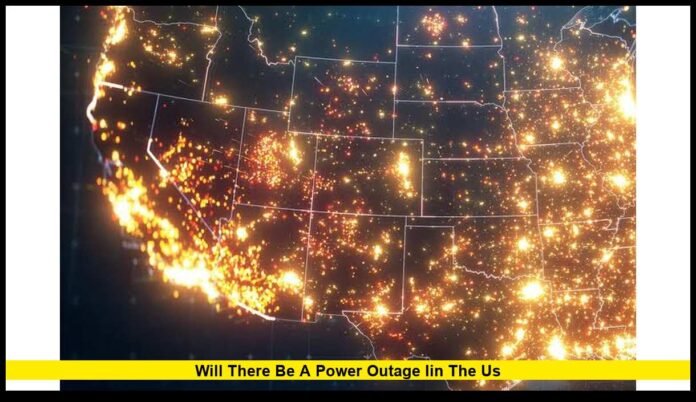

Concerns about electricity shortages, extreme winter weather, and the reliability of the national power system are drawing attention across the country. As the United States prepares for the 2026–2027 winter season, many households and businesses are asking: will there be a power outage in the US, and should Americans prepare for possible blackouts in the coming weeks?
The latest developments indicate that there is no confirmed nationwide blackout scheduled for November 2026. However, electricity reliability remains an important concern as regional power networks prepare for colder temperatures, increasing electricity consumption, and potential disruptions caused by severe weather. Federal energy officials and grid operators are continuing to evaluate available generation capacity and identify vulnerabilities that could affect electricity supplies.
A recent November update from the North American Electric Reliability Corporation (NERC) provides encouraging information about improvements in winter preparedness. Nevertheless, officials have emphasized that additional work is necessary to protect the electricity system against extreme cold and unexpected operating conditions.
The situation is particularly important for regions that experience prolonged freezing temperatures, heavy snowfall, ice storms, and increased heating demand. While these conditions do not automatically lead to blackouts, they can place additional pressure on local electricity infrastructure.
Here is the latest outlook on America’s electricity grid, potential winter power interruptions, and what households should know.
Key Points Summary
╔════════════════════════════════════════════════════════════════════╗
║ – No confirmed nationwide blackout has been announced for the United States. ║
║ – NERC reported on November 5, 2026, that 99% of reported total net winter capacity could operate under extreme cold-weather conditions. ║
║ – Electricity providers continue preparing for the 2026–2027 winter season. ║
║ – Increasing electricity demand, infrastructure limitations, and extreme weather remain important reliability concerns. ║
║ – PJM expects sufficient resources to meet its forecast winter demand, although reserve margins are becoming tighter. ║
║ – Localized outages and emergency electricity restrictions remain possible during severe weather or unexpected grid emergencies. ║
╚════════════════════════════════════════════════════════════════════╝
Is the US Facing a Nationwide Power Outage in November 2026?
There is currently no confirmed announcement indicating that the entire United States will experience a planned electricity shutdown.
The country’s electricity infrastructure is divided into interconnected regional systems. These networks operate independently in many respects while coordinating electricity transfers and maintaining reliability across larger geographic areas.
A problem affecting one utility or regional grid does not necessarily spread to other parts of the country.
For example, a winter storm could damage transmission lines in one state, leaving thousands of customers without electricity while neighboring states continue receiving normal service.
A nationwide blackout would be an exceptionally serious event involving widespread failures across major electricity networks. It should not be confused with temporary regional outages or controlled electricity interruptions.
The current situation calls for awareness and preparation rather than panic.
Latest NERC Electricity Grid Update: November 2026
One of the most important recent developments involves improvements in the electricity industry’s preparation for extreme winter temperatures.
On November 5, 2026, NERC released findings showing that 99% of total net winter capacity reported the ability to operate under extreme cold-weather temperatures during the 2025–2026 winter period.
The findings reflect progress in equipment protection, generator weatherization, operational planning, and coordination between electricity industry participants.
Approximately 94% of the reported capacity operated at temperatures below 32 degrees Fahrenheit, requiring cold-weather protection measures.
However, the report also identified remaining concerns.
Generating units representing approximately 4.3% of capacity are implementing corrective action plans to address reliability problems. Around 60% of those plans are expected to be completed before the 2026–2027 winter season.
Some generating facilities also reported limitations that prevented them from implementing certain corrective measures.
This distinction matters because improved generator preparedness does not eliminate every possible source of electricity disruption.
Transmission equipment, distribution networks, fuel availability, and local weather conditions can also determine whether electricity reaches customers.
NERC has therefore continued emphasizing the importance of winter preparation and ongoing monitoring.
Why Could Power Outages Become a Concern During Winter 2026–2027?
Several factors could affect electricity reliability as colder weather spreads across the United States.
1. Extreme Cold and Winter Storms
Severe winter weather remains one of the biggest threats to electricity infrastructure.
Snowstorms, freezing rain, ice accumulation, and powerful winds can damage overhead power lines and electrical equipment.
When temperatures fall significantly, households also increase their use of electric heating systems, creating additional demand.
If several weather-related problems happen simultaneously, electricity providers may face difficulties maintaining normal operations.
Extended freezing conditions can also affect fuel supplies and the performance of certain generating facilities.
2. Increasing Electricity Consumption
Electricity demand is changing as American households, businesses, and industrial facilities consume more power.
Data centers, artificial intelligence infrastructure, manufacturing operations, electric vehicles, and new residential developments are contributing to changing demand patterns.
The challenge is ensuring that electricity generation and transmission infrastructure grow quickly enough to support these requirements.
Grid operators must consider both average electricity consumption and periods when demand reaches unusually high levels.
A system that can comfortably meet ordinary demand may face greater pressure during a prolonged cold spell.
3. Aging Infrastructure and Equipment Failures
The American electricity grid includes millions of components, from generating facilities and transformers to substations and distribution lines.
Some infrastructure requires significant modernization and maintenance.
Unexpected equipment failures can interrupt electricity service even when enough generation capacity is available.
Utilities continue investing in infrastructure improvements, but major construction and replacement projects require time.
This makes equipment maintenance and emergency planning important parts of electricity reliability.
4. Fuel Supply and Generator Availability
Electricity generation depends on several energy sources, including natural gas, coal, nuclear power, hydroelectricity, wind, and solar.
During extreme weather, some generating resources may become unavailable or experience operating restrictions.
Natural gas supply interruptions can also affect facilities that depend on gas-fired generation.
Grid operators must consider the availability of generating resources rather than relying only on the total amount of electricity a system could theoretically produce.
PJM Winter Electricity Outlook: What the Latest Numbers Show
Another important development concerns PJM Interconnection, which coordinates electricity across 13 states and Washington, D.C.
In its November 5 winter outlook, PJM indicated that it expects sufficient resources to meet projected electricity demand during the 2026–2027 winter season under expected conditions.
The organization forecasts approximately 182,426 megawatts of operational capacity against peak winter demand of approximately 147,500 megawatts.
It also expects average electricity exports of approximately 3,200 megawatts to neighboring systems.
The projected demand could establish a new winter record for the region if reached.
Although the available capacity provides an important reliability buffer, PJM has warned that strong generator performance and continued preparation will be essential.
Transmission limitations could create additional challenges in particular areas, including parts of Maryland, Virginia, and Washington, D.C.
This demonstrates why electricity reliability must be evaluated regionally.
Even when a grid operator expects sufficient generation, local transmission constraints can affect the delivery of electricity to specific communities.
Which US Regions Could Face Greater Winter Power Risks?
There is no confirmed list of states that will experience blackouts during the 2026–2027 winter season.
Nevertheless, weather patterns and regional infrastructure conditions can make certain areas more vulnerable to electricity interruptions.
Northeast
The Northeast regularly experiences snowstorms, freezing rain, and strong winter winds.
These conditions can damage electrical distribution systems and increase heating demand.
New York, Massachusetts, Pennsylvania, and surrounding states may experience localized outages during particularly severe weather events.
Midwest
The Midwest can experience prolonged periods of freezing temperatures, heavy snowfall, and powerful winter storms.
Electricity consumption can rise substantially when households and businesses require additional heating.
Regional power operators must maintain sufficient generating resources and prepare for unexpected equipment problems.
Southern States
Southern states can also experience winter electricity disruptions.
Although many communities have milder winters, unusually cold weather can increase electricity demand and create infrastructure challenges.
Texas remains an important example because its electricity system has experienced significant pressure during previous extreme winter events.
Western United States
The Western region faces a different combination of risks, including mountain snowstorms, high winds, wildfires, and infrastructure damage.
California, Oregon, Washington, and other western states may experience localized interruptions when weather conditions affect transmission and distribution equipment.
The actual level of risk depends on local forecasts and utility operating conditions.
Could Rolling Blackouts Happen Across America?
Rolling blackouts are controlled electricity interruptions used when grid operators cannot maintain the required balance between electricity supply and demand.
They are generally considered an emergency measure.
When electricity demand approaches available supply, operators can request voluntary reductions in consumption from large customers and implement other emergency procedures.
If those measures are insufficient, controlled interruptions may become necessary to protect the broader electricity network.
However, there is no confirmed nationwide schedule for rolling blackouts in November 2026.
It is also important to understand that a rolling blackout is different from an ordinary outage.
A weather-related outage generally happens because equipment has been damaged or electricity service has been interrupted unexpectedly.
Rolling blackouts are deliberately controlled and may affect different locations at different times.
What Is the Federal Government Doing to Protect Electricity Supplies?
Federal agencies and regional electricity organizations continue working to strengthen grid reliability.
The Federal Energy Regulatory Commission oversees important aspects of interstate electricity transmission and wholesale electricity markets.
NERC develops and monitors mandatory reliability standards designed to support the dependable operation of the bulk power system.
The Department of Energy also plays an important role in energy infrastructure planning and emergency response.
In October 2026, the Department of Energy issued an emergency order concerning the Mid-Atlantic electricity system.
The action followed concerns about elevated demand, planned generator maintenance, and transmission outages.
It authorized additional generation resources, including backup power, to be used when necessary to help maintain electricity reliability.
The order applied from October 13 through October 16, 2026.
This was a regional emergency measure rather than a nationwide blackout warning.
Such actions illustrate how federal authorities and grid operators can respond when specific electricity networks face challenging operating conditions.
How Americans Can Prepare for Potential Electricity Interruptions
Although there is no confirmed nationwide blackout, preparing for temporary outages is a sensible precaution.
Households should consider maintaining emergency supplies that can support basic needs if electricity becomes unavailable.
Important preparations include:
- Drinking water: Keep enough clean drinking water for household members.
- Emergency food: Store nonperishable food that does not require electricity for preparation.
- Flashlights: Keep working flashlights and extra batteries available.
- Portable chargers: Fully charge power banks and backup charging devices.
- Emergency radio: Maintain a battery-powered or hand-crank radio for important announcements.
- First-aid supplies: Keep essential medical supplies in an accessible location.
- Warm clothing: Prepare blankets, coats, and appropriate winter clothing.
- Backup power: Consider an appropriately installed backup power system if household needs justify it.
- Important documents: Keep essential documents protected and accessible.
Households that depend on electricity-powered medical equipment should establish an emergency backup plan before severe weather arrives.
People using generators must operate them outdoors, away from windows, doors, and ventilation openings. Generators should never be operated inside homes or garages because carbon monoxide can cause fatal poisoning.
How to Check for Power Outages in Your Area
Residents should rely on local electricity providers for the most accurate information about current outages and restoration estimates.
Most major utility companies offer outage reporting services and interactive maps.
These tools can show the number of affected customers, locations experiencing interruptions, and estimated restoration information when available.
Weather alerts are equally important.
The National Weather Service provides warnings about winter storms, freezing rain, strong winds, and other hazardous conditions.
Local emergency management agencies may also provide information about shelters, road closures, emergency services, and community assistance.
During an emergency, residents should avoid approaching damaged electrical equipment or fallen power lines.
Any downed power line should be treated as energized and dangerous.
What Should Americans Expect During the Rest of 2026?
Electricity reliability will remain an important issue as the country moves deeper into the winter season.
Grid operators will continue evaluating electricity demand, available generation, fuel supplies, and transmission limitations.
The latest cold-weather preparedness findings indicate that the industry has made measurable progress since previous major winter emergencies.
However, the possibility of regional electricity disruptions remains.
Americans should also watch for additional winter reliability assessments and announcements from electricity providers as more information becomes available.
The most useful indicators will include updated generation forecasts, extreme weather warnings, regional operating alerts, and changes in expected electricity consumption.
It is important not to interpret every electricity warning as evidence of an approaching nationwide blackout.
A regional reliability alert may indicate that operators are preparing for challenging conditions, not that electricity service is certain to fail.
Final Outlook: Is a Major US Power Outage Expected?
The United States is not currently facing a confirmed nationwide electricity shutdown for November 2026.
Recent industry findings show meaningful improvements in cold-weather generator preparedness, while regional grid operators are preparing for higher winter electricity demand.
PJM’s latest outlook also indicates that sufficient resources are expected to be available to meet its projected winter demand under normal planning assumptions.
Nevertheless, the electricity system continues to face challenges involving extreme weather, increasing consumption, aging infrastructure, and regional transmission limitations.
The possibility of localized outages cannot be ruled out, particularly during severe winter storms or unexpected electricity emergencies.
For American households, the best approach is to remain informed, prepare basic emergency supplies, and follow official instructions from local utilities and emergency management agencies.
The latest outlook does not point to an announced nationwide blackout, but winter preparedness remains essential as electricity providers work to keep communities powered throughout the season.
Stay connected for the latest US power grid developments, and share your thoughts in the comments about electricity reliability and winter blackout concerns.