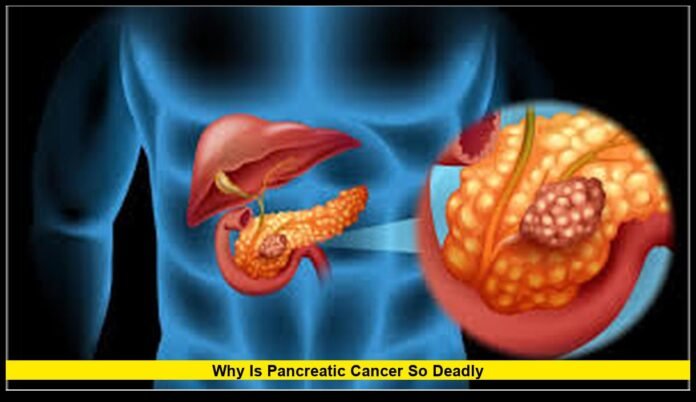

Why is pancreatic cancer so deadly? It is a question that continues to concern patients, families, doctors, and researchers across the United States. Despite major advances in cancer treatment over the past several decades, pancreatic cancer remains one of the deadliest forms of the disease. The cancer often develops without obvious symptoms, spreads quickly, and is frequently diagnosed after it has reached an advanced stage. While researchers have made important progress in treatment and early detection efforts, pancreatic cancer continues to present unique challenges that affect survival rates.
As awareness grows and medical science advances, understanding what makes pancreatic cancer so dangerous has become more important than ever. Millions of Americans are learning about the disease through public health campaigns, patient advocacy efforts, and growing research focused on improving outcomes.
What Is Pancreatic Cancer?
Pancreatic cancer begins in the tissues of the pancreas, an organ located behind the stomach. The pancreas plays a critical role in digestion and blood sugar regulation. It produces enzymes that help break down food and hormones such as insulin that control glucose levels in the body.
Most pancreatic cancers start in the ducts that carry digestive enzymes out of the pancreas. This form is known as pancreatic ductal adenocarcinoma and accounts for the majority of diagnosed cases.
Because the pancreas is positioned deep inside the abdomen, tumors can grow for a long time before becoming noticeable. This hidden location is one reason why pancreatic cancer remains difficult to detect during its earliest stages.
Why Pancreatic Cancer Has Such a High Death Rate
Many cancers become more treatable when doctors identify them early. Pancreatic cancer often follows a different path.
Several factors combine to make this disease especially deadly:
- Late diagnosis
- Limited early symptoms
- Rapid spread to other organs
- Complex surgical treatment
- Resistance to some therapies
- Lack of routine screening tests
Each of these challenges contributes to lower survival rates compared with many other common cancers.
The Problem of Silent Growth
One of the most dangerous characteristics of pancreatic cancer is its ability to grow quietly.
Many patients feel completely healthy during the early stages of the disease. Small tumors rarely cause pain or noticeable symptoms. As a result, cancer cells may continue growing and spreading before a patient realizes something is wrong.
Unlike skin cancer, breast cancer, or certain other cancers that can be detected through physical examination or routine screening, pancreatic tumors often remain hidden.
By the time symptoms appear, the cancer may already be advanced.
This silent progression plays a major role in answering the question: why is pancreatic cancer so deadly?
Symptoms Often Appear Too Late
When symptoms eventually develop, they can resemble common health problems.
Patients may experience:
- Upper abdominal pain
- Back pain
- Unexplained weight loss
- Loss of appetite
- Nausea
- Fatigue
- Digestive discomfort
- Jaundice
- Changes in stool color
- New-onset diabetes
Because these symptoms overlap with many other conditions, patients may not immediately seek specialized testing.
Doctors often evaluate more common illnesses first, which can delay diagnosis further.
The result is that many patients receive their diagnosis only after the disease has already spread beyond the pancreas.
No Standard Screening Test Exists
Another major challenge is the absence of a routine screening program for average-risk adults.
Americans can receive screening tests for several common cancers, including:
- Breast cancer
- Colon cancer
- Cervical cancer
- Prostate cancer
These screening methods help detect disease before symptoms develop.
Pancreatic cancer does not currently have an equivalent test suitable for widespread use among the general population.
Researchers continue exploring blood tests, genetic markers, advanced imaging techniques, and artificial intelligence tools designed to improve early detection. However, no standard nationwide screening method currently exists for individuals without elevated risk factors.
This gap significantly impacts survival outcomes.
The Cancer Spreads Quickly
Pancreatic cancer is known for its aggressive behavior.
Cancer cells can invade nearby tissues and blood vessels relatively early in the disease process. Once the cancer enters the bloodstream or lymphatic system, it may spread to other parts of the body.
Common sites of spread include:
- Liver
- Lungs
- Lymph nodes
- Abdominal lining
When the disease reaches these areas, treatment becomes far more difficult.
Metastatic pancreatic cancer often requires systemic therapies rather than surgery alone.
The ability of pancreatic cancer to spread rapidly remains one of the biggest reasons mortality rates remain high.
Read More – Revolution in Pancreatic Cancer Research
Surgery Is Not Always Possible
Surgical removal offers the best opportunity for long-term survival.
Unfortunately, only a minority of patients qualify for surgery at the time of diagnosis.
The pancreas sits close to several major blood vessels and important digestive structures. Tumors frequently involve these critical areas before doctors discover them.
Even highly skilled surgical teams may face challenges when attempting complete tumor removal.
For patients whose cancer has already spread, surgery often cannot provide a cure.
This reality highlights the importance of detecting pancreatic cancer before it advances beyond the pancreas.
Understanding Survival Rates
Survival statistics demonstrate the impact of early detection.
When pancreatic cancer remains confined to the pancreas, outcomes improve significantly.
Patients diagnosed at localized stages have much better survival prospects than those diagnosed after regional or distant spread.
However, only a relatively small percentage of patients receive an early-stage diagnosis.
Many cases are discovered after the disease has already reached nearby lymph nodes or distant organs.
This pattern continues to influence national survival statistics.
Risk Factors That Increase the Chances of Developing Pancreatic Cancer
Researchers have identified several factors that can increase risk.
Smoking
Smoking remains one of the most important risk factors.
Tobacco use exposes the body to harmful chemicals that can damage pancreatic cells over time.
Individuals who smoke face a significantly higher risk compared with non-smokers.
Age
Most pancreatic cancer cases occur in older adults.
Risk increases steadily with age, particularly after age 60.
Family History
Genetics can play an important role.
Individuals with close relatives who have had pancreatic cancer may face elevated risk.
Certain inherited genetic mutations also increase susceptibility.
Obesity
Excess body weight has been linked to higher pancreatic cancer risk.
Maintaining a healthy weight may help reduce the likelihood of developing the disease.
Chronic Pancreatitis
Long-term inflammation of the pancreas can contribute to cancer development in some individuals.
Patients with chronic pancreatitis often require ongoing medical monitoring.
Diabetes
Researchers continue studying the connection between diabetes and pancreatic cancer.
In some cases, diabetes may increase risk. In others, newly diagnosed diabetes may signal the presence of pancreatic cancer.
Why Treatment Has Been So Challenging
Pancreatic cancer has historically resisted many treatments that proved successful against other cancers.
Chemotherapy remains an important tool, but treatment responses vary.
Radiation therapy can help control disease in certain situations but may not eliminate advanced cancer.
Immunotherapy transformed treatment for cancers such as melanoma and some lung cancers. However, pancreatic cancer has proven more resistant to many immunotherapy approaches.
Researchers believe the tumor environment plays a role in protecting pancreatic cancer cells from immune system attacks.
This protective barrier has complicated treatment development for decades.
Recent Advances Are Creating New Hope
Although pancreatic cancer remains difficult to treat, recent years have brought encouraging developments.
Scientists now understand much more about the genetic changes that drive pancreatic tumor growth.
This knowledge has led to the development of targeted therapies designed to attack specific cancer-related mutations.
Researchers continue evaluating:
- KRAS-targeted therapies
- Personalized medicine approaches
- Precision oncology treatments
- Cancer vaccines
- Combination therapy strategies
- Advanced diagnostic technologies
Several clinical trials have produced promising results, giving patients and physicians greater optimism about future treatment options.
The Growing Importance of Genetic Testing
Genetic testing has become an increasingly valuable part of pancreatic cancer care.
Doctors can analyze tumors to identify specific mutations that may respond to targeted treatments.
Testing can also help determine whether inherited genetic factors contributed to cancer development.
This information allows healthcare teams to create more individualized treatment plans.
As precision medicine continues evolving, genetic testing is expected to play an even larger role in patient care.
Can Pancreatic Cancer Be Prevented?
No strategy can eliminate risk entirely, but healthy lifestyle choices may help reduce the likelihood of developing pancreatic cancer.
Recommended steps include:
- Avoid smoking
- Maintain a healthy weight
- Exercise regularly
- Follow a balanced diet
- Manage diabetes carefully
- Limit excessive alcohol consumption
- Attend regular medical checkups
Individuals with strong family histories should discuss risk assessment options with healthcare professionals.
Early awareness can lead to closer monitoring and earlier intervention when necessary.
The Future of Pancreatic Cancer Research
Scientists across the United States continue working to improve prevention, diagnosis, and treatment.
Major research priorities include:
- Earlier detection methods
- Better blood-based diagnostic tests
- More effective targeted therapies
- Improved surgical techniques
- Advanced imaging technology
- Personalized treatment strategies
Many experts believe early detection represents the single greatest opportunity to improve survival rates.
If researchers can consistently identify pancreatic cancer before symptoms appear, patient outcomes could improve dramatically.
Continued investment in research remains essential for achieving that goal.
Why Is Pancreatic Cancer So Deadly? A Closer Look at the Reality
The answer to why is pancreatic cancer so deadly involves a combination of biological, medical, and diagnostic challenges. The disease often develops without warning, spreads rapidly, and lacks a routine screening test capable of identifying tumors in the general population before symptoms begin. Its location deep within the body makes detection difficult, while treatment becomes more complex once cancer reaches nearby blood vessels or distant organs.
Despite these challenges, progress continues. Advances in targeted therapies, precision medicine, genetic testing, and early detection research are creating new opportunities to improve patient outcomes. While pancreatic cancer remains one of the most serious cancer diagnoses in America, ongoing scientific discoveries are helping shape a future where earlier diagnosis and more effective treatment become increasingly possible.
What do you think is the most important breakthrough needed in the fight against pancreatic cancer? Share your thoughts and continue following the latest developments in cancer research.