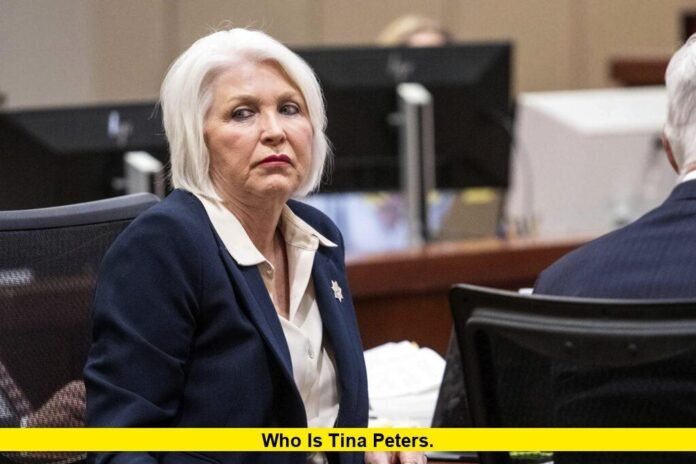

Tina Peters is a former Mesa County Clerk and Recorder in Colorado who gained national attention for her involvement in efforts to examine voting systems following the 2020 presidential election. A Republican and self-described election integrity advocate, Peters served as county clerk from 2019 to 2023. She became the first elected U.S. election official convicted of crimes related to handling election equipment.
Background and Early Career
Born Tina Marie Peters on September 11, 1955, she is currently 70 years old. Before entering politics, Peters worked as a flight attendant, nutritionist (holding a degree in holistic nutrition from Clayton College of Natural Health), and helped manage a construction company. She had no prior experience in election administration when she was elected Mesa County Clerk in 2018.
The 2021 Election Equipment Incident
As clerk, Peters oversaw elections in Mesa County. In 2021, during a court-ordered software update on Dominion Voting Systems machines, she allowed an unauthorized individual—linked to MyPillow CEO Mike Lindell and election fraud claims—to access the secure area. Surveillance cameras were reportedly turned off, and copies of election data and passwords were made and later leaked online.
Investigators found no widespread fraud, but the breach compromised election security and led to charges against Peters for deceiving officials and mishandling systems.
Legal Proceedings and Conviction
Peters was indicted on multiple felony and misdemeanor counts, including attempts to influence a public servant, conspiracy to commit criminal impersonation, official misconduct, and others. In August 2024, a jury convicted her on several charges. She was sentenced in October 2024 to nine years in prison.
The case drew significant attention, with supporters viewing Peters as a whistleblower and critics arguing she undermined public trust in elections. She ran unsuccessfully for Colorado Secretary of State in 2022.
Latest Developments (as of May 2026)
Peters has remained in state prison. A federal judge rejected her request to be released on bond during her appeal process.
In April 2026, the Colorado Court of Appeals upheld her convictions but ordered resentencing, ruling that the original judge improperly considered some of her protected speech when determining the sentence. She awaits a new sentencing hearing while continuing to serve her term.
Her case continues to spark debate about election security, free speech, and accountability for public officials.