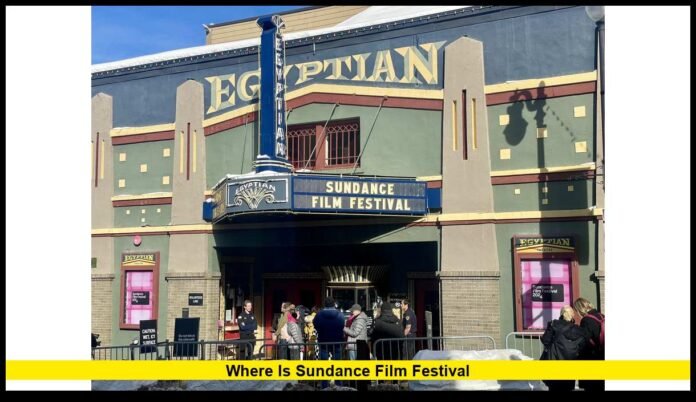

Each winter, movie lovers ask the same question: where is Sundance Film Festival taking place this year? The 2026 edition returns to its iconic home in Park City, Utah, with screenings also held in Salt Lake City and at Sundance Mountain Resort. From January 22 through February 2, 2026, the festival once again brings together independent filmmakers, industry professionals, and audiences from around the world to celebrate creativity in cinema.
Park City, Utah — The Heart of Independent Film
Park City has long been the epicenter of Sundance. Located about 35 miles southeast of Salt Lake City International Airport, this mountain town transforms every January into a bustling center of film premieres, red carpets, and cultural events.
The 2026 festival will feature hundreds of films from across the globe, screened in venues such as the Egyptian Theatre, Eccles Theatre, Redstone Cinemas, and Prospector Square Theatre. The city’s snow-covered Main Street will once again host filmmakers, celebrities, and moviegoers braving the winter chill for one of the most influential film gatherings in the world.
Park City’s intimate size and scenic setting make it ideal for Sundance. The ability to walk between theaters, restaurants, and lounges gives visitors a rare chance to connect directly with filmmakers and actors. The setting encourages conversation and creativity, reinforcing why the festival continues to thrive in Utah year after year.
How Park City Became Home to Sundance
The roots of Sundance trace back to 1978, when the event began as the Utah/US Film Festival in Salt Lake City. Its mission was to promote independent American filmmaking and attract production to Utah. By the mid-1980s, under the guidance of Robert Redford and the Sundance Institute, the festival relocated to Park City, taking on its now-famous name.
Since then, it has become the premier showcase for emerging talent in the film industry. Many acclaimed directors — including Quentin Tarantino, Ava DuVernay, and Ryan Coogler — gained early exposure through Sundance.
While technology and viewing habits have changed dramatically since its inception, the festival’s home base in Park City remains constant. The combination of mountain charm, creative energy, and community focus continues to define Sundance’s unique identity.
2026 Festival Overview
The Sundance Film Festival 2026 continues the hybrid approach introduced in recent years, balancing in-person events with digital screenings. This allows audiences across the United States to experience the festival, even if they cannot travel to Utah.
The festival runs for eleven days, featuring film categories such as:
- U.S. Dramatic Competition
- U.S. Documentary Competition
- World Cinema Dramatic Competition
- World Cinema Documentary Competition
- NEXT, a section focused on innovative storytelling and low-budget filmmaking
- Midnight, highlighting bold and unconventional narratives
Hundreds of short films and special screenings also fill the program, offering a broad spectrum of genres and themes.
The official awards ceremony will take place on February 2, 2026, celebrating achievements in directing, writing, cinematography, and acting across all categories.
The Venues Bringing Sundance to Life
Park City offers a mix of historic theaters and modern venues, creating an immersive viewing experience. The Egyptian Theatre, with its classic marquee and vintage design, remains a centerpiece of the event. The Eccles Theatre hosts many of the high-profile premieres and panels, often attracting celebrities and major distributors scouting for acquisitions.
Additional screenings take place in Salt Lake City, extending access to larger audiences within Utah. The Sundance Mountain Resort, located near Provo Canyon, hosts select screenings and intimate events, honoring the origins of the festival’s name and spirit.
For those attending, transportation is easy to navigate. Park City’s free public shuttle system connects venues, hotels, and Main Street attractions. Most festival-goers choose walking or shuttle travel over driving, as parking is extremely limited during the event.
How to Get to Park City
Traveling to Park City for the Sundance Film Festival is convenient and well-supported, even during the busy January season. The closest major hub is Salt Lake City International Airport (SLC), located approximately 35 miles west of Park City. The airport serves all major U.S. airlines, with frequent direct flights from cities such as Los Angeles, New York, Chicago, Dallas, San Francisco, Denver, Atlanta, and Seattle. Daily routes increase in frequency during festival week to accommodate travelers heading to Utah’s ski resorts and the film festival.
After landing, festival-goers have several reliable transportation options to reach Park City. The drive from Salt Lake City to Park City typically takes 40 to 50 minutes, depending on weather and traffic. The route follows Interstate 80 East, a well-maintained mountain highway that offers scenic views of the Wasatch Range. During the winter, snow is common, but road crews work continuously to keep conditions safe for drivers.
Airport Transportation Options
- Airport Shuttles:
Numerous shuttle services operate directly between the airport and Park City hotels. These shared or private shuttles are a popular choice because they’re convenient, comfortable, and save visitors the hassle of driving in snowy conditions. Services like Canyon Transportation, Snow Country Limousine, and All Resort Express run frequent routes throughout the day. Reservations are recommended, especially during festival dates when demand is high. - Ride-Share and Taxis:
Ride-share options such as Uber and Lyft are available at Salt Lake City International Airport. However, due to high demand and variable weather, wait times can fluctuate. For groups or late-night arrivals, traditional taxi services and private car hires remain dependable alternatives. - Car Rentals:
Renting a car provides flexibility, particularly for visitors planning to explore areas beyond Park City, such as Deer Valley Resort, Heber City, or Salt Lake City attractions. Most rental agencies at the airport offer vehicles equipped with snow tires or all-wheel drive, which are highly recommended in January. Because parking in Park City is limited during the festival, many attendees choose to park at designated park-and-ride lots on the town’s outskirts and use free shuttles to reach Main Street and screening venues. - Private Transfers:
For attendees seeking comfort and convenience, private transfer companies offer direct, door-to-door service in luxury SUVs or vans. Many services include real-time flight tracking and professional drivers familiar with winter driving conditions. These are ideal for industry guests, filmmakers, or press members on tight schedules.
Driving Tips for Winter Travelers
Driving in the Utah mountains can be beautiful but challenging during the winter season. Snowfall in January is frequent, and temperatures can drop rapidly at night. If you plan to rent a vehicle, keep these key tips in mind:
- Check weather forecasts daily. Snowstorms can develop quickly in the Wasatch Mountains, and conditions may change within hours.
- Allow extra travel time. It’s best to leave earlier than planned to avoid delays and ensure timely arrival for film screenings or panels.
- Use a vehicle with four-wheel drive or snow tires. This is not just a convenience—it’s often a safety necessity on mountain roads.
- Keep winter essentials in your car. Items like a scraper, small shovel, water, snacks, and a blanket can be useful during unexpected delays.
Utah’s Department of Transportation (UDOT) provides regular updates on road conditions and closures, and local radio stations often announce weather advisories throughout the festival period.
Public Transportation in Park City
Once you arrive, Park City’s transportation system makes it easy to navigate without needing a personal vehicle. The Park City Transit system operates a free, eco-friendly bus network that connects every major festival venue, hotel, and neighborhood. Buses run frequently from early morning until late at night, reducing the need for parking and helping the city manage congestion during the busy festival week.
Visitors can also take advantage of electric shuttles and e-bike rentals, available at designated hubs near Main Street and the Transit Center. These options are ideal for short-distance travel and are part of the city’s ongoing sustainability efforts.
For those staying in Kimball Junction or Deer Valley, dedicated routes make it easy to reach downtown Park City and the primary screening venues. The convenience of the system ensures that even first-time visitors can move around confidently.
Altitude, Weather, and What to Expect
Park City’s elevation sits at roughly 7,000 feet above sea level, which can affect visitors unaccustomed to higher altitudes. To minimize altitude-related discomfort, stay hydrated, avoid excessive alcohol upon arrival, and pace physical activity during the first day. Many hotels and rental accommodations provide humidifiers to help guests adjust to the dry mountain air.
January weather is part of Sundance’s charm. Average daytime temperatures range between 20°F and 35°F, while nighttime lows can dip below 10°F. Snowfall is frequent, often blanketing Main Street in a postcard-perfect layer of white.
To stay warm and comfortable, visitors should pack:
- A heavy winter coat
- Thermal base layers
- Waterproof boots
- Wool socks
- Gloves, scarves, and a hat
- A compact umbrella or snow hood for wet snowfall
For outdoor events and line queues, hand warmers can make a big difference. Many locals recommend dressing in layers so you can easily adjust once inside theaters or restaurants.
Accessibility and Travel Assistance
Park City is committed to making the Sundance Film Festival accessible to all attendees. Most shuttles, buses, and theaters are ADA-compliant, offering ramps, lifts, and designated seating areas. The Sundance Institute also provides accessibility support for guests with mobility or sensory needs.
Visitors requiring additional assistance can contact Park City Municipal Transit or the Sundance accessibility office ahead of their trip to coordinate special transportation arrangements.
For those staying outside Park City, Salt Lake City’s TRAX light rail connects various neighborhoods to shuttle pickup points, creating a smooth transfer for those commuting from the valley to the mountains.
Sustainable Travel Options
Sundance has prioritized sustainability for years, and transportation is a key part of that effort. Attendees are encouraged to reduce their carbon footprint by carpooling, using public transport, or choosing electric vehicles. The city has installed multiple EV charging stations throughout Park City and at nearby hotels.
Biking, walking, and rideshare pooling are promoted as environmentally friendly alternatives. These initiatives not only help manage traffic but also align with Sundance’s broader commitment to environmental responsibility.
Arriving Early for a Smooth Start
Because the festival draws visitors from across the U.S. and abroad, Park City can get crowded quickly in the days leading up to the opening weekend. Arriving a day or two early is highly recommended. This allows time to acclimate to the altitude, pick up festival credentials, and familiarize yourself with venue locations before screenings begin.
Early arrivals also provide the opportunity to explore local attractions such as:
- The Utah Olympic Park, home to winter sports history and zipline experiences
- Historic Main Street, filled with art galleries, boutiques, and restaurants
- Deer Valley Resort, one of the country’s top ski destinations
These activities make the trip more enjoyable and offer a glimpse into the broader appeal of Park City beyond the festival itself.
In Summary
Getting to Park City for the Sundance Film Festival is a smooth and scenic journey, whether you fly, drive, or take a shuttle. The combination of accessible transportation, reliable infrastructure, and world-class hospitality ensures that visitors can focus on the excitement of the films rather than the logistics of travel.
Whether you’re attending your first Sundance or returning for another unforgettable year, planning ahead for transportation and weather conditions will make your experience comfortable, safe, and memorable.
Sundance’s Role in Supporting Independent Cinema
Sundance is more than a film festival — it is a global platform for independent storytellers. The Sundance Institute, founded by Robert Redford in 1981, has grown into a nonprofit powerhouse supporting artists year-round through labs, grants, and workshops.
Each year’s festival serves as a launchpad for films that challenge norms and introduce fresh voices. Many projects showcased at Sundance go on to achieve critical acclaim and commercial success, from CODA and Whiplash to Get Out and Past Lives.
The 2026 lineup is expected to include both debut works from new directors and long-awaited releases from seasoned creators, maintaining the balance between discovery and prestige that defines Sundance.
Economic and Cultural Impact on Utah
Hosting the Sundance Film Festival delivers enormous benefits to Utah’s economy. The event draws tens of thousands of attendees, filling hotels, restaurants, and shops in Park City and surrounding areas.
Local officials estimate that the festival generates tens of millions of dollars in direct spending each year, along with global media exposure that strengthens Utah’s tourism industry.
Beyond economics, the festival enriches the state’s cultural landscape. It connects Utah residents with international art and ideas, bringing world cinema to local audiences and inspiring the next generation of filmmakers.
Digital Access Across the U.S.
The hybrid model, introduced in 2021, continues in 2026. Through the official Sundance online platform, viewers across the United States can stream selected films and watch Q&A sessions from home.
Online screenings typically begin a few days after in-person premieres, ensuring that nationwide audiences can experience the festival without traveling. The platform provides accessible ticketing, allowing viewers to purchase passes or individual screenings based on their interests.
This digital accessibility has significantly expanded Sundance’s reach. It enables broader participation and gives independent films a chance to connect with viewers who might not attend traditional festivals.
By maintaining both physical and online components, Sundance has adapted to modern viewing habits while staying true to its roots in discovery and community engagement.
Why Park City Still Matters
Many festivals have tried to replicate the atmosphere of Sundance, but none capture Park City’s particular magic. The town’s combination of small-scale intimacy and world-class organization allows for spontaneous moments — conversations in cafes, chance meetings in theaters, or collaborations born over coffee on Main Street.
The crisp mountain air and snow-covered scenery add to the charm, reminding visitors that Sundance is as much about the experience as the films themselves.
Each January, Park City becomes a temporary world capital of independent film — a place where careers are launched, stories find audiences, and the future of cinema takes shape.
Tips for Attending the 2026 Festival
For anyone planning to attend the 2026 Sundance Film Festival, preparation makes all the difference. The event draws thousands of film lovers, industry insiders, and media representatives to Park City each January, so getting ready early can help you avoid stress and enjoy the experience to the fullest. Here are several detailed tips to help you navigate the festival like a pro:
1. Secure Lodging Early
Finding a place to stay during Sundance is one of the biggest challenges. Hotels, vacation rentals, and condos in Park City tend to sell out months ahead of the festival. To secure a good rate and location, start booking as soon as possible — ideally in early fall.
If you can’t find availability in Park City, don’t worry. Nearby towns such as Heber City, Midway, and Kimball Junction are excellent alternatives with reliable shuttle or bus access to festival venues. Staying slightly outside the city can also mean quieter evenings and more affordable accommodations.
2. Dress for Winter Weather
Utah in January can be stunning — and freezing. Expect temperatures that often fall below 20°F, with snow and icy sidewalks being part of daily life. Warm, layered clothing is essential. Bring thermal underlayers, a heavy jacket, gloves, a scarf, and a beanie.
Equally important is proper footwear. Waterproof boots with good traction will save you from slipping on icy streets while waiting in line for screenings. Many attendees opt for stylish yet functional winter wear that transitions easily between outdoor walking and indoor events.
3. Plan Your Screenings Strategically
Sundance offers hundreds of films, and not all tickets are easy to get. Once the lineup is announced, review the schedule carefully and prioritize your must-see titles. The most anticipated premieres — particularly those featuring celebrity casts or buzzy directors — often sell out within hours.
Purchase passes or individual tickets as early as your budget allows. Some visitors also use the e-waitlist system, which alerts you when last-minute seats open up. Having a few backup options ensures you still catch great films, even if your top choices fill up fast.
4. Use Public Transportation
During Sundance, driving in Park City can be difficult due to limited parking and heavy traffic. The city’s free public shuttle system is the easiest and most reliable way to move between venues, Main Street, and local neighborhoods. Shuttles run frequently and are designed specifically to accommodate festival crowds.
If you’re staying outside of town, look into regional buses or festival transport options from Salt Lake City and nearby communities. For short distances, ride-shares are available but may surge in price during peak hours, so plan accordingly.
5. Stay Flexible and Open-Minded
Some of the best Sundance experiences happen by chance. While it’s great to plan, don’t over-schedule your days. Leave space for spontaneous discoveries — whether it’s a last-minute screening, a panel discussion with filmmakers, or a coffee conversation that leads to an industry connection.
Many attendees report that the smaller screenings or documentaries they attended on impulse became their most memorable moments. Keeping an open mind allows you to fully appreciate the range of voices and stories that make Sundance special.
6. Explore Beyond the Screenings
The festival isn’t just about movies. Park City comes alive with pop-up lounges, art installations, live music events, and networking gatherings. Walk along Main Street, where studios and streaming platforms host branded experiences and celebrity sightings are common.
You can also take breaks between screenings to enjoy local restaurants, artisan shops, and mountain views. If you have extra time, nearby resorts offer skiing and snowboarding opportunities — a fun way to experience Utah’s winter landscape.
7. Prepare for Altitude
At an elevation of around 7,000 feet, Park City’s thin mountain air can cause fatigue or mild altitude sickness for visitors arriving from lower elevations. Stay hydrated, avoid excessive alcohol during your first days, and pace yourself when walking uphill. A reusable water bottle is a must-have, as hydration helps counter the effects of altitude and dry winter air.
8. Pack Smart and Stay Connected
Bring essentials like portable phone chargers, extra memory cards for photos, and copies of your festival schedule. Wi-Fi is available at most major venues, but cell service can become spotty when crowds surge.
Download the official Sundance Film Festival app before you arrive — it’s the best tool for checking real-time updates, theater locations, and waitlist opportunities. The app also helps navigate shuttle routes and track schedule changes.
9. Budget Wisely
Sundance can get expensive between tickets, dining, and lodging. Set a clear budget that covers meals, transportation, and merchandise. Many local cafes and casual eateries offer affordable options, and several venues feature free community screenings or panels open to the public.
If you’re attending for industry purposes, consider investing in a credentialed pass, which provides broader access and networking benefits. Otherwise, single-ticket purchases and online screenings can help balance costs.
10. Respect the Local Community
Remember that Park City is a year-round home for residents who share their town with festival guests each winter. Be courteous to locals, follow event rules, and keep streets and venues clean. The festival’s organizers emphasize sustainability — recycling, reusing, and reducing waste wherever possible.
By respecting the town and its residents, attendees help ensure that Sundance remains a welcome annual tradition.
Making the Most of Your Sundance Journey
Attending the Sundance Film Festival 2026 is more than just watching films — it’s an immersive experience that combines art, culture, and community. With proper planning, flexible expectations, and a sense of adventure, every visitor can find something unforgettable.
Whether you’re there to discover the next breakout director or simply soak up the creative energy of Park City, these tips will help you navigate the festival with confidence and ease.
No matter how you experience it — in person or online — Sundance continues to be a celebration of storytelling that inspires audiences year after year.
What to Expect from the 2026 Lineup
While the complete schedule will be unveiled closer to opening day, early updates from the Sundance Institute indicate a diverse range of genres and voices. Expect films exploring environmental issues, social justice, identity, and technology — recurring themes that resonate deeply with contemporary audiences.
The festival will also continue its strong focus on documentaries, one of its most popular categories, offering powerful real-world storytelling from across the globe.
Each year, at least a few breakout films emerge from Sundance to dominate award season and conversation. Whether you’re an industry professional or a casual film lover, the 2026 event promises another lineup filled with discovery and artistic boldness.
Conclusion
The answer to where is Sundance Film Festival in 2026 may be simple — Park City, Utah — but what happens there is extraordinary. For eleven days, this small mountain town becomes a creative haven where art, culture, and community merge.
Sundance continues to shape the future of film by amplifying voices that might otherwise go unheard, and Park City remains the perfect setting for that mission to thrive.
What films or filmmakers are you most looking forward to seeing at Sundance this year? Share your thoughts in the comments below and join the conversation.