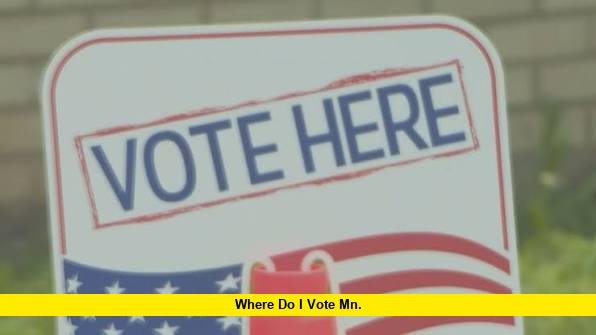

Minnesotans across the state are heading to the polls on Tuesday, August 11, 2026, for the state primary election, and many voters are searching where do i vote MN to make sure they cast their ballot at the correct location. With competitive primary races for governor, U.S. Senate, and several congressional and legislative seats on the ballot, election officials are urging residents to confirm their polling place before heading out. This guide walks through exactly how to find your assigned polling location, what to expect once you arrive, and the rules that apply to Minnesota’s primary system.
When and Where Minnesota Voters Cast Their Ballots
Polls opened at 7 a.m. and will remain open until 8 p.m. Central Time on August 11. Anyone who is in line by 8 p.m. has the legal right to vote, even if the line extends past closing time. Early and absentee voting had already been underway since June 26, giving voters several weeks to cast a ballot ahead of Election Day.
For those voting in person on Election Day, the most reliable way to answer the where do i vote MN question is to use the Minnesota Secretary of State’s official Polling Place Finder, available through the state’s voting information portal. Voters simply enter their home address, and the tool returns the exact polling location assigned to that address, along with the hours it will be open. Because precinct boundaries and polling sites can change between election cycles, even voters who cast ballots at the same location in past years are encouraged to double-check before this primary.
Election officials assign polling places based on home address rather than personal preference, so a voter cannot choose to vote at a different site simply for convenience. Anyone who has moved recently, even within the same city or county, should verify their new polling location rather than assuming it matches a previous address.
How Minnesota’s Primary Election Works
Minnesota holds a party-primary system, which means voters do not register with a political party in advance, but they must choose a single party’s ballot once inside the voting booth. Each party appears in a separate column, and a voter who marks candidates from more than one party’s column will have that portion of the ballot invalidated. This differs from the November general election, where voters may choose freely among candidates from any party for each office.
Partisan contests, including races for governor, lieutenant governor, U.S. Senate, and U.S. House, typically appear on the front of the ballot. Nonpartisan contests, such as many county, city, township, and school board races, generally appear on the back, and voters may select their preferred candidate in those races regardless of party. The candidates who receive the most votes in each party’s primary, or the top nonpartisan finishers, advance to the November 3, 2026, general election.
This year’s primary has drawn heightened interest because Minnesota has not had an open governor’s race since 2018. The Democratic-Farmer-Labor field is led by Amy Klobuchar, while the Republican primary features a competitive slate of candidates. Contests for attorney general, secretary of state, and state auditor are also on the ballot, along with numerous state legislative and local races that vary significantly by district.
Registering and Voting on Election Day
Minnesota offers same-day voter registration, so residents who are not yet registered can still vote on August 11. To register at the polls, a voter needs to bring proof of residence, such as a valid Minnesota driver’s license or state ID with a current address, or another accepted document like a utility bill, bank statement, or lease agreement dated within the last month. Most Minnesotans are already registered automatically when they obtain a state-issued ID, but confirming registration status in advance can help avoid delays at the polling place.
Identification is generally not required for voters who are already registered at their current address, though election judges may ask for verification in limited circumstances. To be eligible to vote, a person must be at least 18 years old on Election Day, a U.S. citizen, a Minnesota resident for at least 20 days, and not currently disqualified due to a felony conviction or an active court order revoking voting rights.
Voters who requested an absentee ballot but still have it at home should return it to their local election office rather than mailing it at this point, since mailed ballots may not arrive in time to be counted. Many counties also offer ballot drop boxes for this purpose. Minnesota’s online ballot tracking tool allows voters to confirm that a mailed or dropped-off ballot has been received and accepted.
What Voters Can Expect at the Polls
Polling places in Minnesota are required to be physically accessible, and voters who need assistance due to a disability can request accommodations from election judges on-site. Lines may be longer at certain times of day, particularly during the morning rush before work and again in the early evening, so voters aiming to avoid a wait may want to plan around those windows.
Election judges at each site can help voters who are unsure which party ballot to request or who have questions about registration status. Voters who run into problems, such as being told they are not on the rolls despite believing they registered, have the right to cast a provisional or challenged ballot that will be reviewed later, and should not be turned away without an explanation. Nonpartisan hotlines are also available on Election Day for voters who encounter difficulties or believe their rights are being denied.
Latest Updates on Election Day Turnout
As of Tuesday morning, Secretary of State Steve Simon and other election officials shared voting information ahead of polls opening, emphasizing that this year’s primary is attracting unusually strong attention because of the crowded governor’s race and a closely watched U.S. Senate contest. Local television stations and news outlets across the state began live primary election coverage shortly before midday, tracking turnout and early results as they come in.
Vote totals reported on election night are unofficial. Under Minnesota law, results for state and federal offices remain unofficial until the State Canvassing Board meets on August 18, 2026, to formally certify them. County canvassing boards complete a similar certification process for local races. This means that while primary night will offer a strong indication of which candidates are advancing, especially in races that are not close, official, certified results will not be finalized for about a week after Election Day.
Voters should also be aware that in past elections, technical issues have occasionally affected the state’s online polling place tools during high-traffic periods. If the Polling Place Finder is temporarily unavailable, voters can contact their county auditor’s office or city clerk directly to confirm their assigned location rather than relying on unofficial or third-party websites.
Final Thoughts
For anyone still asking where do i vote MN on primary day, the fastest and most reliable answer comes from the Minnesota Secretary of State’s official Polling Place Finder, paired with a valid form of proof of residence if registration needs to be completed at the polls. With polls open until 8 p.m. and same-day registration available, Minnesota has built several safeguards to make sure eligible residents can participate, even those who have not yet registered or recently moved.
Given the competitive nature of this year’s races for governor, U.S. Senate, and other statewide offices, turnout is expected to be closely watched throughout the day. Voters who plan ahead by confirming their polling place, choosing which party’s ballot they intend to request, and understanding the identification and registration rules can expect a smoother experience once they arrive.
Have you found your polling place yet? Share your experience and check back for updates as results come in throughout the evening.