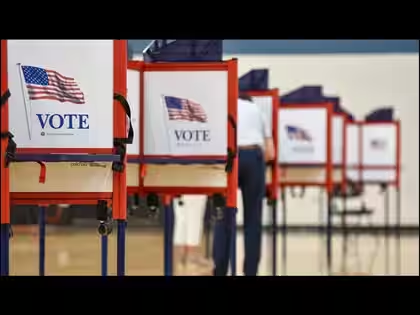

What voting is going on right now is a major search for Americans following the 2026 elections, as Tuesday, November 3, 2026, is the scheduled U.S. general Election Day. Voters across the country are choosing candidates for federal, state and local offices, while many communities are also deciding ballot measures that could influence taxes, education, voting rules, public spending and other policy issues.
The 2026 midterm elections are particularly significant because voters are deciding the makeup of Congress and numerous state legislatures. Depending on where they live, voters may also see gubernatorial contests, local government races, judicial elections and proposed constitutional amendments on their ballots. The specific choices, polling hours and voting methods vary by state and locality.
For anyone searching for current voting information, the most important distinction is that Election Day is a nationwide date, but the ballot is different in each state and county. Checking the official election office for your location is the most reliable way to confirm which races are on the ballot and how to cast a vote.
What Elections Are Taking Place Across the United States Today?
The November 3 general election brings several types of contests to voters. Although the midterm elections receive the most national attention, the ballot also includes decisions that directly affect state and local government.
Congressional elections
The 2026 midterm elections include contests for the U.S. House of Representatives and a portion of the U.S. Senate. Every House seat is scheduled for election every two years, while Senate elections are staggered because senators serve six-year terms.
The results will determine the balance of power in Congress for the next legislative session. Control of the House and Senate can influence legislation, federal spending, government oversight and the confirmation of certain presidential nominees.
State governor and legislative elections
Voters in states holding gubernatorial elections may choose their next governor. Other states are electing state senators, state representatives and additional statewide officials.
According to the National Conference of State Legislatures, legislative elections are scheduled in 46 states on November 3, with thousands of state legislative seats at stake. These races matter because state lawmakers make decisions about education funding, transportation, public safety, taxation and other services.
Local elections and judicial contests
Some ballots also include city council members, county officials, mayors, judges and other local positions. These races can have a direct effect on residents’ daily lives, including housing policy, local development, public services and community budgets.
The availability of these contests depends on the jurisdiction. Not every voter will see the same offices or candidates, and some communities may have additional local elections scheduled separately.
What Ballot Measures Are Voters Deciding Right Now?
Another important part of the current voting cycle is the opportunity to vote directly on proposed laws and constitutional changes.
A ballot measure allows eligible voters to approve or reject a specific proposal rather than choosing a candidate. Depending on state law, these measures may originate with state legislatures, citizen-led initiatives or constitutional amendment procedures.
Issues appearing on 2026 ballots include several broad policy categories.
- Taxes and public spending: Proposals involving property taxes, tax exemptions, government revenue, public budgets and spending priorities.
- Voting rules: Measures addressing voter eligibility, election administration, identification requirements and the process for placing initiatives on ballots.
- Education and public policy: Proposals affecting schools, student activities, public programs and other state policy matters.
- Constitutional rights: Measures addressing questions of individual rights and state constitutional protections.
- Housing and development: Local proposals concerning land use, construction, housing policy and community growth.
These categories do not apply uniformly across the country. A measure appearing on one state’s ballot may have no equivalent in another state.
Voters should read the actual ballot language and any official explanatory materials before making a decision. The title of a proposal may not communicate every legal or financial consequence, so understanding what a measure would change is essential.
Why the 2026 Midterm Elections Matter
Midterm elections are held halfway through a president’s four-year term. Unlike presidential elections, the 2026 contests do not include a regularly scheduled vote for president. Instead, voters are selecting members of Congress and deciding numerous state and local races.
The results can influence the direction of government for the remainder of the presidential term and beyond.
Congressional control is a major factor. The party holding a majority in either chamber has significant influence over legislative priorities, committee leadership and the consideration of proposed laws. However, passing legislation can require cooperation across parties and must follow constitutional and procedural requirements.
State governments also have substantial authority. State legislatures determine many policies affecting residents, while governors oversee executive functions and may sign or veto legislation according to state law. Changes in state government can therefore influence public services and policy even when federal political control remains unchanged.
Ballot measures can produce direct policy changes. When voters approve a measure, its implementation depends on the proposal’s terms, applicable law and any legal or administrative requirements. Some measures take effect on a specified date, while others may require additional steps.
These factors help explain why searches for what voting is going on right now increase around Election Day. People want to understand not only which candidates are running, but also what decisions are being made and how those decisions could affect them.
Latest Voting Updates for November 3, 2026
The latest confirmed national information identifies November 3 as the scheduled general Election Day. State election authorities have published their own calendars, polling arrangements and ballot information.
However, the existence of an Election Day does not mean that every polling location is open at the same hour. Polling hours, voting methods, registration rules and ballot-return deadlines are determined by the applicable state and local election authorities.
It is also important to distinguish between an election being scheduled, voting being underway in a particular location and results being officially certified.
Election results are not automatically final when polls close. Election officials must process and count eligible ballots according to the law. Mail ballots, provisional ballots and ballots from military and overseas voters may require additional processing. Close contests may also involve recounts, reviews or other procedures allowed under state law.
Media organizations may project winners based on available information, but a projection is not the same as an official certification by election authorities.
At the beginning of Election Day, a complete nationwide outcome should not be assumed without verified results. Any developing claims about winners, turnout records or changes in political control need to be evaluated against reliable, current information.
For readers following live election news, the most useful updates include verified information about polling access, reported turnout, ballot counting, race projections and official results as they become available.
How to Find Out What Is on Your Local Ballot
Because election rules differ by jurisdiction, voters should confirm their own ballot rather than relying on a national summary alone.
The most effective approach is to identify the election office responsible for your residential address and use its official information.
Before voting, check the following:
- Your voter registration status and residential address.
- Your assigned polling place or authorized ballot-return location.
- The opening and closing times for your voting location.
- The candidates, ballot measures and local contests appearing on your ballot.
- Any identification requirements that apply in your state.
- The rules for returning a mail ballot or submitting a provisional ballot, if applicable.
An official sample ballot can help voters prepare in advance. It generally identifies the contests and measures that will appear on the actual ballot, making it easier to research candidates and understand proposed changes.
Voters should be cautious about relying on old screenshots, outdated election calendars or social media posts that do not identify an authoritative source. Polling locations can change, and procedures may differ between counties within the same state.
Can You Still Vote on Election Day?
Eligibility and the availability of voting options depend on state law and the voter’s circumstances.
In jurisdictions that offer Election Day in-person voting, eligible voters may be able to cast a ballot at their assigned polling place during its published hours. Some states also allow registration or registration updates on Election Day, while others have earlier deadlines or specific conditions.
Washington, for example, conducts elections primarily through mailed ballots. Its election information identifies November 3, 2026, as the general Election Day and provides for in-person registration through Election Day at designated locations. Other states use different combinations of in-person voting, early voting and mail voting.
If you have already received a mail ballot, follow the instructions supplied by your election office. Do not assume that placing a ballot in the mail on Election Day is permitted under the same rules everywhere. Some states require a postmark by Election Day, others require receipt by a specified deadline, and additional rules may apply to ballot drop boxes.
If you discover a registration problem or arrive at a polling place and encounter an issue, ask an election worker about the procedures available in your jurisdiction. Depending on the circumstances and state law, a provisional ballot or another remedy may be available.
Voting in federal elections is not conducted through ordinary online voting. Official websites can provide registration checks, polling-place information, sample ballots and other services, but voters should follow the authorized method for actually casting their ballot.
How Voting Information and Election Results Are Verified
Reliable election reporting requires separating confirmed facts from early estimates and unverified claims.
The most dependable starting point for voting procedures is the relevant state or local election authority. These offices administer elections, publish official instructions and provide information about counting and certification.
For election results, it is useful to distinguish among three stages.
Early reporting may include turnout figures, initial ballot counts and preliminary results. These figures can change as additional eligible ballots are processed.
Race projections are assessments by news organizations based on available evidence. They can provide an early indication of likely winners, but they do not replace official election procedures.
Official results and certification follow the applicable counting, canvassing, review and certification requirements. The precise timeline varies by state and election.
This distinction matters particularly in close contests. A candidate appearing ahead in an early count is not necessarily the final winner, and an absence of a declared winner does not mean that votes are not being counted.
Election information should also be evaluated carefully when reports conflict. Before sharing a claim about polling closures, voting requirements, candidate victories or ballot problems, check whether the appropriate election office has confirmed it.
What Voting Is Going on Right Now? The Key Takeaway
The central development for November 3, 2026, is the U.S. general election and the nationwide midterm voting cycle. Voters are choosing congressional representatives and participating in state legislative, gubernatorial, local and ballot-measure contests where those elections appear on the ballot.
The exact voting activity depends on the state, county and municipality. Some voters will decide federal races alongside local issues, while others will see a different combination of candidates and proposals. Polling hours and available voting methods also vary.
For anyone looking up what voting is going on right now, the best next step is to check the ballot and election schedule for the specific place where they are registered. This provides more useful information than a general national list because it identifies the actual contests, deadlines and voting arrangements that apply to that voter.
As results begin to emerge, readers should look for confirmed updates and remember that unofficial counts, media projections and certified results are different stages of the election process.
Share your thoughts in the comments, and stay updated as verified 2026 election results and important voting developments become available.