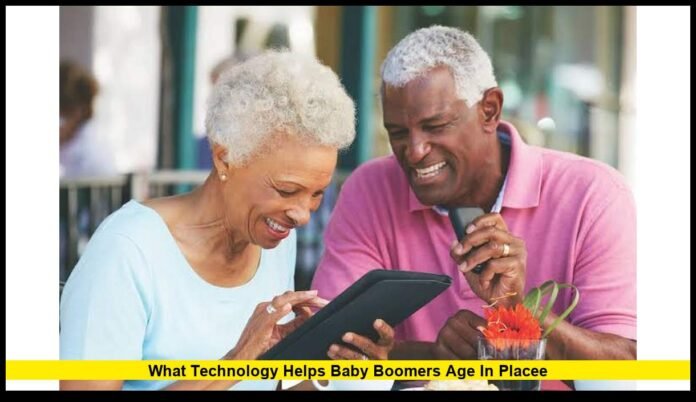

What technology helps baby boomers age in place is becoming an increasingly important question as more older Americans look for practical ways to remain independent at home. Smart-home systems, medical alert devices, wearable technology, connected safety equipment, medication reminders, voice assistants, and telehealth services can help address many everyday challenges associated with living independently.
For many baby boomers, aging in place means staying in a familiar home rather than automatically moving to assisted living or another residential setting. Technology can support that goal by making certain household tasks easier, improving communication, providing emergency assistance, and helping families stay connected.
The technology available today ranges from relatively simple devices to sophisticated systems that use sensors and artificial intelligence. The most useful options depend on an individual’s needs, home environment, comfort with technology, and budget.
Smart-Home Devices Can Make Everyday Tasks Easier
Smart-home technology has become one of the most accessible ways to make a home more convenient for older adults.
Connected devices can allow residents to control household functions through smartphones, tablets, automated schedules, or voice commands. This can reduce the need to repeatedly reach for switches, walk between rooms, or operate complicated controls.
Common smart-home devices include:
- Smart lighting systems
- Connected thermostats
- Smart locks
- Video doorbells
- Motion sensors
- Connected smoke alarms
- Smart plugs
- Automated window coverings
- Home security systems
Smart lighting can be particularly useful around bedrooms, hallways, bathrooms, and entrances. Automated lights can turn on at scheduled times or respond to movement, reducing the need to navigate dark areas.
A smart thermostat can also simplify temperature management. Instead of manually adjusting a traditional thermostat, residents can use an app, voice command, or automatic schedule.
Smart locks offer another practical option. Depending on the system, residents can unlock doors without traditional keys and provide temporary access to family members or caregivers.
Fall Detection Technology Provides an Additional Safety Layer
Falls are one of the most significant safety concerns for older adults living independently. Technology cannot prevent every fall, but specialized devices can provide a way to request help after an accident.
Medical alert systems commonly use wearable pendants, bracelets, watches, or emergency buttons. Some require the user to press a button, while certain systems offer automatic fall detection.
When an emergency alert is activated, the system may connect the user with a monitoring center, emergency services, or designated contacts, depending on the service.
Automatic fall detection can be particularly useful when someone is unable to reach an emergency button after falling. However, these systems are not perfect. Detection performance can vary depending on the device, the type of movement, and the circumstances surrounding an incident.
For this reason, users should understand exactly how their chosen system works rather than assuming every fall will automatically trigger assistance.
Wearable Devices Can Support Health and Activity Monitoring
Smartwatches and other wearable devices have become increasingly common among older adults.
Depending on the model, a wearable can monitor information such as physical activity, heart rate, sleep, movement, or other measurements. Some devices also provide emergency communication features, reminders, and notifications.
For aging adults, the appeal is partly convenience. A wearable device can remain with the user throughout much of the day rather than being attached to a particular room in the house.
Wearables can also help users maintain awareness of their daily activity. Someone who wants to monitor walking or exercise may find the information useful when discussing lifestyle habits with a health professional.
However, consumer wearables should not automatically be treated as medical diagnostic equipment. Measurements can vary by device and circumstance, and health-related concerns still require appropriate professional evaluation.
Medication Reminders Can Help With Daily Routines
Managing multiple medications can become challenging when prescriptions have different schedules.
Technology can provide reminders through smartphones, smart speakers, watches, dedicated medication systems, and electronic pill dispensers.
Some medication-management devices organize doses and provide alerts at scheduled times. Certain connected systems can also send notifications to an authorized caregiver when a scheduled dose has not been handled.
These tools can help establish a predictable routine. They can be especially useful for people who occasionally forget whether they have already taken a scheduled medication.
Medication technology does not replace instructions from a physician or pharmacist. Its primary role is to make the routine easier to follow.
Voice Assistants Can Improve Accessibility
Voice-controlled technology can make digital devices easier to operate for people who find touchscreens, small buttons, or traditional controls difficult to use.
A compatible voice assistant can perform tasks such as setting reminders, controlling lights, adjusting connected thermostats, playing music, checking information, or communicating with other connected devices.
Voice control can also reduce the number of physical steps required for everyday tasks.
For example, someone who has difficulty getting up repeatedly could use a voice command to turn connected lights on or off. A person who frequently forgets appointments could use voice technology to create reminders.
Voice assistants are not designed specifically for older adults, but their hands-free functionality can make them useful in an aging-in-place environment.
Home Sensors Can Monitor Activity Without Constant Cameras
Sensors are another important part of modern home technology.
Motion sensors, door sensors, bed sensors, and other monitoring devices can provide information about activity inside a home. Some systems are designed to recognize changes in normal routines and notify an authorized person when something unusual occurs.
This type of technology can be useful for family members who live elsewhere. Rather than relying exclusively on frequent phone calls, an appropriately configured system may provide additional information about activity within the home.
Privacy is an important consideration. Sensors can sometimes provide useful monitoring without continuously recording video, but users should still understand what information is collected and who can access it.
The system should also be configured around the older adult’s preferences. Monitoring should support independence rather than unnecessarily reducing privacy.
Video Doorbells Can Improve Entryway Safety
A connected doorbell can allow residents to see who is at the door before opening it.
Video doorbells generally combine a camera, doorbell, and smartphone or connected-device notification system. Depending on the product, users may be able to communicate with visitors remotely.
For an older adult living alone, this can reduce the need to immediately approach an unfamiliar visitor.
Video doorbells can also be useful for deliveries and routine visitors. Family members or caregivers may be able to receive notifications when someone arrives, depending on the system and its account settings.
Privacy settings remain important because video devices collect information about people approaching the property.
Smart Lighting Can Address Common Household Hazards
Lighting deserves particular attention when discussing technology for aging at home.
Poor visibility can make it more difficult to navigate hallways, stairs, bathrooms, and other areas. Smart lighting can provide automatic illumination based on schedules, motion, or other settings.
Motion-activated lights can be especially useful at night. Instead of searching for a switch in a dark room, the resident can enter an area and have the light activate automatically.
Smart bulbs can also be controlled remotely through an app or voice assistant.
Technology works best when combined with sensible physical changes. Removing clutter, improving visibility, securing loose rugs, and keeping walking paths clear remain important elements of household safety.
Telehealth Helps Connect Older Adults With Providers
Digital health technology can also support aging in place.
Telehealth services allow eligible patients to communicate with health professionals through video or other approved communication methods. Depending on the medical issue and the service available, a virtual appointment can reduce the need to travel for certain interactions.
This can be useful for older adults who have transportation difficulties or who find frequent trips to medical offices challenging.
Telehealth does not replace every type of medical appointment. Physical examinations, diagnostic procedures, emergency treatment, and other services may require an in-person visit.
Still, digital communication can provide another way for patients to maintain contact with their health care teams.
Artificial Intelligence Is Entering Aging Technology
Artificial intelligence is also becoming part of research into aging and independent living.
AI-based systems can process information from sensors and connected devices and identify patterns in activity. Researchers are studying ways technology can support older adults, including applications related to health monitoring, cognitive health, mobility, and dementia care.
The potential value comes from analyzing changes over time rather than looking at isolated events.
For example, a connected system could potentially identify changes in activity patterns that warrant attention. Such technology remains an area of continuing research, and an automated alert should not be treated as a medical diagnosis.
The role of AI in aging technology is therefore developing alongside broader research into digital health and home monitoring.
Privacy and Cybersecurity Matter When Choosing Devices
More connected devices also mean more information can move through digital systems.
An older adult considering smart-home technology should understand what information a device collects, where that information is stored, and which people or services can access it.
Strong account passwords, available security updates, two-factor authentication, and careful privacy settings can help reduce unnecessary exposure.
Families should also discuss who should receive alerts. Emergency notifications may contain personal information, so access should be limited to trusted people and appropriate services.
The goal should be useful assistance without giving unnecessary access to personal data.
Technology Should Match the Person, Not the Other Way Around
A common mistake is purchasing complicated technology simply because it has many features.
A device can have sophisticated capabilities and still be a poor choice if the person using it finds the interface confusing.
Ease of use should therefore be considered alongside features and price.
Useful questions include:
- Does the device solve a specific problem?
- Is it easy to operate?
- Does it require a reliable internet connection?
- What happens if the power goes out?
- Who receives emergency alerts?
- What information does it collect?
- How much does the service cost over time?
- Can family members or caregivers assist with setup?
- Does the device require regular charging?
- What happens if the device stops working?
Answering these questions before purchasing can prevent unnecessary expenses and frustration.
A Combination of Technologies Can Support Independent Living
There is no single device that can address every challenge associated with aging at home.
One household might benefit primarily from improved lighting and smart-home controls. Another might need a medical alert system and medication reminders. Someone else may place greater value on telehealth access, wearable monitoring, or communication technology.
The technology should reflect the individual’s actual needs.
For example, a basic combination could include smart lighting, a medical alert device, a smartphone, and a connected smoke alarm. A more advanced setup could add motion sensors, smart locks, wearable technology, medication-management equipment, and remote communication tools.
The goal is not to turn a home into a complex technology system. The goal is to remove practical barriers that can make independent living more difficult.
What Technology Helps Baby Boomers Age in Place Most Effectively?
The answer depends heavily on the specific challenge being addressed. Medical alert systems can provide emergency communication. Fall-detection devices can add another layer of protection. Smart-home equipment can simplify everyday tasks, while wearables can provide selected health and activity information.
Voice assistants can make controls more accessible, and medication technology can help organize daily routines. Telehealth can provide another channel for communicating with health professionals, while sensors can support home monitoring.
For baby boomers who want to remain at home, the most useful technology is generally technology that fits naturally into everyday life. Devices should be understandable, reliable, appropriately configured, and selected around real needs.
Aging in place is ultimately about maintaining independence and safety in a familiar environment. Technology can support that objective when it is thoughtfully chosen and combined with practical home-safety measures.
As new aging technologies continue to enter American homes, the most important developments will be those that make independent living safer, simpler, and more accessible.