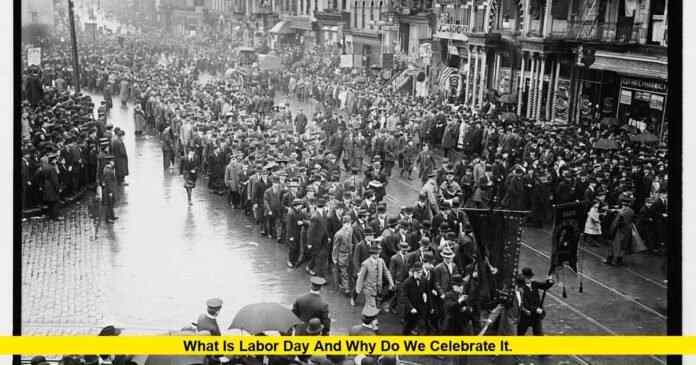

What is labor day and why do we celebrate it remains a common question among Americans as the holiday continues to mark the contributions of workers across the United States. Labor Day is a federal holiday observed on the first Monday of September each year, honoring the American labor movement and recognizing the achievements, rights, and economic impact of workers. The holiday continues to be celebrated nationwide through parades, community events, family gatherings, and public ceremonies.
Labor Day has a long connection to the history of American workers who fought for better wages, safer workplaces, and fair labor conditions. Today, the holiday represents appreciation for employees across industries, including manufacturing, healthcare, education, transportation, technology, public service, and many other fields that support the nation’s economy.
The Origins of Labor Day in the United States
Labor Day began during a period when American workers faced difficult conditions during the late 19th century. The Industrial Revolution created millions of jobs in factories, mines, and other industries, but many employees worked extremely long hours in unsafe environments.
During the 1800s, it was common for industrial workers to spend 10- to 12-hour days at their jobs, often six days a week. Workplace injuries were frequent, and many employees had limited protections or legal rights.
Labor unions became increasingly important during this era as workers organized to demand improved conditions. They pushed for shorter workdays, better pay, safer workplaces, and recognition of workers’ rights.
The first Labor Day celebration took place on September 5, 1882, in New York City. The event was organized by the Central Labor Union and included a parade that brought together thousands of workers. Participants gathered to show unity among labor organizations and highlight the importance of workers’ contributions.
The idea quickly gained support in other parts of the country. More cities began organizing similar celebrations, creating momentum for a national holiday dedicated to workers.
How Labor Day Became a Federal Holiday
Before Labor Day became a federal holiday, several states had already recognized the celebration. Oregon became the first state to officially recognize Labor Day as a holiday in 1887.
As labor movements gained national attention, support grew for creating a nationwide observance. On June 28, 1894, President Grover Cleveland signed legislation making Labor Day a federal holiday.
The law officially designated the first Monday in September as Labor Day. Since then, Americans have celebrated the holiday every year as a tribute to workers and their role in building the country.
The establishment of Labor Day also came during a period of major labor conflicts. In the early 1890s, tensions between workers, companies, and government leaders increased because of disputes over wages and working conditions. The federal recognition of Labor Day helped create a national tradition focused on honoring workers.
What Is the Meaning of Labor Day Today?
For many Americans, Labor Day represents more than a three-day holiday weekend. It serves as a reminder of the progress made by workers and labor organizations throughout U.S. history.
The holiday recognizes the efforts that helped create many workplace protections that employees benefit from today, including:
- Safer workplace standards
- Improved working conditions
- Paid employment protections
- Limits on excessive working hours
- The ability of workers to organize and negotiate
Modern Labor Day celebrations also recognize workers in every profession. From healthcare professionals and teachers to construction workers, farmers, emergency responders, and technology employees, the holiday highlights the role of workers in supporting communities and the economy.
Why Do Americans Celebrate Labor Day?
The main reason Americans celebrate Labor Day is to honor the social and economic achievements of workers. The holiday recognizes the dedication of employees who contribute to the nation’s growth and development.
Workers have played a major role in shaping the United States through innovation, production, public service, and entrepreneurship. Labor Day provides an opportunity to acknowledge these contributions and reflect on the importance of fair employment practices.
Many communities celebrate Labor Day with:
| Celebration | Purpose |
|---|---|
| Labor parades | Recognize workers and labor history |
| Community festivals | Bring families and neighborhoods together |
| Public ceremonies | Honor worker contributions |
| Family gatherings | Enjoy the traditional holiday weekend |
| Local events | Celebrate community achievements |
Although the meaning of Labor Day has evolved over time, its central purpose remains focused on recognizing workers.
The History Behind the Labor Movement
The labor movement played a major role in improving workplace conditions in America. During the late 19th and early 20th centuries, workers organized through unions and advocacy groups to demand reforms.
Some major issues addressed by labor activists included:
- The eight-hour workday
- Child labor restrictions
- Workplace safety regulations
- Fair wages
- Employee protections
Many workplace standards that exist today developed because of these earlier efforts. Labor organizations helped bring attention to challenges faced by workers and influenced changes in employment laws.
The labor movement also contributed to broader discussions about economic fairness and the relationship between businesses, employees, and government policies.
How Labor Day Is Celebrated Across the United States
Labor Day celebrations vary across the country, but many communities continue traditional activities connected to the holiday.
Large cities often hold parades featuring labor groups, local organizations, and community leaders. Smaller towns may host festivals, outdoor gatherings, and public events.
For many families, Labor Day weekend also marks the unofficial end of summer. Americans often use the long weekend for travel, outdoor activities, sports events, and gatherings with friends and relatives.
Retail businesses also frequently hold Labor Day sales, making the holiday one of the major shopping periods in the United States.
Despite these modern traditions, the original purpose of the holiday remains centered on honoring workers and recognizing their achievements.
Labor Day and the American Workforce
The American workforce has changed significantly since the first Labor Day celebration in 1882. Today’s workers are employed across a wide range of industries that were not part of the original industrial economy.
Technology, healthcare, renewable energy, digital services, and advanced manufacturing have transformed the workplace. However, the importance of workers remains a central part of the holiday’s message.
Labor Day continues to highlight the relationship between employees and the nation’s economic success. Every industry depends on skilled workers who provide essential services and create products that support daily life.
Interesting Facts About Labor Day
Here are some important facts about the holiday:
- Labor Day is celebrated on the first Monday of September every year.
- The first Labor Day parade was held in New York City in 1882.
- President Grover Cleveland signed Labor Day into federal law in 1894.
- Labor Day is one of the official federal holidays in the United States.
- The holiday honors workers rather than a specific individual.
- Labor Day celebrations became popular through labor organizations and worker advocacy groups.
Labor Day’s Continuing Importance in America
More than a century after becoming a federal holiday, Labor Day remains an important part of American culture. It provides an opportunity to recognize the workforce that supports businesses, communities, and public services throughout the country.
The holiday also encourages Americans to remember the historical struggles that helped create modern workplace protections. Many rights workers enjoy today developed through years of organizing, advocacy, and public discussion.
As workplaces continue to change, Labor Day remains a reminder that workers are a fundamental part of America’s past, present, and future.
Final Thoughts
Labor Day is a celebration of American workers and the contributions they make every day. Understanding the history behind the holiday helps explain why it remains an important national tradition more than 130 years after it was first recognized.
What are your thoughts on the meaning of Labor Day, and how do you celebrate this important American holiday? Share your views and stay updated with more historical and cultural stories.